

The Blue Agave: A Unique Plant
Tequila is made from the Agave tequilana Weber blue agave. This plant is cultivated almost exclusively for tequila production.
The blue agave is native to the highlands and lowlands of Mexico, primarily in the state of Jalisco, but also in parts of Guanajuato, Michoacán, Nayarit, and Tamaulipas. The climate and volcanic soil in these regions contribute to the agave’s distinctive characteristics. It takes a considerable amount of time – roughly 7 to 10 years – for an agave plant to reach maturity, a patience-testing fact that significantly impacts the cost and availability of quality tequila.
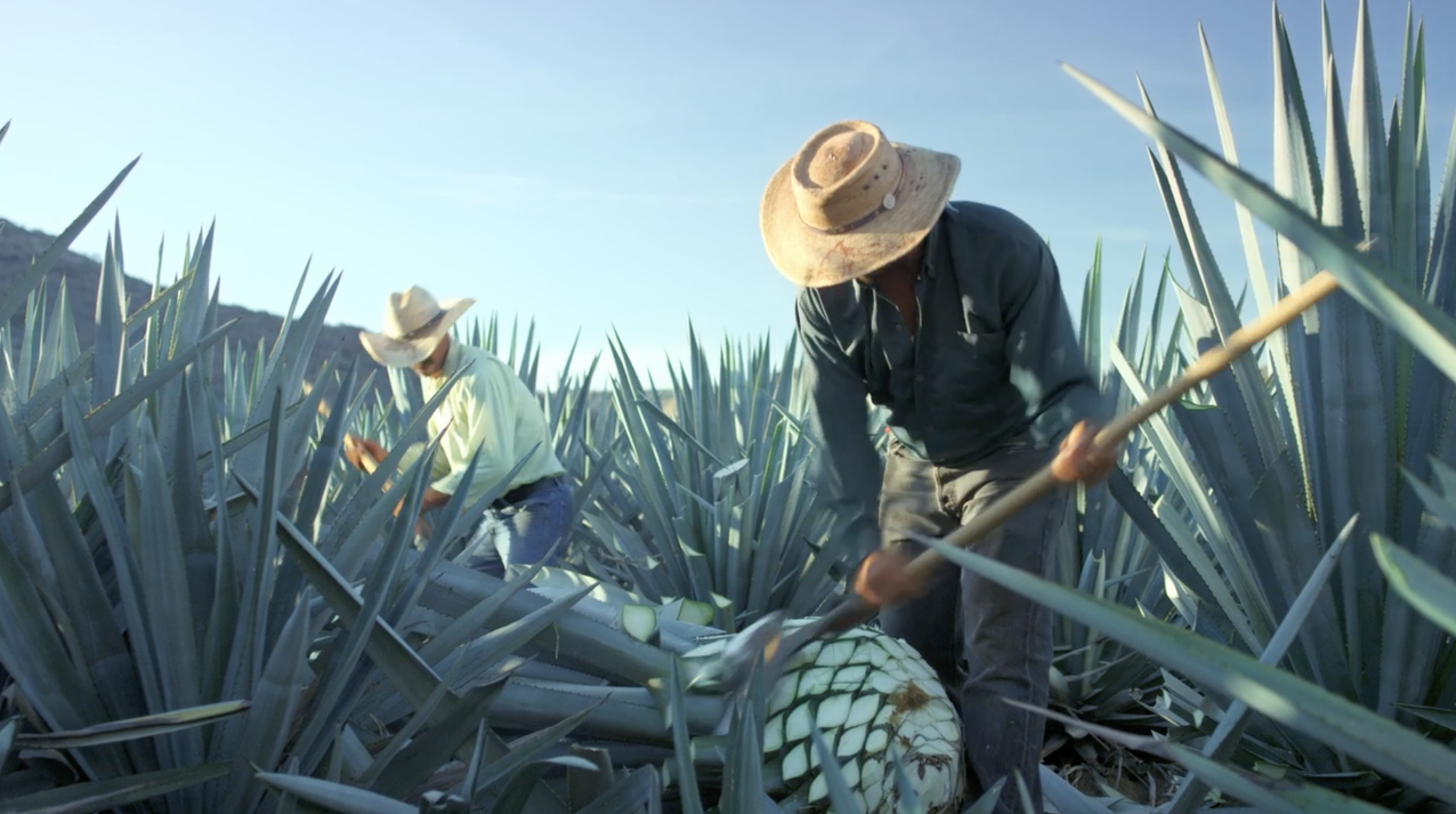
The blue agave stores sugar primarily within its piña, the massive, bulbous core of the plant, resembling a giant pineapple. This is the part harvested for tequila.
The agave grows for years, developing a tall flower stalk (quiote) once in its lifetime. This flowering signals maturity but diverts energy from the piña, so jimadores harvest the agave before it flowers.
While other agaves are used for different purposes (like pulque), the blue agave has a specific combination of sugars and compounds ideal for tequila's flavor profile.
From Piña to Mosto: Harvesting & Cooking
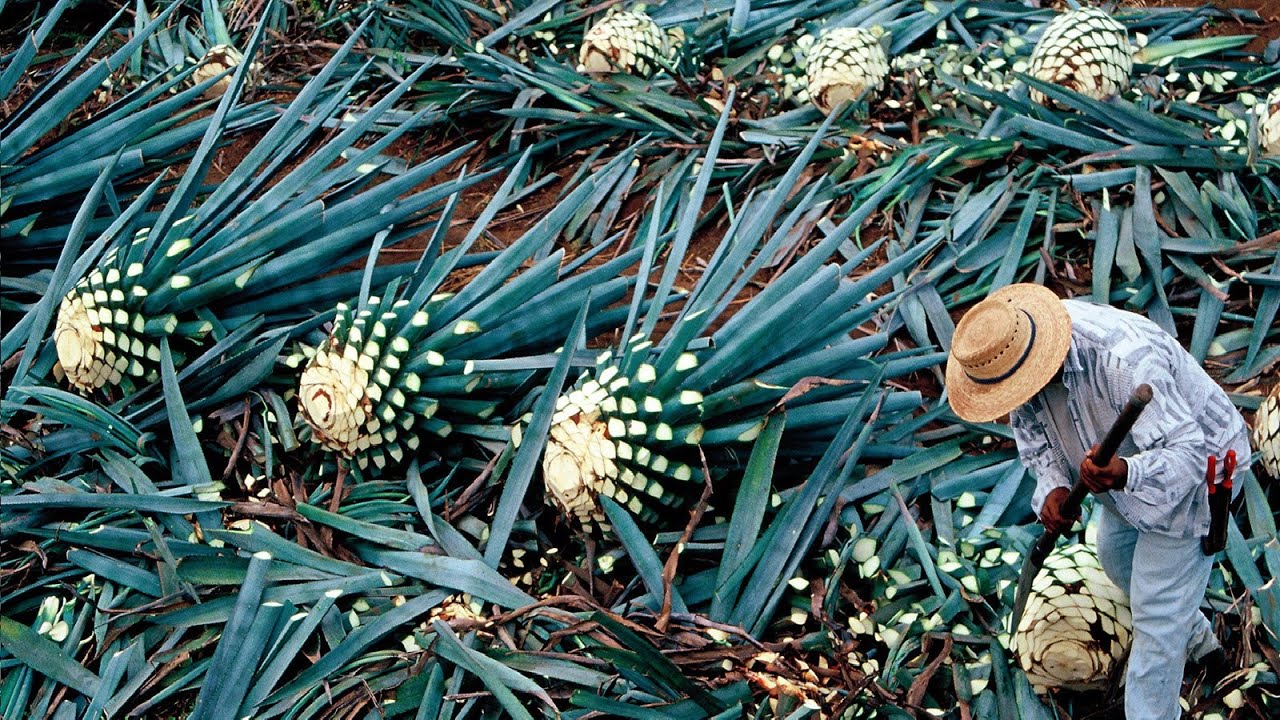
After maturing, the agave undergoes the jima harvesting process. Skilled jimadores use a coa de jima to remove leaves, revealing the piña. They select agaves at peak maturity for the highest sugar content.
Cooked piñas are transported to the distillery. Traditionally, hornos (brick ovens) baked them for 24 to 72 hours, caramelizing sugars. Modern distilleries use faster autoclaves, though some argue they yield less flavor depth.
Cooking converts complex carbohydrates (agavins) in the piña into fermentable sugars, breaking down starches for yeast. The resulting sugary liquid is mosto, the foundation of tequila.
Horno cooking yields tequila with earthy, vegetal, or smoky notes, while autoclave cooking produces a cleaner, brighter profile. This method significantly impacts the tequila’s character.
Fermentation: Yeast's Crucial Role
Fermentation uses yeast to convert sugars in the mosto into alcohol and carbon dioxide, building the tequila's flavor foundations. Different yeasts produce different flavor compounds.
Distilleries use proprietary yeast strains for control and consistency, or native yeasts for more complex, unpredictable results that many producers favor for unique character.
Fermentation lasts several days with controlled temperature. Traditional open-air wooden vats are used, alongside modern stainless steel tanks. Temperature and duration impact flavor compounds; longer fermentations yield more complexity.
Choosing yeast and controlling fermentation temperature and time shape the tequila’s personality.
- Proprietary Yeast: Offers consistency and predictable flavor profiles.
- Native Yeast: Creates more complex and potentially unpredictable flavors.
Traditional vs. Modern Fermentation in Tequila Production
| Yeast Type | Control Level | Flavor Profile Impact | Production Speed | Cost |
|---|---|---|---|---|
| Wild/Ambient Yeast | Low | Complex, variable, often fruity or floral notes. Highly dependent on the agave and environment. | Slow, typically several days to a week or more. | Potentially lower initial cost, but risk of failed batches can increase overall expense. |
| Cultured/Commercial Yeast | High | More predictable, cleaner flavor profile. Can be selected to emphasize specific characteristics. | Faster, typically 24-72 hours. | Higher upfront cost for yeast, but greater consistency reduces batch failures. |
| Traditional (Open Air) | Limited | Greater influence from environmental microbes, leading to unique and potentially unpredictable flavor variations. | Slow, reliant on natural conditions. | Labor intensive, requiring careful monitoring. |
| Modern (Controlled Environment) | Precise | Consistent results, minimizing unwanted flavors. Allows for targeted flavor development. | Faster and more reliable due to temperature and environment control. | Higher investment in equipment and monitoring systems. |
| Native Agave Yeasts | Moderate | Contributes to terroir-driven flavors; can be highly specific to the agave plant's origin. | Variable, depending on agave quality and environmental factors. | Requires expertise in identifying and maintaining native yeast strains. |
| Proprietary Yeast Blends | Very High | Designed to create specific flavor profiles and enhance desired characteristics in the final tequila. | Fast and predictable. | Can be expensive, depending on the complexity of the blend. |
Illustrative comparison based on the article research brief. Verify current pricing, limits, and product details in the official docs before relying on it.
Distillation: Refining the Spirit
Distillation concentrates alcohol from fermented mosto and refines flavors. Tequila is typically distilled twice, using copper pot stills or more efficient column stills.
Copper pot stills retain more agave flavor for complexity but are less efficient. Column stills are more efficient, producing a cleaner, neutral spirit often used for Blanco tequilas.
The maestro tequilero (master distiller) makes "cuts’ during distillation, separating the ‘heads’ (undesirable compounds), ‘hearts’ (desired flavor and alcohol), and ‘tails" (heavier compounds).
The maestro tequilero's skill in making these cuts, based on experience and intuition, dramatically affects the tequila’s final ABV and flavor profile.
Aging & Maturation: Time's Influence
After distillation, tequila is categorized by aging: Blanco (unaged), Reposado (2-12 months in oak), Añejo (1-3 years), and Extra Añejo (over 3 years). Aging imparts color, flavor, and complexity.
American oak barrels (often ex-bourbon) impart vanilla, caramel, and coconut notes. French oak barrels contribute subtler spice and dried fruit flavors. Some producers experiment with other woods like chestnut or maple.
Warmer climates and humidity levels accelerate aging and wood interaction. Highland Jalisco aging differs from lowland conditions.
Aging transforms tequila through chemical reactions within the barrel, imparting flavors, tannins, and compounds that affect structure and mouthfeel.
The CRT regulates aging, setting guidelines for barrel types and minimum aging periods for each category to ensure product standards.
Blending & Filtration: The Final Touches
Before bottling, tequila may be blended to achieve a consistent flavor profile, especially for large-scale production. Master distillers combine batches to maintain brand taste.
Filtration removes impurities but can strip flavors. Some producers minimize or avoid it to preserve agave character, a point of industry debate.
CRT regulations state 100% agave tequila cannot have additives other than water. Mixto tequila can contain up to 49% non-agave sugars and additives, a crucial distinction for consumers.
These final steps refine tequila for consistency, ensuring each bottle delivers the expected quality and flavor.
Beyond Blue: Other Agave Varieties?
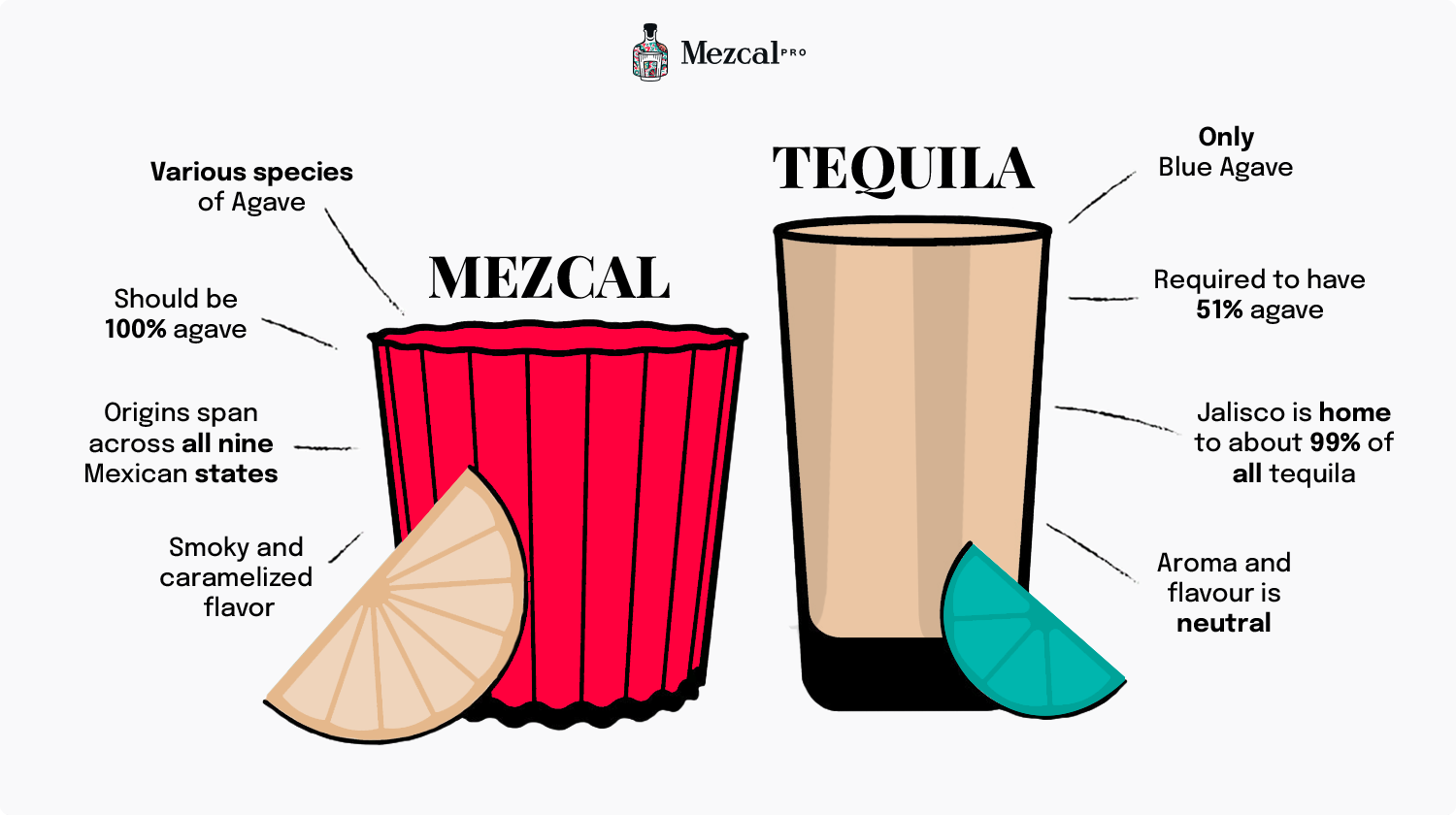
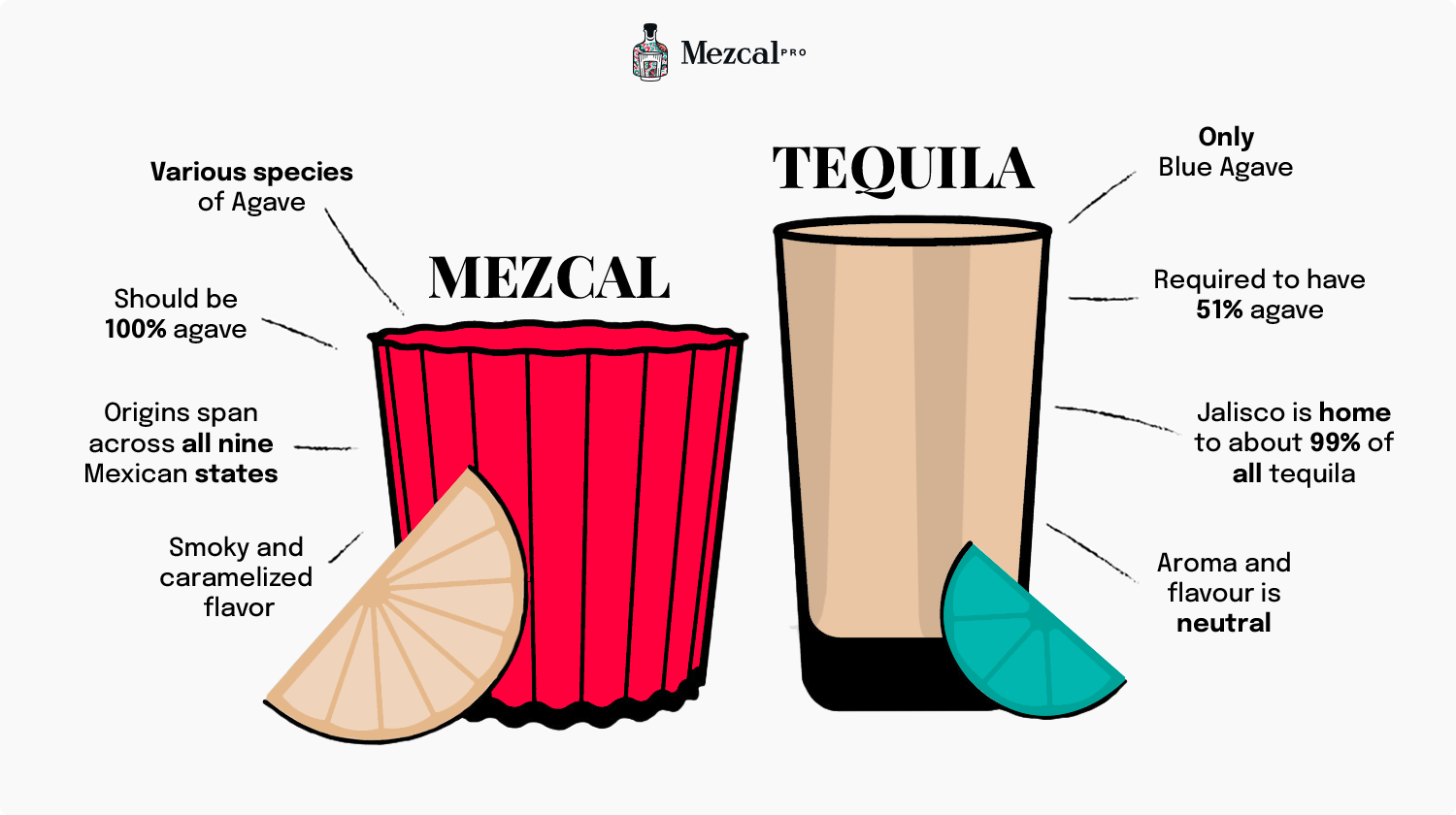
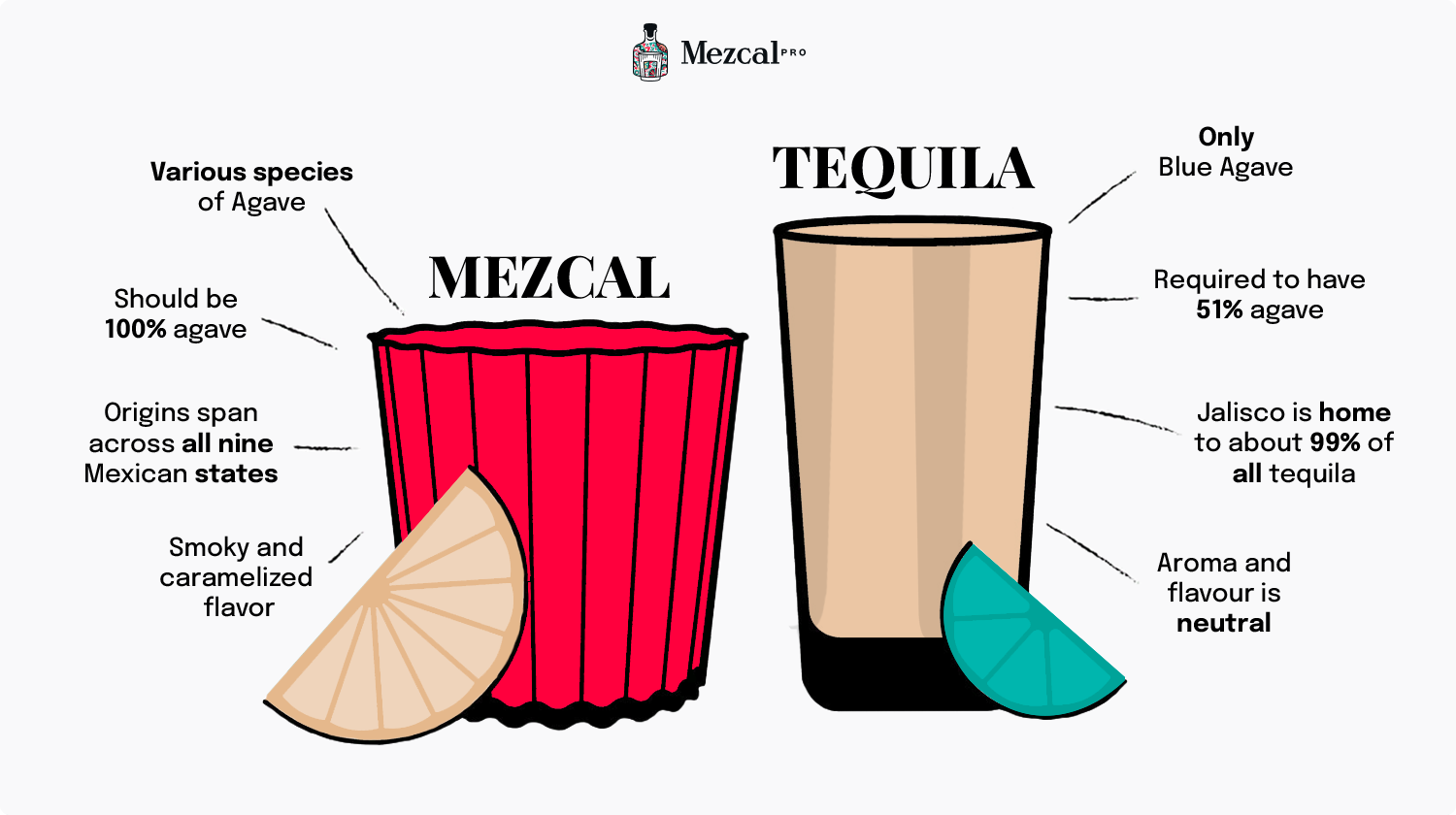
undefined for example, is made from a wide range of agave species, each contributing unique flavors and aromas.
Some producers are experimenting with different agaves, but these spirits cannot be legally labeled as "tequila.’ They may be marketed as ‘agave spirits’ or with a specific agave variety name. The potential for diversification is there, but it"s limited by the legal definition of tequila.
I’m not sure what the future holds in this regard. The strict regulations surrounding tequila protect its authenticity and quality, but they also limit innovation. It’s a complex issue with potential benefits and drawbacks. Whether we'll see more agave varieties used in tequila-like spirits remains to be seen.
Beyond Blue: Other Agave Varieties
- Agave Americana (Century Plant) - While not used in tequila production, this agave is historically significant and can be used to create a potent, often floral-leaning spirit. It requires a very long maturation period – hence the name.
- Agave Espadín - The most commonly cultivated agave for mezcal, Espadín offers a grassy, vegetal flavor profile with hints of minerality. It's relatively fast-growing compared to other varieties.
- Agave Tobalá - A smaller, wild agave prized for its complex flavors. Tobalá produces a spirit with notes of cooked agave, floral aromas, and a subtle smokiness. It's a slower-growing species, making it rarer and more expensive.
- Agave Potatorum - Also known as Papalometl, this agave yields a spirit with a sweet, herbaceous character, often displaying notes of green fruit and a smooth finish. It's used in some mezcals.
- Agave Salmiana - This large agave is used in both mezcal and pulque production. It offers a robust, earthy flavor profile with hints of citrus and a slightly bitter finish.
- Agave Arroqueño - A wild agave species, Arroqueño takes a long time to mature (10-15 years or more). It produces a spirit with a strong agave flavor, often described as having notes of pepper and earth.
- Agave Cupreata - Commonly used in mezcal, Cupreata offers a distinctive flavor profile characterized by its vegetal notes, hints of roasted agave, and a slightly metallic finish.
The CRT and Tequila Regulation
The Consejo Regulador del Tequila (CRT) is the governing body responsible for regulating tequila production and ensuring its quality. Established in 1994, the CRT sets standards for every stage of the process, from agave cultivation to bottling. Their primary goal is to protect the integrity of tequila and ensure that consumers are getting an authentic product.
A key component of the CRT’s regulatory system is the NOM (Norma Oficial Mexicana). Each tequila distillery is assigned a unique NOM number, which identifies its production facility. This number must appear on every bottle of authentic tequila. The NOM system provides traceability and accountability.
The CRT also enforces the distinction between 100% agave tequila and mixto tequila. 100% agave tequila is made entirely from blue agave sugars, while mixto tequila can contain up to 49% non-agave sugars. The label must clearly indicate which type of tequila it is. This is a critical factor for consumers, as 100% agave tequila is generally considered to be of higher quality.
The CRT is also actively addressing issues like agave poaching and sustainability. Agave poaching is a serious problem, as it threatens the long-term supply of this essential plant. The CRT is working with local communities and law enforcement to combat this illegal activity. They are also promoting sustainable agave farming practices to ensure the future of tequila production.
No comments yet. Be the first to share your thoughts!