

What the budget buys
The gap between mezcal and tequila pricing reflects their production methods, not just brand prestige. Tequila benefits from industrial-scale efficiency, while mezcal remains largely artisanal. Understanding these cost drivers helps you decide where your money goes when building a collection.
Tequila price tiers
Entry-level blanco tequila typically ranges from $25 to $40. These bottles offer clean agave flavor without the complexity of aged spirits. Mid-range reposado and añejo bottles sit between $40 and $80, offering oak influence from barrel aging. Premium bottles exceeding $100 often feature rare agave varieties or small-batch production methods.
Mezcal price tiers
Mezcal starts higher, with basic bottles costing $30 to $50. The labor-intensive process of roasting agave in earthen pits drives up costs. Artisanal mezcals range from $50 to $100, reflecting hand-harvested agave and traditional clay pot distillation. Ultra-premium bottles can exceed $200, often featuring rare agave species like tepeztate or madrecuixe.
Age and condition tradeoffs
Older spirits command higher prices due to evaporation losses during aging. A 10-year añejo tequila may cost twice as much as a 2-year version, but the flavor difference isn't always proportional to the price jump. Condition matters too—properly stored bottles maintain value better than those exposed to heat or light.
Market context
The tequila and mezcal market reached $8.67 billion in 2025, growing at 10.25% annually. This growth reflects increasing consumer interest in premium spirits. However, tequila is entering a maturity phase where growth has slowed and agave economics have shifted dramatically.
Models worth checking first
When building a portfolio around agave spirits, the choice between tequila and mezcal often comes down to a single structural difference: production scale and regulatory standardization. Tequila operates under a rigid Denomination of Origin (DO) that mandates the use of Blue Weber agave and specific distillation methods, creating a consistent, predictable product. Mezcal, while also protected by a DO, allows for a wider variety of agave species and traditional pit-roasting methods, resulting in a product that varies significantly by producer and region.
This distinction matters for investors and collectors because it affects liquidity and valuation stability. Tequila’s standardized profile makes it easier to benchmark quality and price, similar to how investors might compare large-cap stocks with clear earnings reports. Mezcal’s variability introduces a higher degree of idiosyncratic risk, but also potential for outsized returns on rare, artisanal bottles that defy standard categorization.
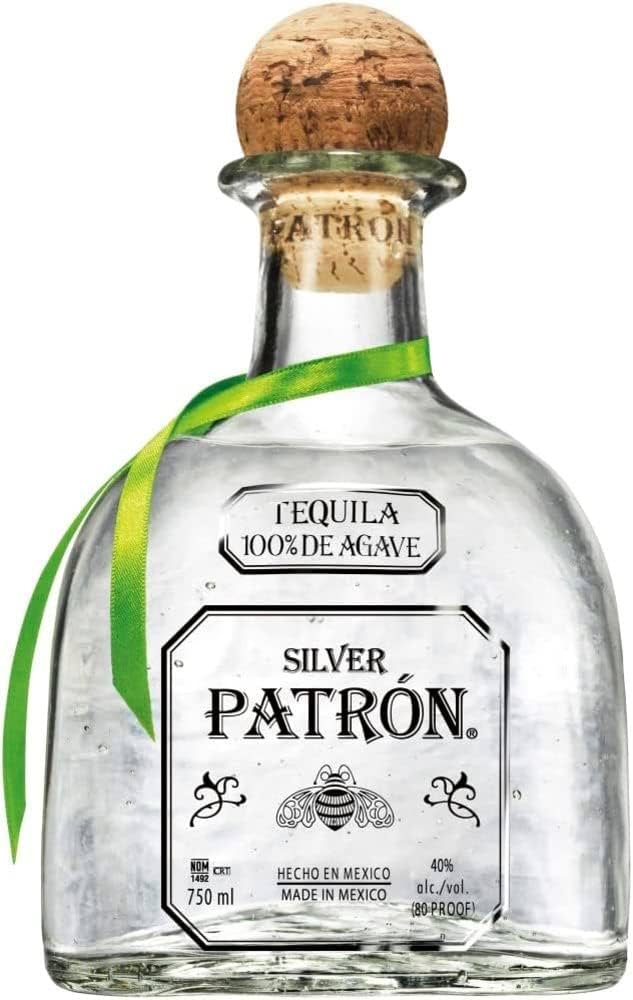
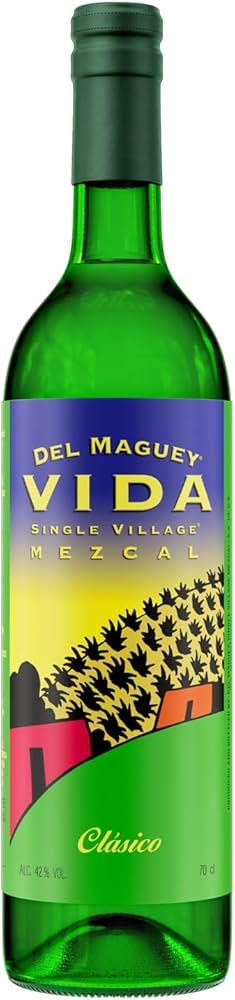
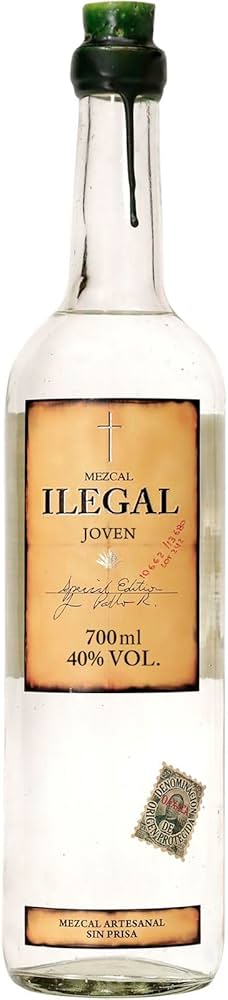
To navigate this landscape, it is helpful to look at specific models that represent each category’s strengths. The following comparison highlights key differences in production, aging, and market positioning for leading options in 2026.
| Category | Tequila (Premium) | Mezcal (Artisanal) | Investment Implication |
|---|---|---|---|
| Primary Agave | Blue Weber (100%) | Espadín, Tobalá, Tepeztate | Tequila offers consistency; Mezcal offers rarity-driven value. |
| Production Method | Industrial or semi-industrial ovens | Earthen pit roasting | Pit-roasting adds labor cost and flavor complexity, supporting higher margins. |
| Aging Categories | Blanco, Reposado, Añejo, Extra Añejo | Joven, Reposado, Añejo | Tequila’s aging tiers create a clearer secondary market structure. |
| Market Maturity | High volume, global dominance | Niche, growing rapidly | Tequila provides stability; Mezcal offers growth potential. |

As an Amazon Associate, we may earn from qualifying purchases.
The data suggests that tequila remains the safer entry point for those seeking stable, liquid assets with predictable valuation metrics. Brands like Patrón and Clase Azul have established themselves as blue-chip options within the spirits market, benefiting from decades of brand building and distribution networks. Their aging categories provide clear benchmarks for quality, making it easier to assess value over time.
Mezcal, represented by producers like Del Maguey and Ilegal, offers a different proposition. These brands have successfully bridged the gap between artisanal tradition and modern luxury, creating products that command premium prices. The single-village sourcing model used by Del Maguey, for instance, adds a layer of provenance that appeals to collectors, potentially driving higher long-term value for rare vintages. However, this comes with the trade-off of lower liquidity and higher sensitivity to production variations.
For a balanced portfolio, consider allocating a larger portion to established tequila brands for stability, while reserving a smaller segment for high-potential mezcal producers. This approach allows you to benefit from the growth of the broader agave spirit market while mitigating the risks associated with mezcal’s inherent variability.
Check before you buy
Before committing capital to agave spirits, you need to verify the physical integrity of the asset. A bottle’s value is tied directly to its provenance and preservation. If the seal is broken or the liquid has degraded, the investment potential vanishes regardless of brand prestige.
Start with the capsule and cork. High-end tequilas and mezcals often use natural corks that can dry out or crumble over time. Inspect the neck for any signs of leakage or sticky residue, which indicates improper storage conditions. A compromised seal allows oxidation, turning a premium spirit into vinegar.
Next, examine the fill level. The "ullage" or headspace should be consistent with the bottle's age. A significant drop in liquid level suggests evaporation through a faulty seal. This is a common failure point in older bottles or those stored in fluctuating temperatures.
Finally, verify the batch and certification. Ensure the NOM (Norma Oficial Mexicana) number matches the distillery and that the CRT (Consejo Regulador del Tequila) or CRT-equivalent seal is present and unbroken. These marks are your primary proof of authenticity and origin.
As an Amazon Associate, we may earn from qualifying purchases.
Ownership costs that change the math
Buying a bottle of mezcal or tequila is just the entry fee. The real cost comes from how you store it, how quickly you drink it, and whether the bottle retains its value once opened. Unlike wine, which can improve in the cellar, agave spirits are static. Once you break the seal, oxidation begins, and the flavor profile starts a slow decline.
Storage is the first hidden expense. Both spirits require cool, dark places away from direct sunlight. UV light degrades the agave compounds faster than heat alone. If you keep bottles on a counter or in a sunny bar cabinet, you are essentially paying for premature spoilage. A dedicated cabinet or a dark pantry preserves the integrity of the liquid, ensuring that every pour tastes as intended until the bottle is empty.
Then there is the issue of shelf life. Unopened, both tequila and mezcal last indefinitely if stored correctly. Opened, tequila remains good for 1–2 years, while mezcal, with its higher phenolic content from pit-roasting, can sometimes last slightly longer. However, the flavor will dull. This means you cannot buy a cheap bottle to "wait for it to appreciate" and then drink it later without losing the experience. You are buying for immediate consumption, not aging.
This dynamic changes the return on investment. A $50 bottle of high-quality tequila that you finish in three months offers a better per-drink experience than a $20 bottle that sits open for a year and turns flat. The "cheap" option often costs more in wasted liquid and diminished enjoyment. Treat your collection like a library, not a warehouse: rotate stock, store properly, and drink while the spirit is vibrant.
Common questions
Is mezcal a better investment than tequila right now? Tequila is currently in a phase of maturity with slowing growth, while mezcal remains a high-growth niche. Forbes notes that agave economics have shifted dramatically, favoring established tequila brands for stability. Mezcal offers higher volatility and potential upside but carries more operational risk due to smaller production scales.
How does the market size affect returns? The combined tequila and mezcal market is projected to reach $12.1 billion by 2026, growing at a 6.7% CAGR. Tequila drives the bulk of this volume, offering deeper liquidity for large positions. Mezcal’s smaller share means fewer publicly traded pure-play options, often requiring exposure through broader spirits conglomerates.
Should I focus on premium or standard bottles? Premiumization is the dominant trend. Consumers are trading up, making premium and ultra-premium segments more resilient to economic downturns. Standard bottles face margin pressure. For an investment portfolio, exposure to brands with strong premium pipelines offers better long-term margin protection than those reliant on value-tier sales.
What are the main risks for 2026? Agave shortages and price volatility remain the primary threats. Both spirits rely on the same core crop, making them susceptible to climate and supply chain shocks. Additionally, regulatory changes in Mexico regarding labeling and production standards could impact production costs and supply consistency for smaller producers.
No comments yet. Be the first to share your thoughts!