

The Blue Agave: Mexico’s Gift
Tequila comes from the Weber Blue Agave, a succulent grown for centuries in Mexico, especially Jalisco. This plant takes seven to ten years to mature before it can be used for the spirit.
The Weber Blue Agave has thick, spiky leaves and is often mistaken for a cactus, though it's related to onions and asparagus. Only its core, the piña, is used for tequila. This slow growth cycle requires patience and careful cultivation.
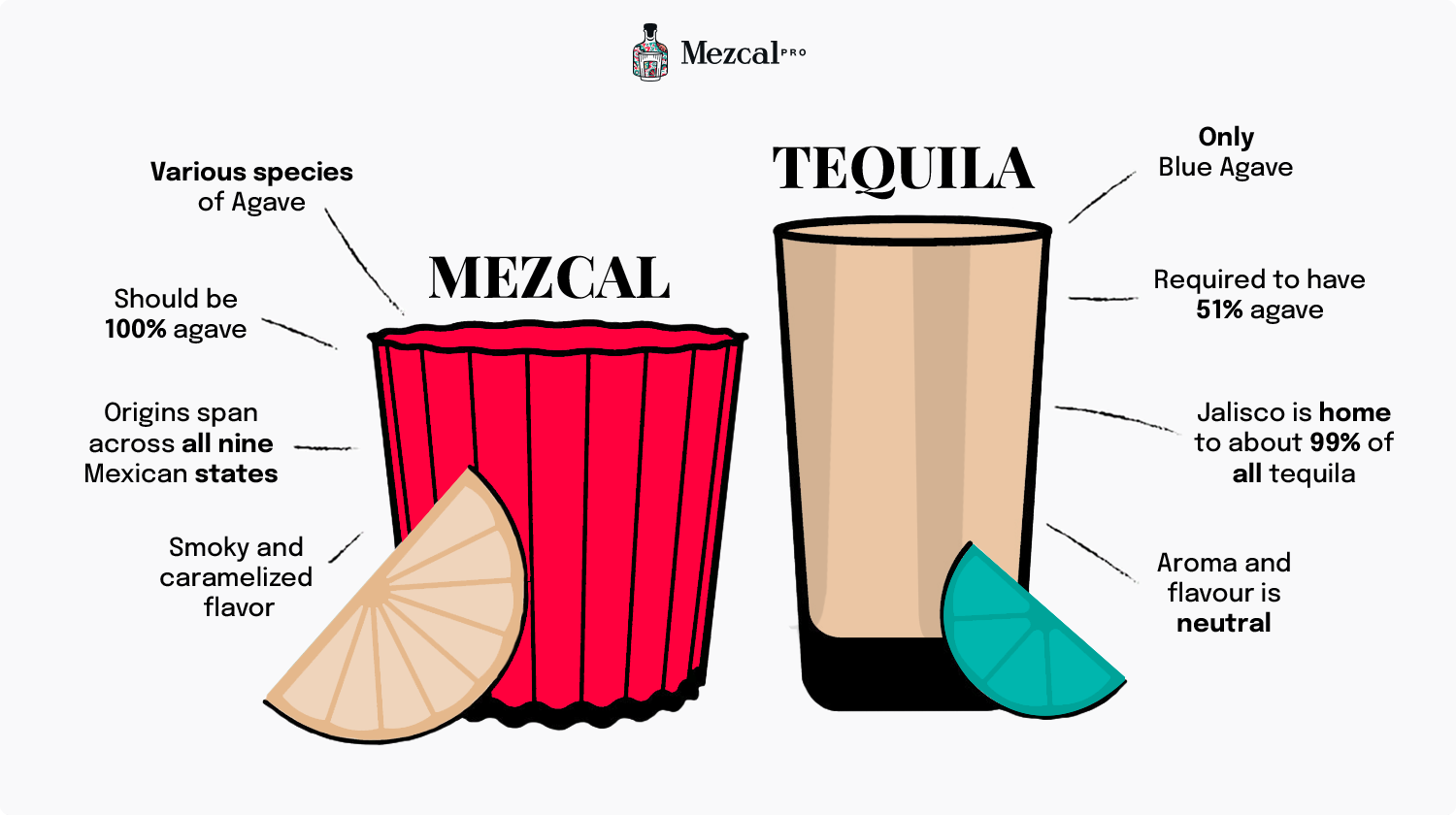
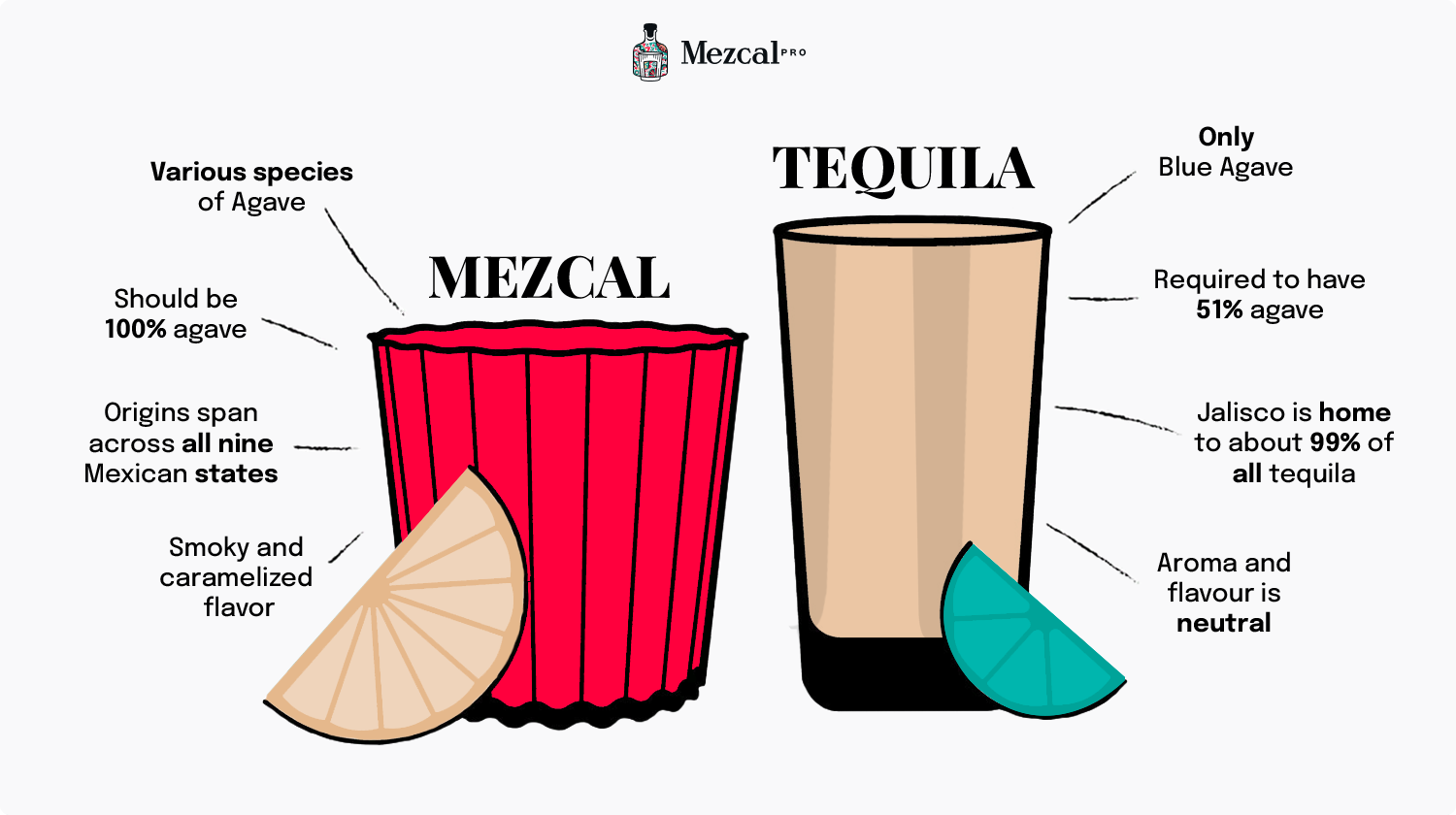
Only Weber Blue Agave can be used for tequila, as mandated by Denomination of Origin (DOT) regulations. This exclusivity distinguishes true tequila from other agave spirits and directly impacts its distinctive flavor profile.
From Field to Bottle: Tequila Production
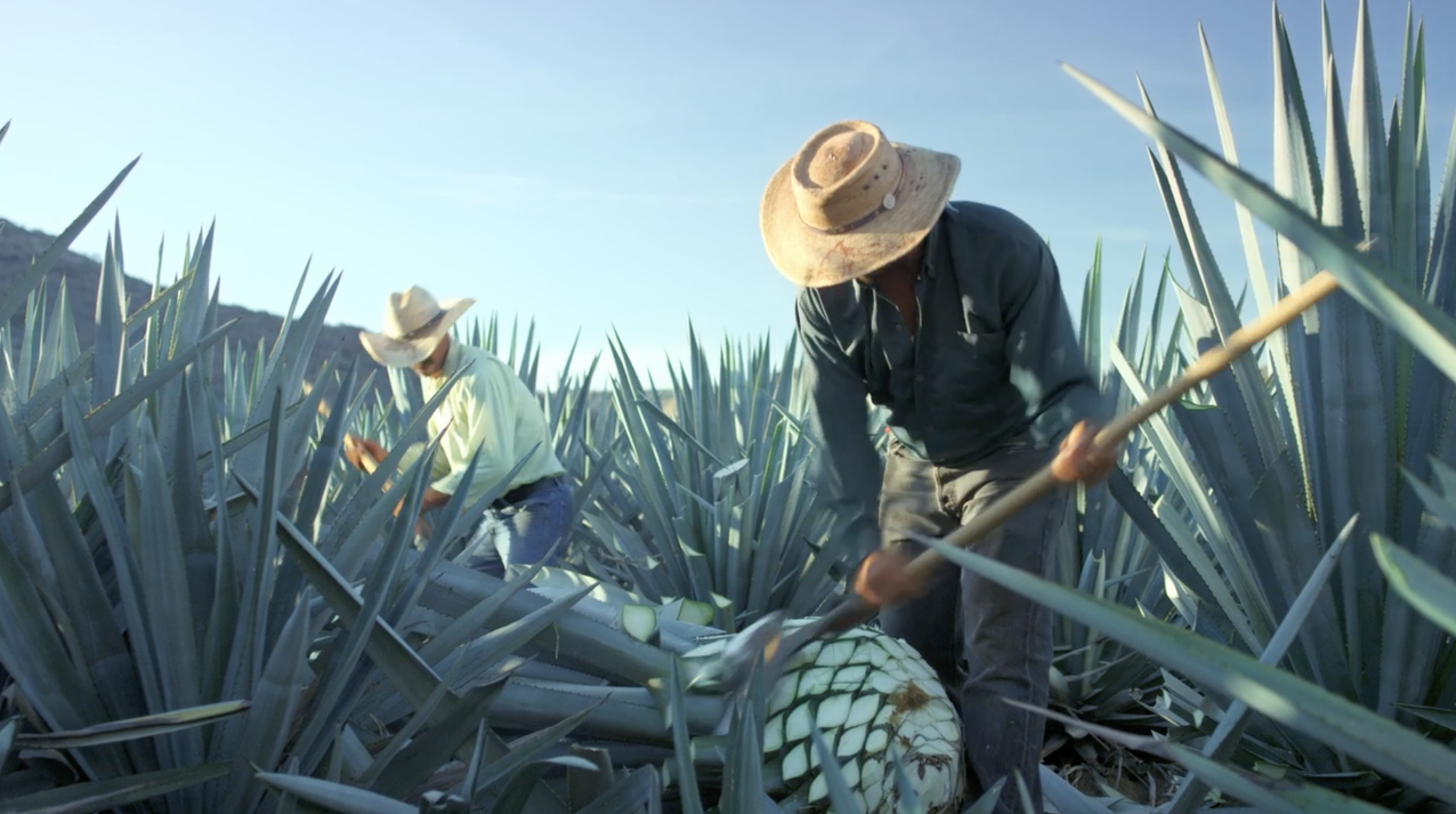
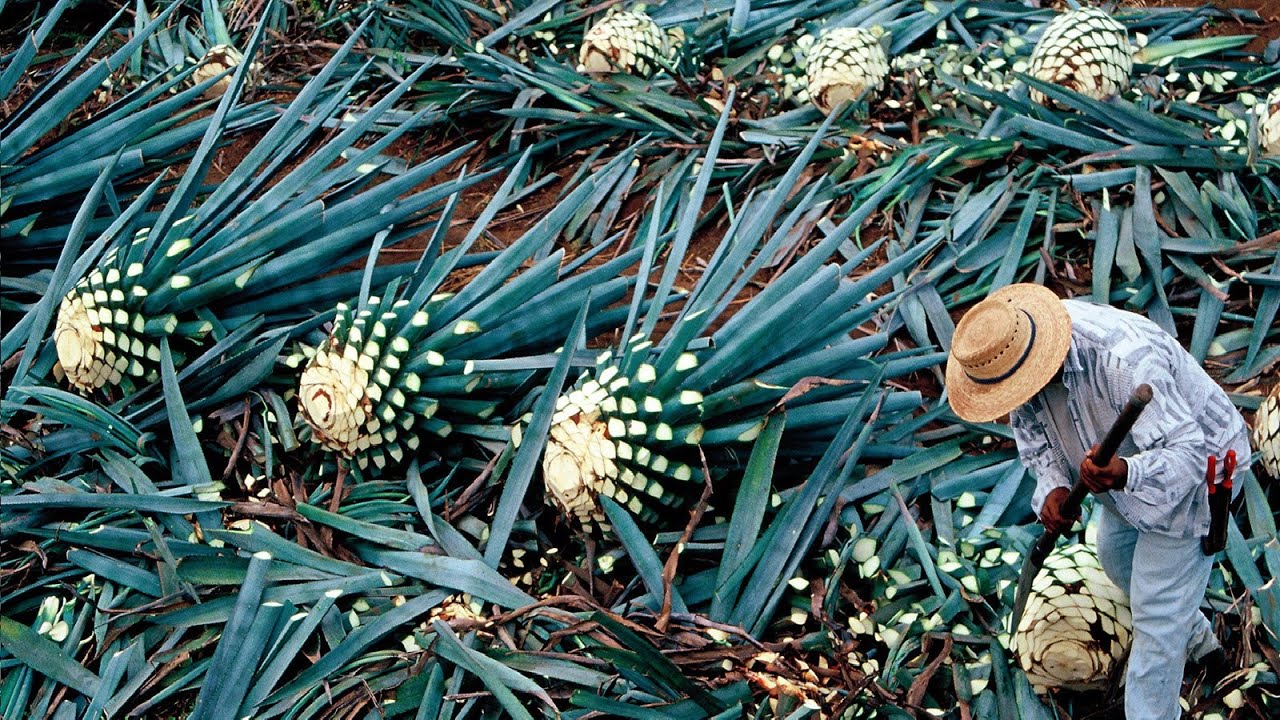
Tequila production starts with the jima, or harvesting of the agave. Skilled jimadores use a coa to remove leaves, exposing the piña. This physically demanding job requires years of practice. The piñas are then taken to the distillery, or fabrica.
At the fabrica, piñas are cooked in brick ovens or autoclaves to convert carbohydrates into fermentable sugars. They are then crushed using a traditional tahona or mechanical shredders to extract the sweet agave juice, called mosto. Yeasts ferment this mosto into alcohol.
The fermented liquid is distilled, typically twice, to increase alcohol content and refine flavor. Tequila is often aged in oak barrels, which add color, complexity, and smoothness. Aging times define the types: Blanco (unaged), Reposado (2-12 months), Añejo (1-3 years), and Extra Añejo (over 3 years). Tequila must be produced in specific regions of Mexico.
Other agave spirits, like raicilla, differ from tequila. Raicilla can be made from various agave species in different locations and lacks tequila's strict regulations. Its flavor profile is often more rustic and earthy.
100% Agave vs. Mixto: What’s the Difference?
When choosing tequila, understand the difference between 100% agave and mixto. 100% agave tequila uses only Weber Blue Agave sugars, offering a more complex flavor. Mixto tequila can include up to 49% other sugars, like cane or corn syrup.
Using other sugars in mixto tequila is a cost-saving method that impacts flavor, often resulting in less depth and complexity compared to 100% agave tequila. It can also contribute to harsher hangovers. Legally, mixto must be labeled, but this can be overlooked.
100% agave tequila typically costs more than mixto. The improved quality and authenticity justify the extra cost for many. Look for “100% de Agave” on the label.
100% Agave Tequila vs. Mixto Tequila: A Comparison
| Agave Content | Production Region Restrictions | Flavor Profile | Common Brands (Examples) | Typical Characteristics |
|---|---|---|---|---|
| 100% Blue Weber Agave | Must be produced in specific designated regions within Mexico. | Complex, showcasing the agave’s natural flavors – often fruity, earthy, and vegetal. | Fortaleza, Don Julio, Clase Azul, Ocho | Generally smoother, with a longer finish and more nuanced taste. |
| At least 51% Blue Weber Agave; up to 49% other sugars (typically cane sugar). | Production allowed in broader areas within Mexico, not limited to the designated regions. | Simpler, often sweeter due to the added sugars, with less pronounced agave notes. | Sauza, Jose Cuervo (some expressions), El Jimador | Can be harsher, with a quicker finish and a more straightforward flavor. |
| Requires harvesting mature agave plants (typically 6-8 years to maturity). | Strict regulations regarding distillation and bottling processes. | Flavor can vary significantly based on terroir and production methods, exhibiting a wide range of aromas and tastes. | Altos, Patron, Siete Leguas | Often considered higher quality due to the focus on pure agave flavor. |
| May utilize younger agave plants, potentially impacting flavor development. | Fewer restrictions on additives and production processes. | Generally more consistent in flavor profile, appealing to a broader consumer base. | Espolon, Milagro | Often more affordable and designed for mixing in cocktails. |
| Generally commands a higher price point due to the quality of agave and production standards. | Protected by the Consejo Regulador del Tequila (CRT) ensuring authenticity. | Offers a more authentic tequila experience, highlighting the craftsmanship and tradition of tequila making. | Komos, G4 | Often preferred by tequila enthusiasts and connoisseurs. |
| Typically more affordable, making it a popular choice for large-scale production and budget-conscious consumers. | Subject to CRT regulations, but with more flexibility in ingredient sourcing. | Suitable for cocktails where the tequila flavor is blended with other ingredients. | Cazadores, Herradura (some expressions) | A widely available option for everyday consumption. |
Illustrative comparison based on the article research brief. Verify current pricing, limits, and product details in the official docs before relying on it.
The Growing Pressure on Agave Supplies
Tequila's global popularity has strained agave supplies, with demand exceeding production. A late 2023 report from the Tequila Regulatory Council (CRT) indicated that harvests struggled to meet demand, causing dramatic price increases for mature agave plants.
High demand has led to fraudulent practices, such as harvesting immature agave plants before they develop sufficient sugar content. This compromises tequila quality, harms industry sustainability, and pressures the land.
Prices for 100% agave tequila have increased, with some brands rationing supplies. Addressing these issues requires careful management and a commitment to sustainable practices for the industry's long-term viability. The CRT is working on solutions for this complex challenge.
Sustainable Farming Practices: A Deep Dive
To address increased demand, many producers are adopting sustainable agave farming practices that minimize environmental impact and promote the health of agave fields. Responsible water management is essential, as agave cultivation requires significant water.
Common techniques include rainwater harvesting, efficient irrigation, and drought-resistant agave varieties. Improving soil health through cover cropping, composting, and reduced tillage prevents erosion and boosts fertility. Organic farming, avoiding synthetic pesticides and fertilizers, is also growing.
Fair labor standards are also key to sustainability, ensuring jimadores and other workers receive fair wages. Certifications like USDA Organic and Fair Trade help consumers identify sustainable brands. Transparency in farming practices is also vital.
Regenerative agriculture, focused on restoring soil health and biodiversity, aims to improve the ecosystem beyond minimizing harm. The goal is to create resilient agave fields for future generations.
Brands Leading the Charge
Several tequila brands are committed to sustainable agave farming. Altos Tequila, for instance, partners with over 80 jimador families, offering fair wages and supporting sustainable practices, alongside investments in water conservation and carbon footprint reduction.
Don Ramon Tequila uses responsible water management and organic fertilizers, aiming to preserve agave field biodiversity and protect the local ecosystem. Sauza is investing in agave propagation programs for a sustainable plant supply.
These brands take concrete actions to reduce environmental impact and support agave-growing communities. Increased transparency allows consumers to make informed choices, setting a positive industry example.
The Future of Agave: Innovations & Challenges
Looking ahead to 2026 and beyond, the future of agave farming will likely be shaped by technological advancements and ongoing challenges. Tissue culture propagation, a technique that allows for the rapid cloning of agave plants, is showing promise as a way to increase agave supplies. Researchers are also exploring drought-resistant agave varieties that can thrive in changing climate conditions.
However, significant challenges remain. Climate change poses a serious threat to agave cultivation, with increasing temperatures and unpredictable rainfall patterns. Land use conflicts and the need for greater traceability are also pressing concerns. Ensuring the authenticity of tequila and preventing fraudulent practices will continue to be a priority.
Greater investment in research and development, coupled with a continued commitment to sustainable farming practices, will be essential to ensure the long-term viability of the tequila industry. Consumer demand for sustainable products will also play a crucial role, driving producers to adopt more responsible practices. The future looks uncertain, but a focus on innovation and sustainability offers a path forward.
No comments yet. Be the first to share your thoughts!