

Agave’s Story: A Shared Root
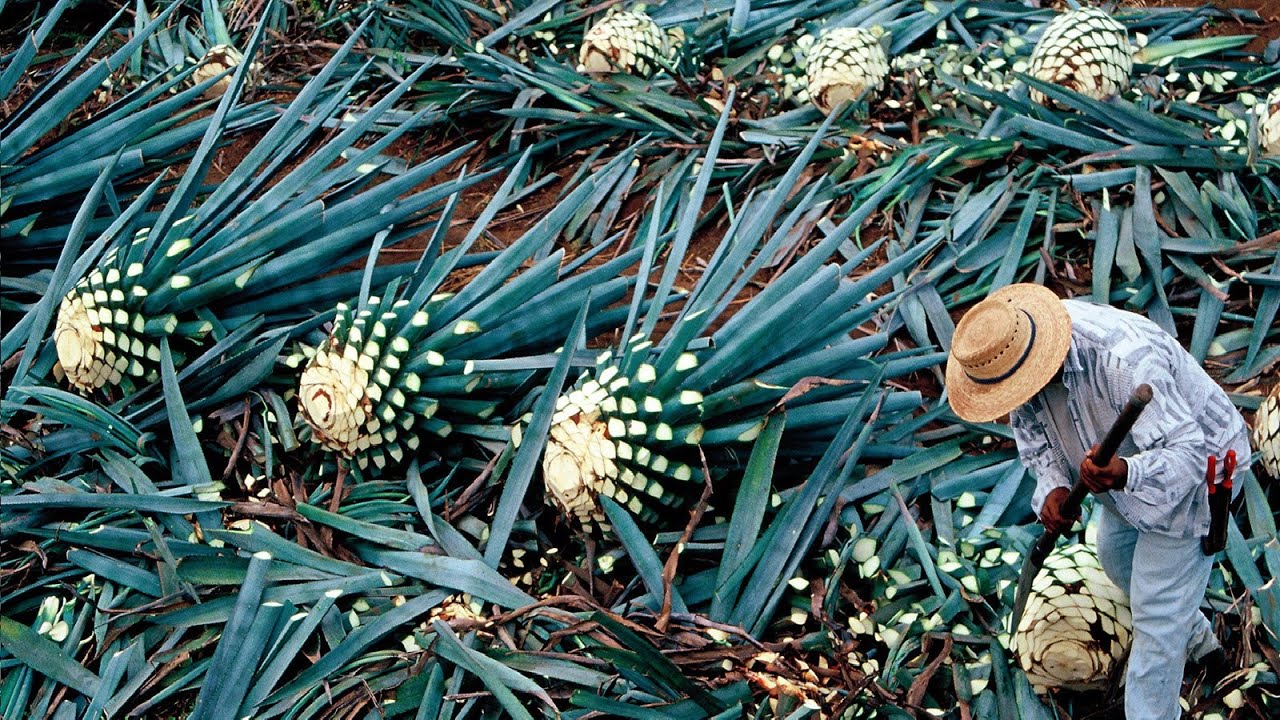
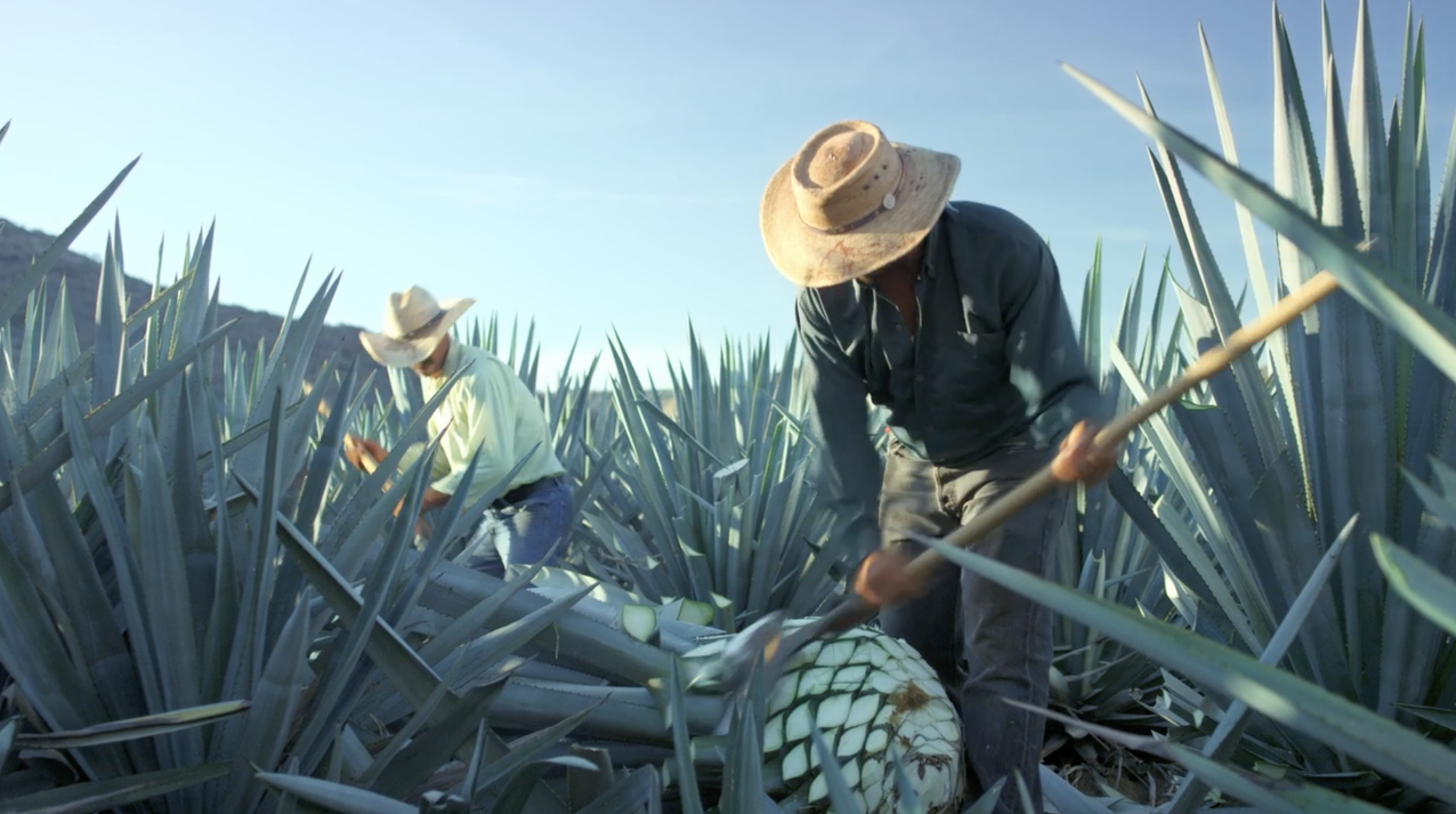
Tequila and mezcal both start with the agave plant, a succulent important to Mexican history and culture. Understanding their shared origin is the first step to appreciating their differences. Indigenous communities have cultivated agave for thousands of years, using its fibers for weaving and its sap for sweeteners, in addition to its alcoholic potential.
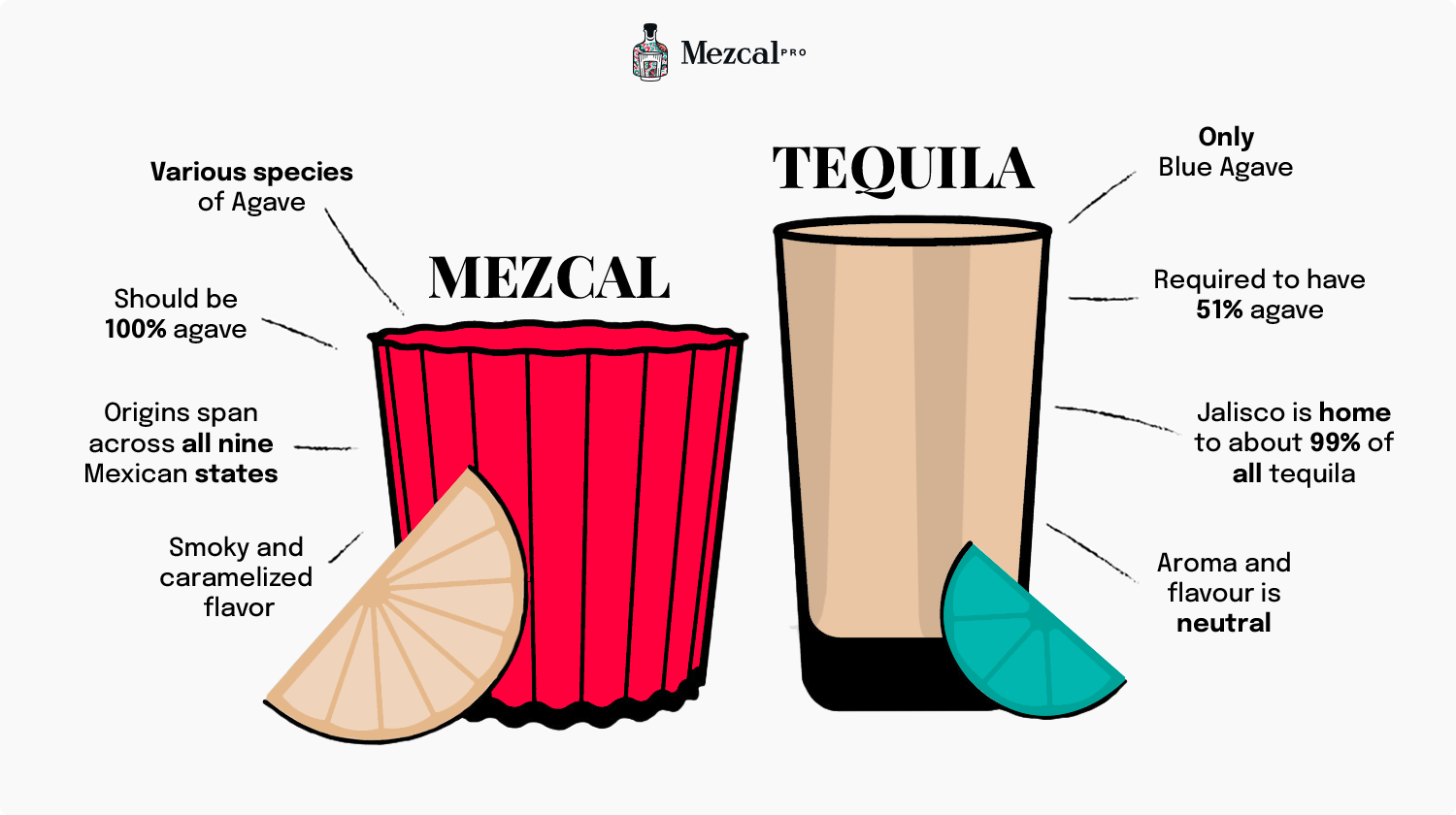
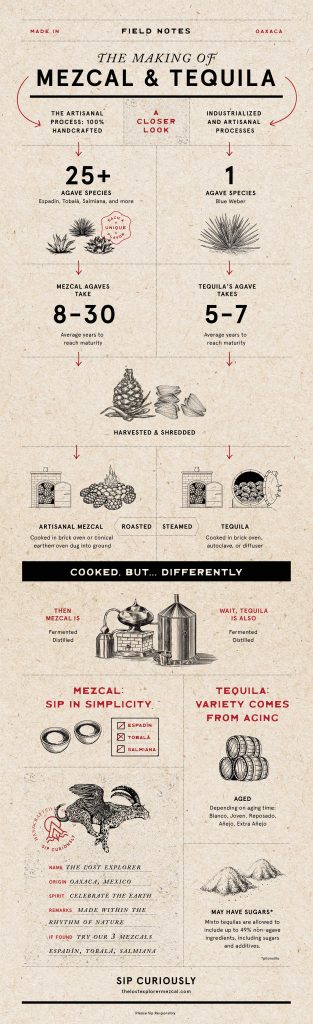
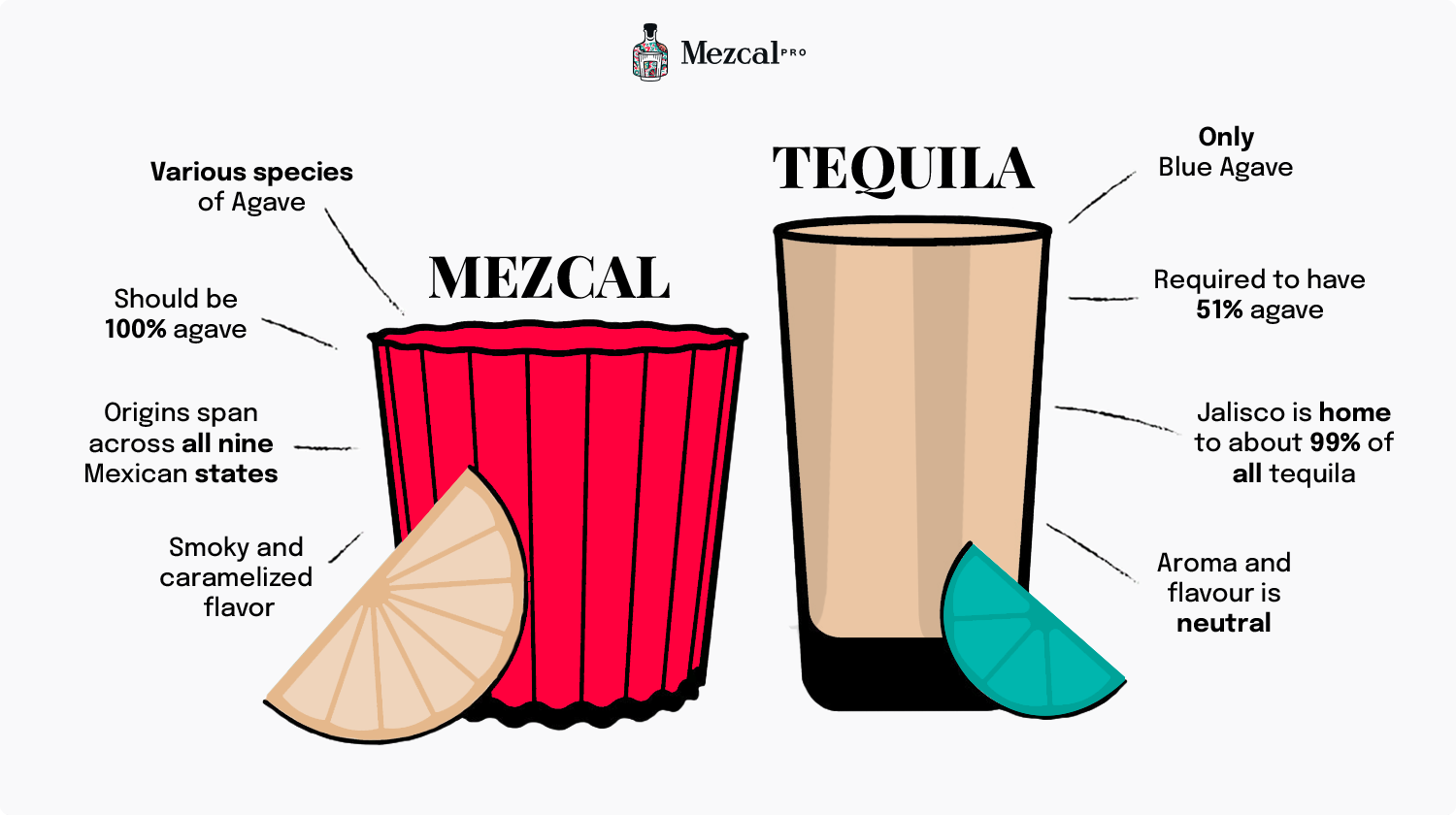
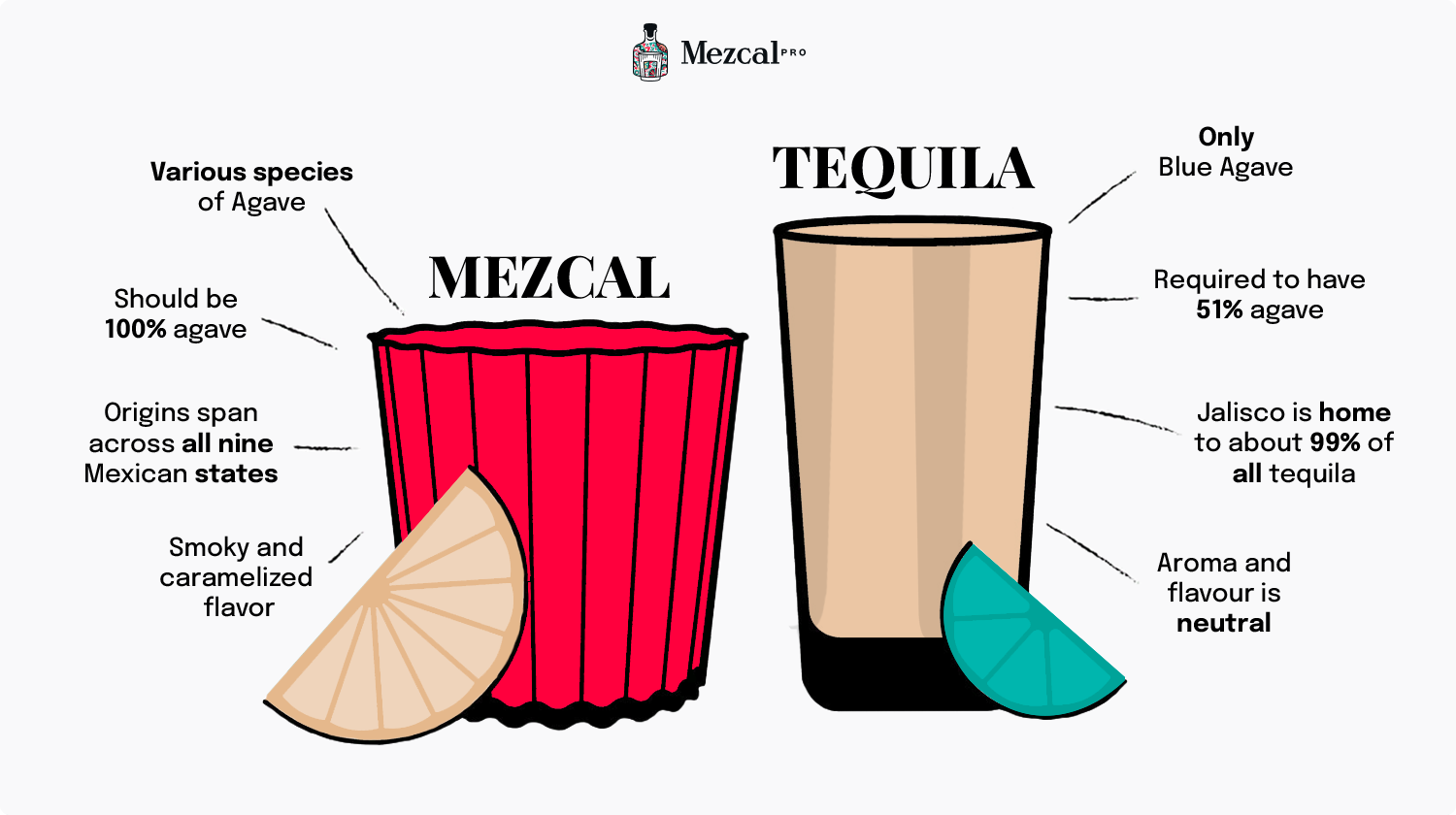
While both spirits rely on agave, the species used vary. Tequila primarily uses Agave tequilana, known as Weber Blue agave. Mezcal, however, draws from over 30 different agave species, including Espadín, Tobalá, and Arroqueño, each contributing unique flavors. The choice of agave significantly impacts the spirit's character.
Both tequila and mezcal are deeply interwoven with Mexican heritage, representing tradition, artistry, and a connection to the land. The process of making these spirits has been passed down through generations, often within families, maintaining cultural practices and a sense of community.
Tequila’s Defined Path
Tequila production operates under strict regulations overseen by the Consejo Regulador del Tequila (CRT). These rules guarantee quality and authenticity, protecting consumers and the spirit's integrity. The CRT controls everything from agave cultivation to bottling.
One key distinction is between 100% agave tequila and mixto tequila. 100% agave tequila is made entirely from Weber Blue agave sugars. Mixto tequilas can contain up to 49% other sugars, typically cane sugar or corn syrup. The CRT requires clear labeling so consumers can identify which type they're purchasing. 100% agave tequilas are generally considered higher quality.
Tequila is also geographically restricted. True tequila can only be produced in Jalisco and limited municipalities in Guanajuato, Michoacán, Nayarit, and Tamaulipas. The different classes of tequila—Blanco (unaged), Reposado (aged 2-12 months), Añejo (aged 1-3 years), and Extra Añejo (aged over 3 years)—dictate the aging process and flavor profile. The rules surrounding aging are precise, ensuring consistency across brands and categories.
These regulations were established to set a standard for tequila, combat counterfeiting, and protect agave farmers and producers. The CRT monitors production, conducts audits, and enforces its rules to maintain tequila's global reputation.
Mezcal’s Wider World
Unlike tequila's tight regulations, mezcal production has a broader scope. While standards exist, they are less restrictive, allowing for greater diversity in methods and flavors.
undefined and Tamaulipas. Oaxaca is the heartland of mezcal, producing approximately 85% of the spirit, but the other regions are rapidly gaining recognition for their unique expressions.
Traditional mezcal production relies heavily on time-honored techniques. Agave hearts (piñas) are often cooked in earthen ovens—pits dug into the ground and lined with lava rocks—imparting a distinctive smoky flavor. The cooked agave is then crushed, traditionally using a tahona—a large stone wheel pulled by a donkey or mule—though modern mills are also used. Fermentation typically occurs in wooden vats, and distillation is done in copper pot stills.
The role of the maestro mezcalero is central to mezcal production. These master distillers often inherit their knowledge and techniques from generations past, and they are responsible for overseeing every step of the process, from agave selection to bottling. Their expertise and artistry are crucial to the character of the mezcal. They aren't just making a drink; they are preserving a tradition.
Cooking the Agave: Earth vs. Industry
The method of cooking the agave is arguably the most significant difference between tequila and mezcal production. For mezcal, the traditional method involves earth ovens – pits dug into the ground lined with lava rocks, heated with wood and charcoal, and covered with agave piñas. This slow cooking process, lasting several days, imparts a distinct smoky flavor that is a hallmark of many mezcals. The type of wood used also influences the flavor, with mesquite being a common choice.
Most tequila production, however, utilizes industrial ovens or autoclaves. Autoclaves use steam pressure to cook the agave quickly and efficiently. While this method is faster and more consistent, it doesn’t impart the same smoky characteristics as earth ovens. Traditional brick ovens, called hornos, are gaining popularity among some tequila producers seeking a more nuanced flavor profile, but they are not as widely used as autoclaves.
This difference in cooking methods fundamentally shapes the flavor profiles of the two spirits. The earth oven imparts earthy, smoky, and sometimes vegetal notes to mezcal, while the industrial methods used for most tequila result in a cleaner, brighter, and more agave-forward flavor.
Flavor Profiles: Smoke and Beyond
Generally speaking, tequila tends to exhibit brighter, cleaner flavors, with prominent agave notes. Blanco tequilas showcase the pure essence of the agave, while Reposado and Añejo styles develop more complex flavors from aging in oak barrels—vanilla, caramel, and spice are common. Extra Añejo tequilas can take on even richer, more nuanced flavors.
Mezcal, on the other hand, is often characterized by its smoky, earthy, and vegetal notes, a direct result of the earth oven cooking process. However, the flavor profile of mezcal is incredibly diverse, depending on the agave species used. Espadín, the most common agave for mezcal, offers a balanced smoky flavor. Tobalá, a rarer agave, produces a more floral and fruity mezcal, while Arroqueño can be intensely smoky and complex.
It’s important to avoid overgeneralizations. There is significant variation within both tequila and mezcal. Some tequilas may exhibit subtle smoky notes, and some mezcals may be surprisingly mild. The producer’s techniques, the aging process, and the specific agave used all play a role in shaping the final flavor.
Flavor Profile Comparison: Tequila vs. Mezcal (2026)
| Flavor Characteristic | Tequila | Mezcal |
|---|---|---|
| Smokiness | Low | High |
| Sweetness | Medium | Low to Medium |
| Earthiness | Medium | Medium to High |
| Fruitiness | Medium to High | Medium |
| Spice | Medium | Medium to High |
| Floral Notes | Low to Medium | Low |
| Vegetal Notes | Low | Medium to High |
Illustrative comparison based on the article research brief. Verify current pricing, limits, and product details in the official docs before relying on it.
Serving Suggestions: How to Enjoy
Tequila is incredibly versatile and can be enjoyed in a variety of ways. It’s a staple in classic cocktails like the Margarita, Paloma, and Tequila Sunrise, but it also shines when sipped neat, particularly the higher-end Añejo and Extra Añejo expressions. A simple accompaniment of an orange slice and a pinch of salt is often all that's needed to enhance the experience.
Mezcal is often enjoyed neat, allowing its complex flavors to be fully appreciated. It’s traditionally served in a jicara—a small gourd cup—but a Glencairn glass or a rocks glass works well too. Mezcal also lends itself well to cocktails that complement its smoky character, such as the Oaxaca Old Fashioned (mezcal, agave nectar, bitters) or a Mezcal Negroni.
Regardless of how you choose to enjoy them, using quality glassware and taking the time to savor the aroma and flavor are key to a rewarding experience. Consider the temperature too – a slight chill can enhance the flavors of both tequila and mezcal, but avoid over-chilling, which can mask their complexity.
Top Mezcal & Tequila Brands to Try in 2026
The world of tequila and mezcal is vast, and discovering new favorites is part of the fun. Here are a few brands to get you started, representing the diversity within each category. Prices are approximate and can vary.
Tequila Recommendations:
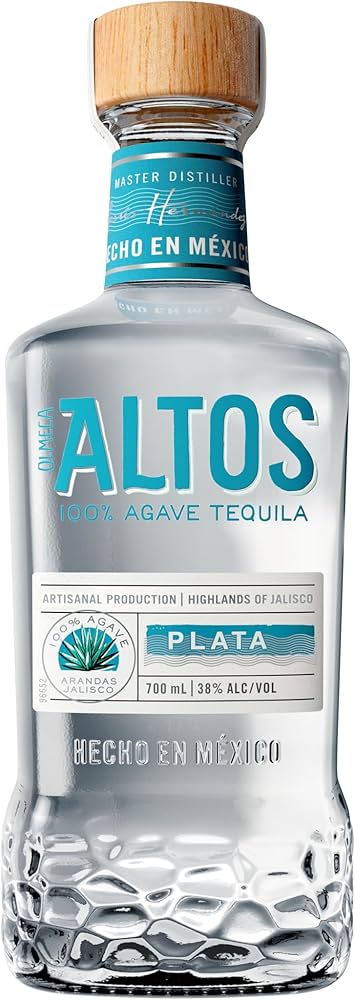
Altos Tequila (around $30-$50): Known for its smooth, clean flavor and commitment to traditional production methods. They offer Plata, Reposado, and Añejo expressions.
Don Ramon Tequila (around $60-$100+): A premium tequila with a reputation for quality and craftsmanship. Their Reposado and Añejo are particularly well-regarded.
Sauza Tequila (around $20-$40): A widely available and reliable brand offering a range of tequilas, including Blanco, Reposado, and Añejo. A good entry point for exploring tequila.
Fortaleza Tequila (around $80-$150+): A highly sought-after, craft tequila known for its traditional production methods and complex flavors.
Casa Dragones Tequila (around $75-$120): A small-batch, sipping tequila with a focus on elegance and refinement.
El Tesoro Tequila (around $50-$80): Another highly respected brand focused on traditional methods and quality agave.
Mezcal Recommendations:
Del Maguey Mezcal (around $60-$100+): A pioneering brand that helped introduce mezcal to a wider audience. They offer a variety of single-village mezcals, showcasing different agave varieties and production styles.
Montelobos Mezcal (around $40-$60): A popular choice known for its approachable flavor profile and smooth finish.
Ilegal Mezcal (around $50-$70): A brand with a unique story and a commitment to supporting sustainable agave cultivation.
Lalocura Mezcal (around $50-$80): Offers a diverse range of mezcals, including those made from rare agave varieties.
Mezcales de Leyenda (around $40-$60): Known for their commitment to preserving traditional mezcal-making techniques.
Pierde Almas Mezcal (around $50-$70): A brand that focuses on small-batch, artisanal mezcals with unique flavor profiles.
These are just a starting point, of course. The best way to find your favorites is to explore and experiment!
Explore the World of Agave Spirits: Top Tequilas and Mezcals
100% agave · Tahona-milled · Citrus and pepper notes
This is a widely recognized and respected tequila that serves as a benchmark for understanding authentic tequila production and flavor profiles.

Non-alcoholic · Zero sugar, zero carbs · Agave-forward flavor
This product provides a non-alcoholic option that aims to replicate the agave notes of tequila, allowing for comparison in a mocktail context.

Non-alcoholic · Zero carbs, zero sugar, zero calories · Smoky and earthy flavor
This non-alcoholic mezcal alternative allows readers to explore the smoky characteristics often associated with mezcal without the alcohol content.

Non-alcoholic · Smoky agave flavor · Made in Germany
This product offers a distinct non-alcoholic take on smoky agave spirits, highlighting the diverse approaches to replicating traditional flavors.
Non-alcoholic · Smoky agave flavor · Made in Germany
This product offers a distinct non-alcoholic take on smoky agave spirits, highlighting the diverse approaches to replicating traditional flavors.
As an Amazon Associate I earn from qualifying purchases. Prices may vary.
No comments yet. Be the first to share your thoughts!