

Agave's Story: Roots of Two Spirits
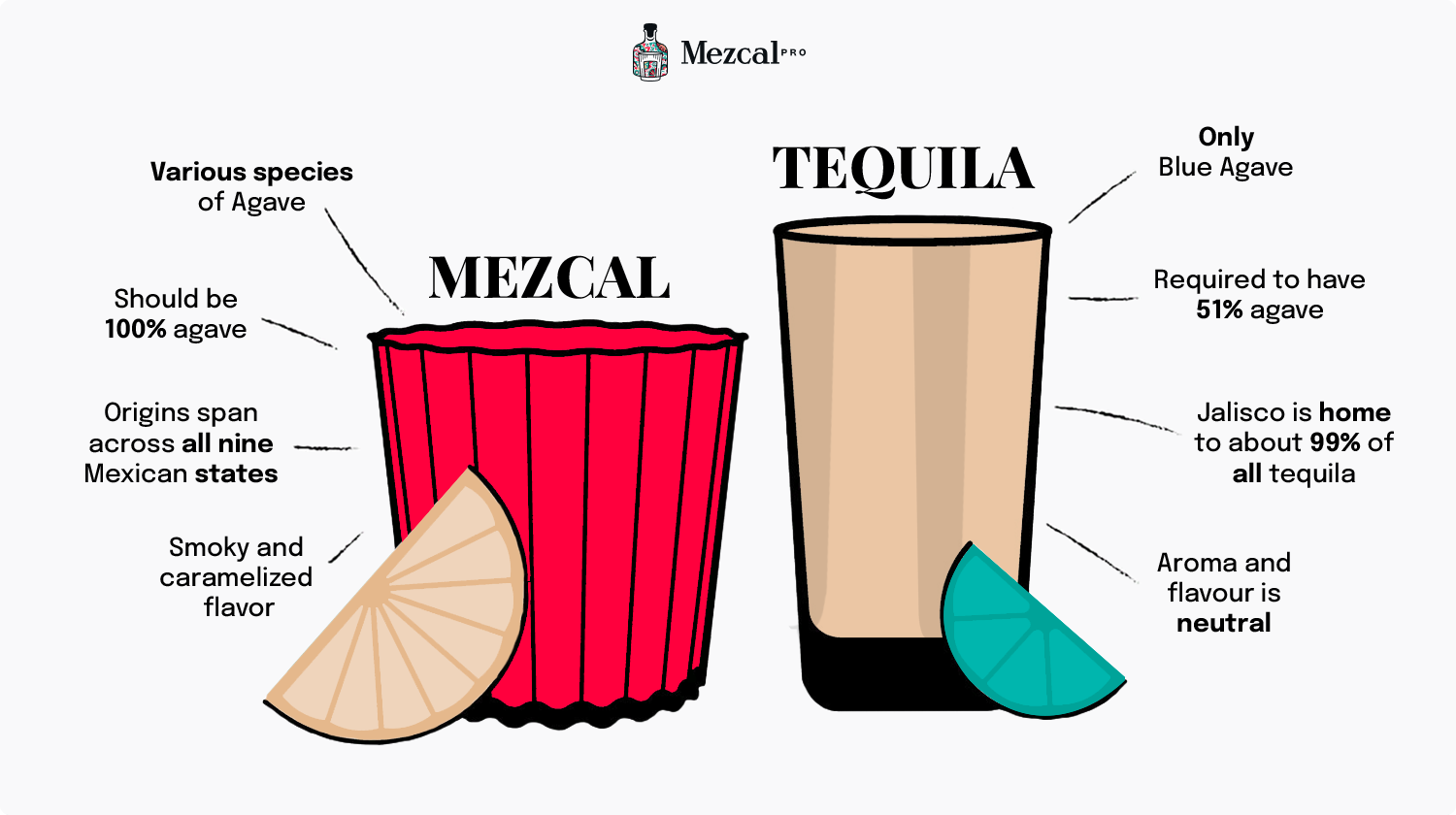
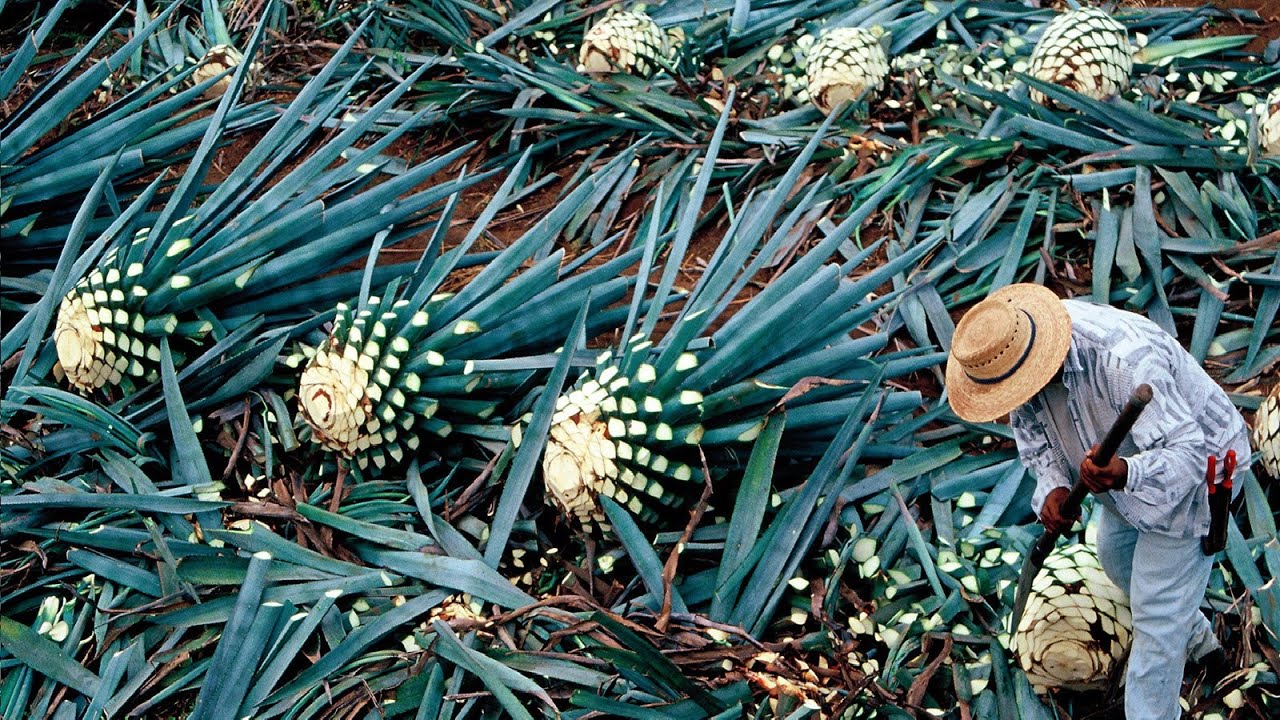
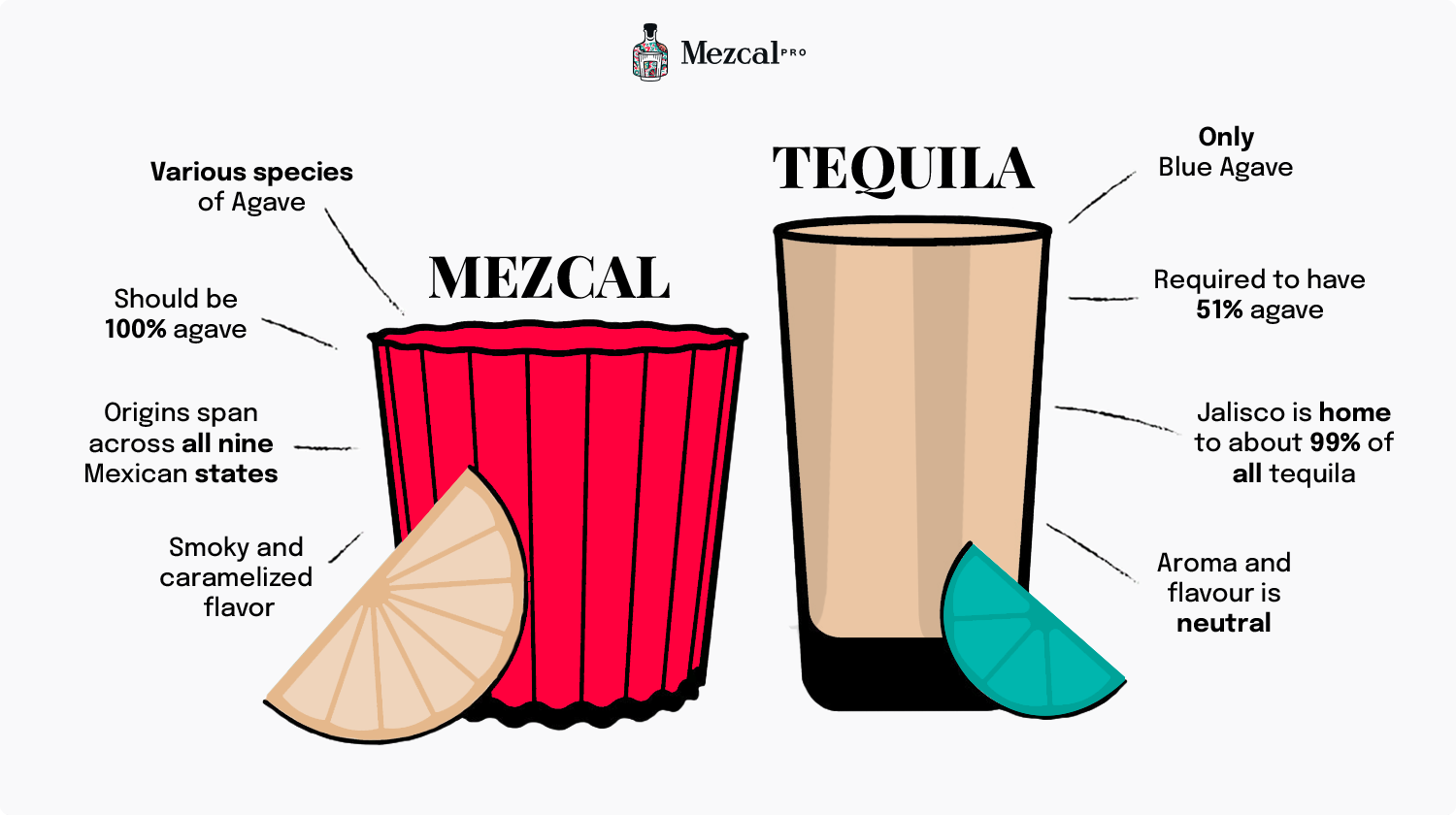
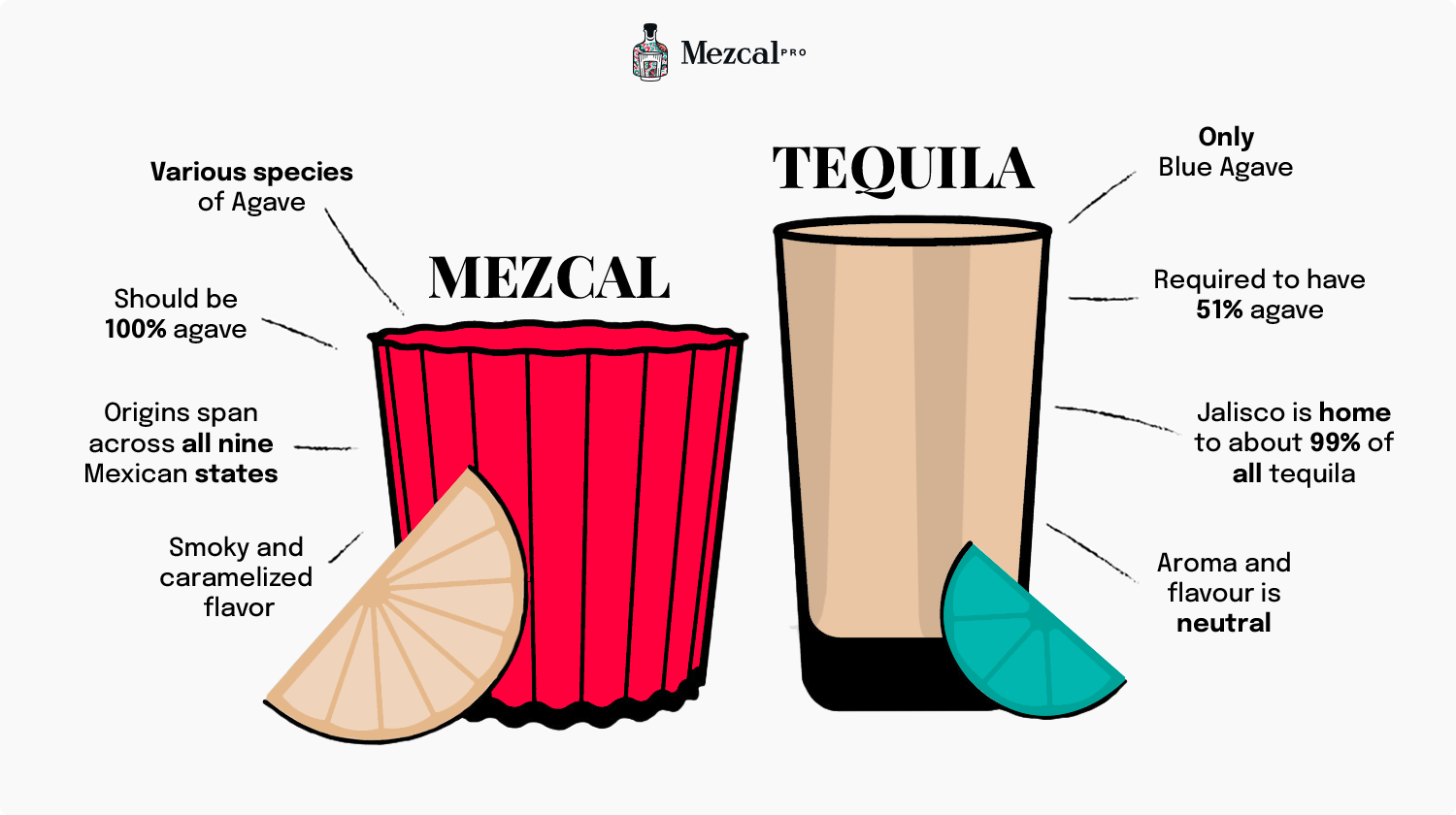
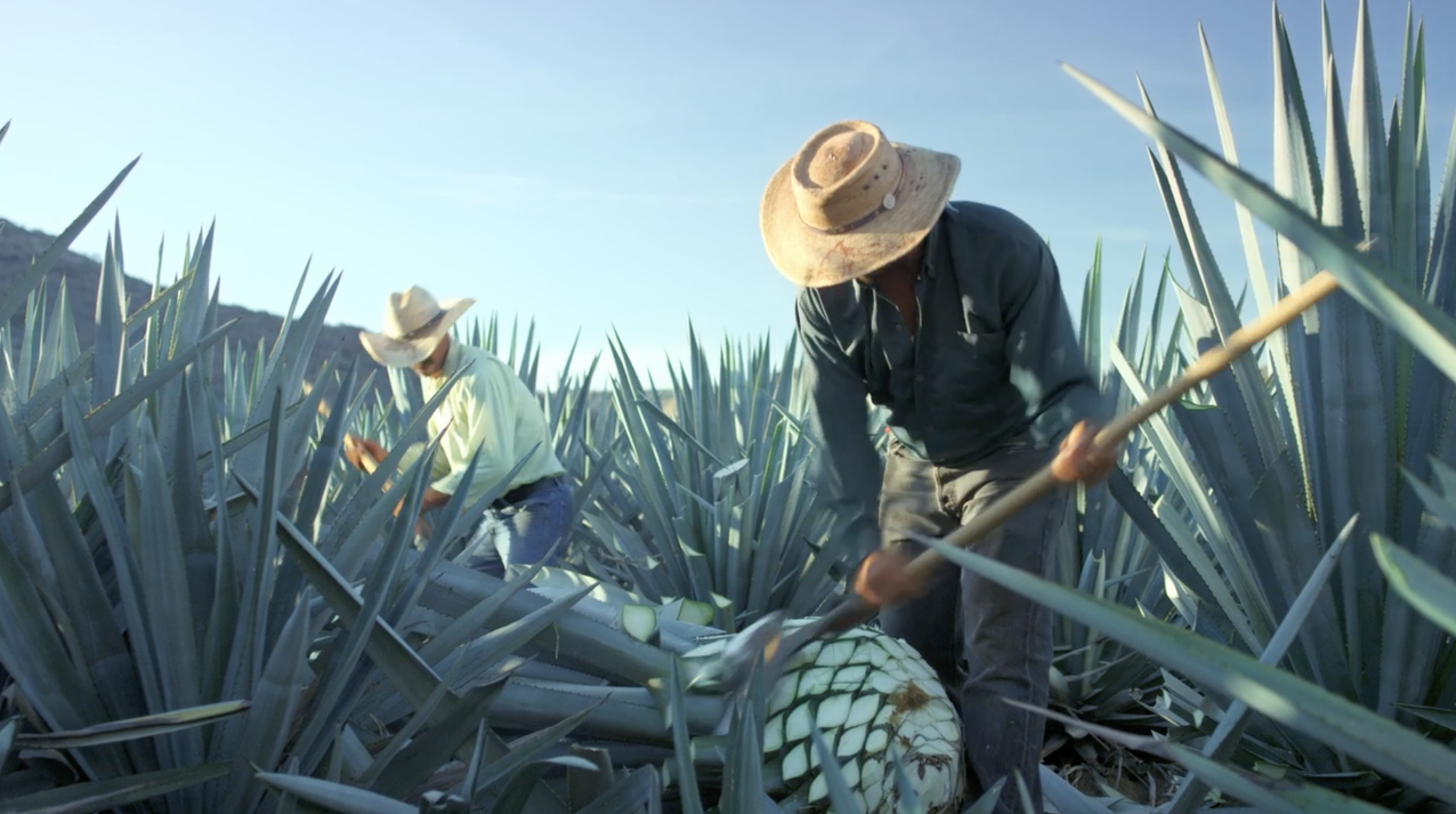
Tequila and mezcal both start with agave, a succulent native to Mexico. While Agave tequilana (Weber Blue agave) is the primary source for tequila, making up about 99% of its production, mezcal uses over 30 different agave species. This variety is a key reason for their distinct characteristics.
The history of both spirits goes back centuries, predating the Spanish arrival. Indigenous cultures fermented agave to create pulque, a precursor to tequila and mezcal. When the Spanish arrived in the 16th century, they introduced distillation, which was applied to agave fermentation, birthing these iconic spirits. Early versions differed from today's, but the foundation was set.
The line between tequila and mezcal was blurred for a long time. Regulations in the 20th century formalized specific categories and production rules. Though they've diverged, tequila is a type of mezcal—a highly regulated one. They share a common ancestor and ingredient, but their identities evolved distinctly over centuries.
Understanding their shared origin helps appreciate both spirits. They are cousins, not rivals, each with a unique character. The agave plant takes six to eight years, sometimes longer, to mature before harvest. This long maturation contributes to the value and complexity of both tequila and mezcal.
Tequila's Defined Process
Tequila production is regulated by the Consejo Regulador del Tequila (CRT). Regulations cover permitted growing regions and production methods. Tequila is legally produced only in Jalisco and certain municipalities in Guanajuato, Michoacán, Nayarit, and Tamaulipas. This geographic restriction is central to its designation of origin.
Tequila has two primary categories: 100% agave and mixto. 100% agave tequila is made entirely from Weber Blue agave sugars. Mixto tequila must contain at least 51% agave sugars, with the rest from sources like cane sugar or corn syrup. While 100% agave tequilas are generally higher quality, mixtos are still used, especially in cocktails.
Production starts with the jima, or agave harvest. The piñas (agave hearts) are cooked in brick ovens or autoclaves to convert carbohydrates into fermentable sugars, developing initial flavors. They are then crushed to extract juice, which ferments, often using proprietary yeast strains. The liquid is distilled, usually twice, to increase alcohol and refine flavors.
Tequila is often aged. Blanco is bottled immediately. Reposado ages in oak barrels for two months to a year. Añejo spends one to three years in oak, and extra añejo ages for over three years. Aging adds color, flavor, and complexity, making the spirit smoother and more nuanced. The type of oak—American, French, or ex-bourbon—also impacts the final flavor.
Tequila production is tightly controlled. Each distillery gets a NOM (Norma Oficial Mexicana) number for identification and traceability, ensuring authenticity and quality. This system protects the tequila designation's integrity.
Mezcal's Wilder Side
Mezcal production is more diverse and artisanal than tequila's. The Consejo Regulador del Mezcal (CRM) oversees production with less rigid rules, allowing more agave species and traditional techniques. Mezcal uses over 30 agave types, each adding unique flavors. Espadín is common, but Tobalá, Tepeztate, and Arroqueño are also popular.
A defining characteristic of mezcal production is pit roasting. Agave piñas cook in earthen ovens with volcanic rocks, wood, and charcoal. This slow, smoky process imparts a flavor absent in most tequilas. Piñas can spend days in the pit, depending on size and desired caramelization. This method is where mezcal truly distinguishes itself.
After cooking, the agave is crushed, traditionally using a tahona – a large stone wheel pulled by a horse or donkey. Today, mechanical shredders are also common, but the tahona method is still favored by many producers for its ability to gently extract the juices. The crushed agave is then fermented, often in wooden or clay vessels, using wild yeasts. This natural fermentation process can take several weeks or even months.
Mezcal is typically distilled once, though some producers opt for a second distillation. The distillation often takes place in copper or clay pot stills, which further contribute to the spirit's complexity. Unlike tequila, mezcal production isn't limited to specific regions. While Oaxaca is the heartland, producing around 85% of all mezcal, it’s also made in several other states, including Guerrero, Puebla, Durango, and San Luis Potosí. This geographic diversity adds another layer of complexity to the mezcal world.
The artisanal nature of mezcal production means that each batch can vary significantly, reflecting the unique terroir, agave species, and producer’s techniques. It’s a spirit deeply rooted in tradition and craftsmanship, representing a connection to the land and the people who make it.
Flavor Profiles: Earth vs. Refinement
The difference in production methods translates directly into distinct flavor profiles. Tequila generally presents a cleaner, brighter, and more predictable taste. Expect notes of citrus, pepper, vanilla (from oak aging), and subtle sweetness. Blanco tequilas are often characterized by a strong agave flavor, while reposado and añejo tequilas develop more complex aromas and flavors from the oak.
Mezcal, on the other hand, is known for its smoky, earthy, and complex flavors. The pit roasting process imparts a distinctive smoky character that is often the first thing people notice. Beyond the smoke, you'll find notes of roasted agave, herbs, spices, and even fruit. The flavor profile can vary dramatically depending on the agave species used. Tobalá mezcal, for example, tends to be floral and fruity, while Tepeztate mezcal is often herbaceous and vegetal.
The choice of agave species significantly influences the final flavor. Espadín, being the most widely used, offers a relatively mild and balanced flavor. But exploring other agaves unlocks a world of nuance. Some are intensely floral, others are surprisingly fruity, and still others are incredibly savory. This diversity is one of the most exciting aspects of mezcal.
To illustrate, imagine sipping a blanco tequila – it's likely to be crisp and straightforward, with a clear agave presence. Now picture a mezcal made from wild agave – it might evoke the scent of a forest floor, with hints of smoke, leather, and exotic spices. The difference is striking, and it’s a testament to the unique production methods and agave varieties used in each spirit.
Ultimately, the preferred flavor profile is a matter of personal taste. Some prefer the refined and predictable flavors of tequila, while others are drawn to the complexity and earthiness of mezcal.
- Tequila (Blanco): Citrus, agave, pepper
- Tequila (Reposado): Vanilla, caramel, oak, agave
- Mezcal (Espadín): Smoke, roasted agave, earth
- Mezcal (Tobalá): Floral, fruity, smoke
Flavor Profile Comparison: Mezcal vs. Tequila
| Flavor Characteristic | Tequila (Generally) | Mezcal (Generally) |
|---|---|---|
| Smokiness | Low to Medium | Medium to High |
| Sweetness | Medium | Low to Medium |
| Earthiness | Medium | Medium to High |
| Fruitiness | Medium to High | Low to Medium |
| Spice | Medium | Medium |
| Floral Notes | Low to Medium | Medium |
| Vegetal Notes | Low | Medium to High |
Illustrative comparison based on the article research brief. Verify current pricing, limits, and product details in the official docs before relying on it.
Serving Suggestions: How to Enjoy
Both tequila and mezcal are incredibly versatile spirits, lending themselves to a variety of serving styles. Tequila is perhaps best known for its use in cocktails like the Margarita, Paloma, and Tequila Sunrise. However, sipping high-quality tequila, especially reposado and añejo expressions, is becoming increasingly popular. Blanco tequila is often enjoyed neat with a slice of lime or orange.
Mezcal, with its complex flavors, is often savored neat in a copita – a small, gourd-shaped glass. Traditionally, it’s paired with slices of orange and lime, and a small dish of sal de gusano (worm salt), a blend of salt, chili powder, and ground agave worms. The salt is meant to be tasted before and after each sip, enhancing the flavors of the mezcal. It’s a truly unique and immersive experience.
Don’t be afraid to experiment with both spirits. Tequila can be a fantastic base for creative cocktails, while mezcal can add a smoky depth to classic drinks. Mezcal also pairs well with food, complementing dishes with bold flavors like mole, grilled meats, and spicy seafood.
The key is to approach both spirits with an open mind and a willingness to explore. Whether you’re sipping it neat, mixing it into a cocktail, or pairing it with food, tequila and mezcal offer a world of flavor to discover. The growing appreciation for both spirits is driving a trend towards more mindful consumption and a deeper understanding of their unique characteristics.
Ultimately, the best way to enjoy tequila and mezcal is the way you enjoy it. There are no hard and fast rules, so feel free to experiment and find what works best for your palate.
Essential Tools for Your Mezcal and Tequila Journey

Set of 2 glasses · Designed for tequila and mezcal · Unique volcanic ash finish
These glasses are specifically designed to enhance the aroma and flavor profiles of both tequila and mezcal, allowing for a more nuanced tasting experience.

Traditional Oaxacan worm salt · Enhances agave spirit flavors · 3.52 oz jar
Sal de gusano is a classic accompaniment to mezcal, offering a complex salty, earthy, and slightly spicy flavor that complements the spirit's smoky notes.

Set of 4 crystal snifter copitas · 5.5 oz capacity · Ideal for tasting Blanco, Reposado, and Añejo tequilas
These crystal snifter copitas are shaped to concentrate the aromas of tequila, allowing you to fully appreciate the distinct characteristics of different aged varieties.

24oz stainless steel cocktail shaker · Includes built-in bartender strainer · Suitable for margaritas, martinis, and other cocktails
This professional-grade cocktail shaker is essential for crafting classic tequila and mezcal-based cocktails, ensuring proper chilling and dilution for balanced drinks.
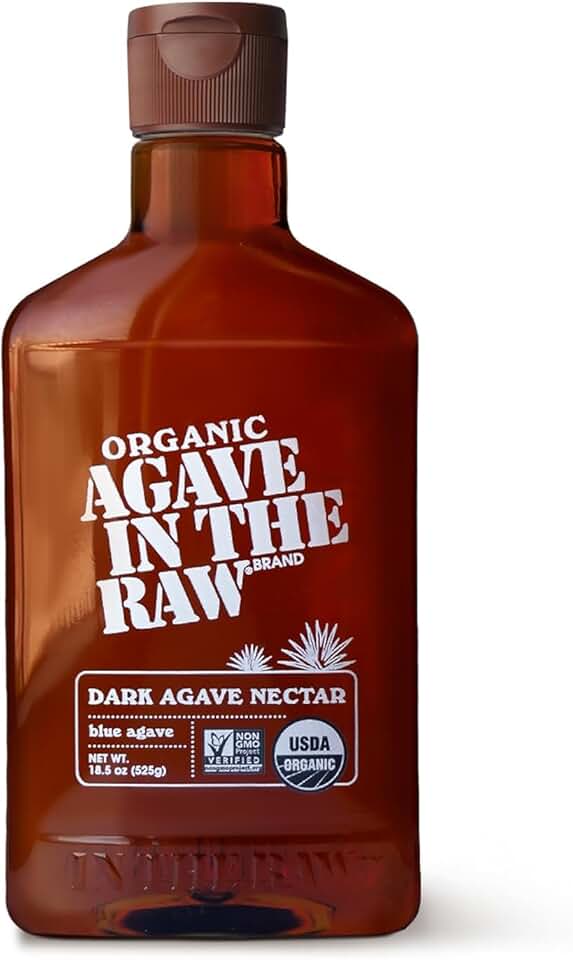
18.5 oz bottle of organic agave nectar · Made from Blue Agave from Mexico · USDA Organic, Non-GMO Project Verified, Vegan, Low Glycemic Index
Agave nectar, derived from the same plant as tequila and mezcal, provides a natural sweetener that can be used in cocktails or as a versatile culinary ingredient.
As an Amazon Associate I earn from qualifying purchases. Prices may vary.
Beyond the Bottle: Current Trends (2026)
The world of tequila and mezcal is constantly evolving. In 2026, we’re seeing a significant surge in demand for craft mezcal, driven by consumers seeking authentic and unique experiences. Producers are increasingly focused on single-village mezcals, highlighting the terroir and traditions of specific communities. This trend emphasizes the human element and the unique stories behind each bottle.
The exploration of rare and lesser-known agave species is also gaining momentum. Producers are experimenting with agaves like Cuxilapan, Chaparrosa, and Bicuixe, uncovering new flavor profiles and expanding the diversity of the mezcal landscape. This is a fascinating area of innovation, pushing the boundaries of what mezcal can be.
Sustainability is becoming a major focus for both tequila and mezcal producers. Concerns about agave farming practices and environmental impact are driving a shift towards more responsible production methods, including regenerative agriculture and water conservation. Consumers are increasingly demanding transparency and ethical sourcing.
In the tequila world, premiumization continues to be a dominant trend. Producers are focusing on creating ultra-premium expressions, emphasizing the quality of the agave, the aging process, and the overall craftsmanship. Terroir is also gaining importance, with producers highlighting the unique characteristics of their agave fields. We're seeing more limited-edition releases and single-estate tequilas.
The rise of online communities and direct-to-consumer sales is also shaping the market. Consumers are able to connect directly with producers, learn about their processes, and purchase bottles online. This increased access is fostering a deeper appreciation for both tequila and mezcal.
Spotting Authenticity: Avoiding Fakes
Unfortunately, the popularity of tequila and mezcal has led to an increase in counterfeit products. It’s crucial to be vigilant and know what to look for to ensure you’re purchasing an authentic bottle. For tequila, look for the certification from the CRT (Consejo Regulador del Tequila) on the label.
The label should clearly state “100% Agave” if it is made entirely from agave sugars. It should also include a NOM number (Norma Oficial Mexicana), which identifies the distillery where the tequila was produced. This NOM number is a crucial indicator of authenticity. Every legitimate tequila distillery has a unique NOM number.
For mezcal, look for the certification from the CRM (Consejo Regulador del Mezcal). The label should also include the producer’s name and address, as well as the agave species used. Be wary of bottles that lack this information or appear to be poorly labeled.
Pay attention to the packaging and price. Counterfeit products often have inferior packaging and are sold at significantly lower prices than authentic bottles. If a deal seems too good to be true, it probably is. Research the brand and the retailer before making a purchase.
Finally, consider purchasing from reputable retailers or directly from the producers themselves. This reduces the risk of encountering counterfeit products and ensures you’re getting a genuine bottle of tequila or mezcal. Taking a few extra precautions can save you from disappointment and ensure you’re enjoying a quality spirit.
- Tequila: CRT Certification, 100% Agave (if applicable), NOM Number
- Mezcal: CRM Certification, Producer Information, Agave Species
Mezcal & Tequila: A Side-by-Side Comparison
To recap, tequila and mezcal share a common ancestor in the agave plant, but diverge significantly in production and flavor. Tequila is tightly regulated, made primarily from Weber Blue agave, and typically distilled twice. Mezcal is more artisanal, made from over 30 agave species, often pit-roasted, and typically distilled once.
Tequila generally offers a cleaner, brighter flavor profile with notes of citrus and pepper, while mezcal boasts a smoky, earthy complexity. Tequila is often enjoyed in cocktails, while mezcal is frequently savored neat. Both spirits are deeply rooted in Mexican culture, but represent different expressions of agave’s potential.
Ultimately, both tequila and mezcal are exceptional spirits worthy of exploration. Understanding their differences allows you to appreciate their unique qualities and enjoy them to the fullest. Whether you prefer the refinement of tequila or the earthiness of mezcal, there's a world of flavor waiting to be discovered.
No comments yet. Be the first to share your thoughts!