

Agave is the shared root
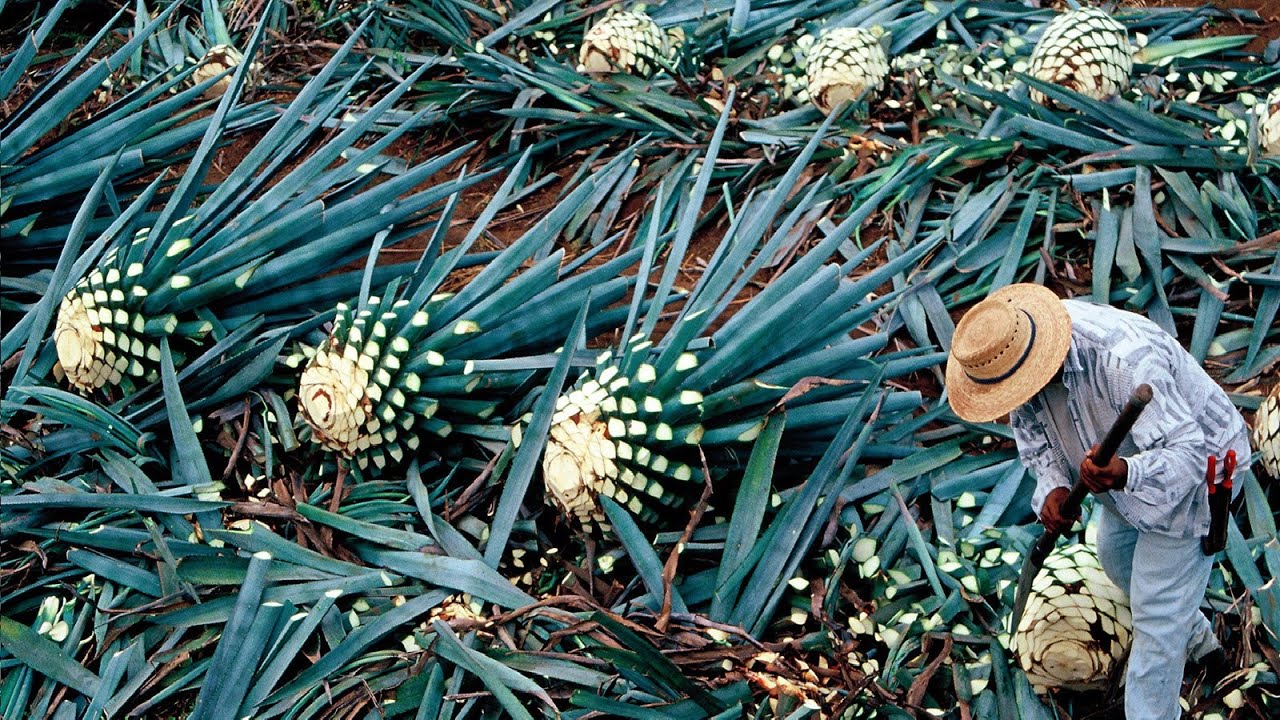
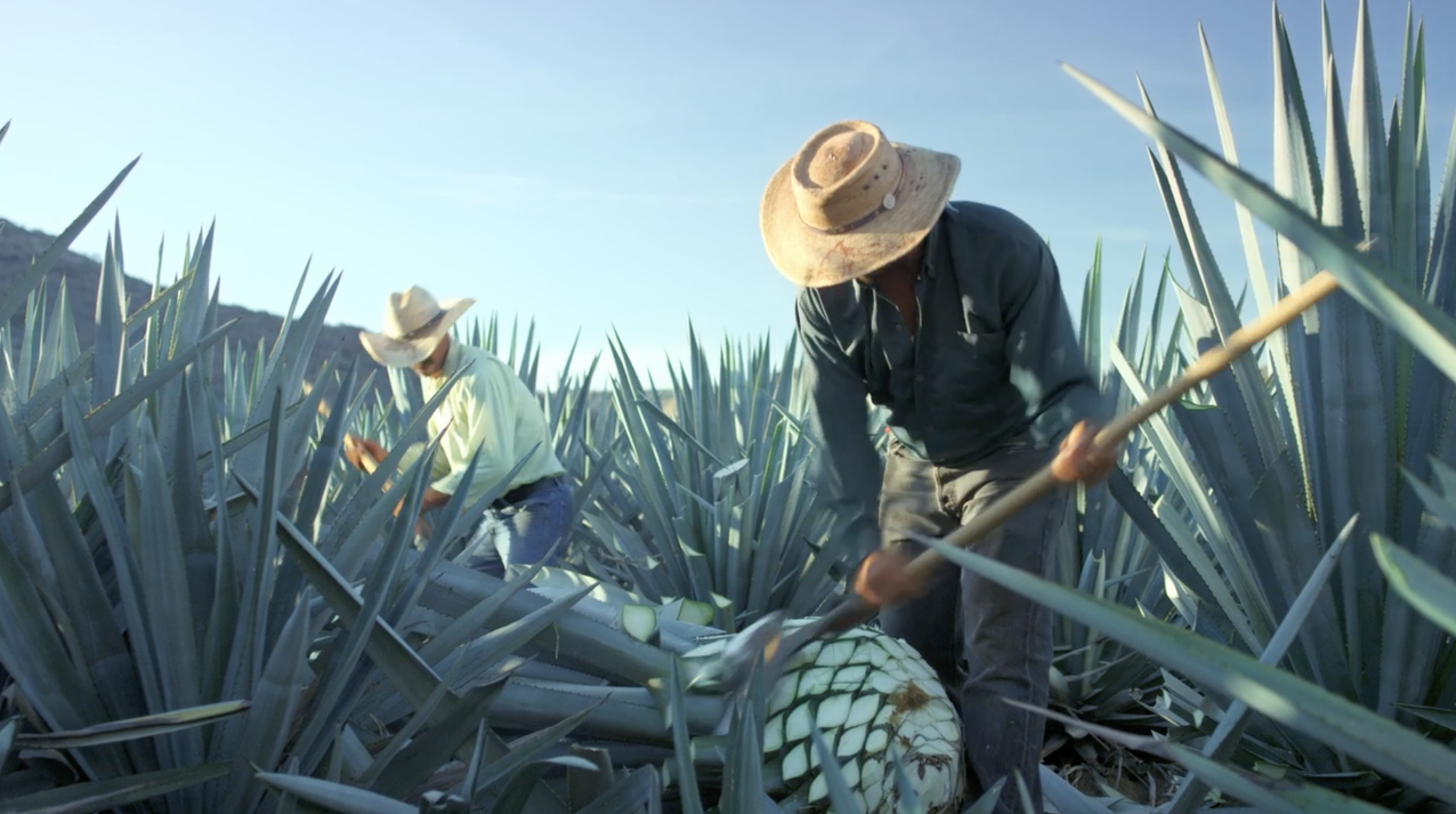
Tequila and mezcal both come from the agave plant, but they aren't the same thing. While they share a common history, the way they are made creates two very different drinks. It all starts with the agave heart, which provides the sugar and base flavor for both spirits.
Imagine a family tree: agave is the root, tequila and mezcal are branches that grew in different directions. Tequila, for the most part, focuses on one type of agave, while mezcal embraces a huge variety. Understanding this foundational relationship is the first step toward appreciating the nuances of each spirit, and what sets them apart. The differences aren't about quality, but about choice and tradition.” ],
Blue weber and other agave types
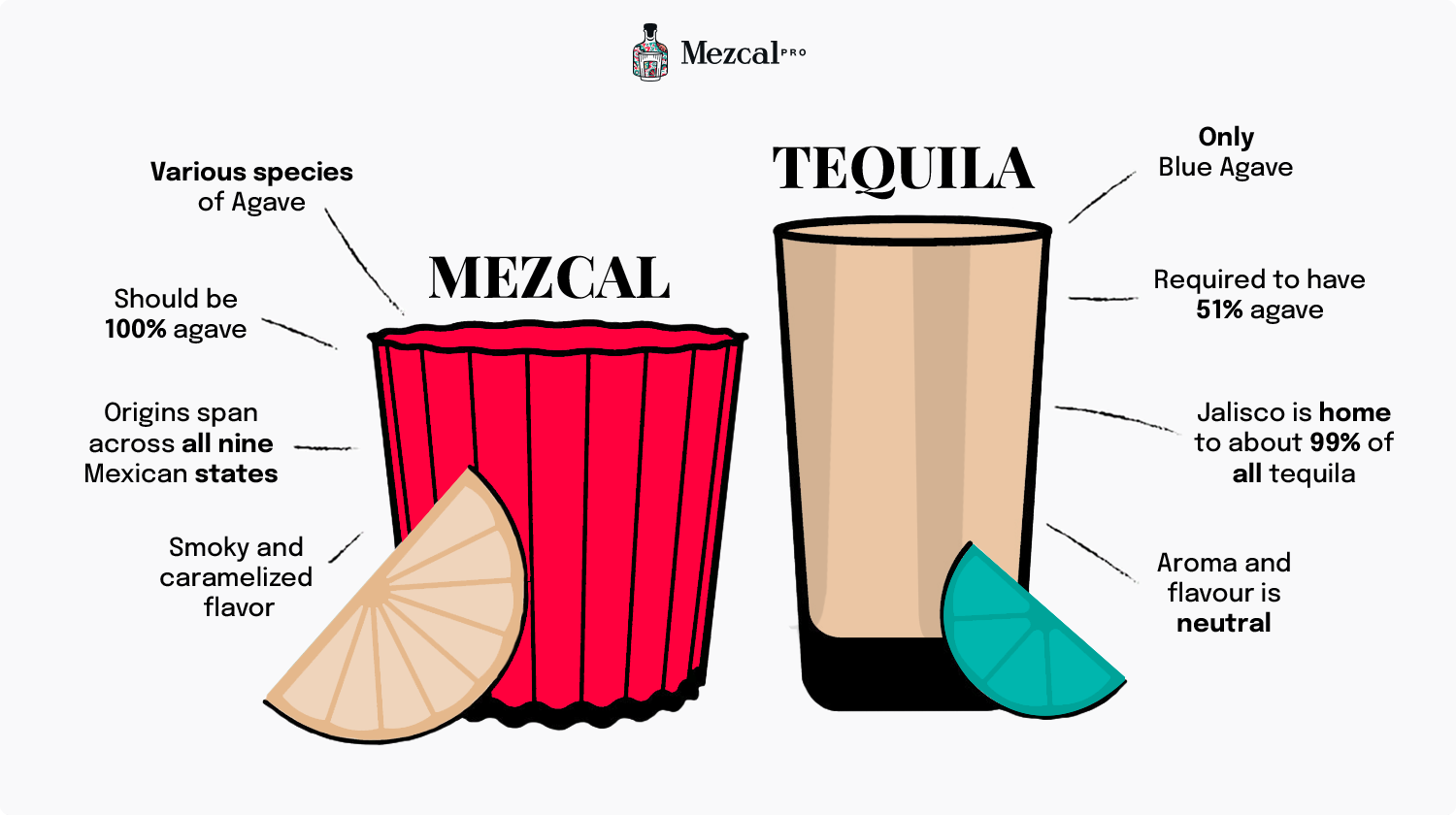
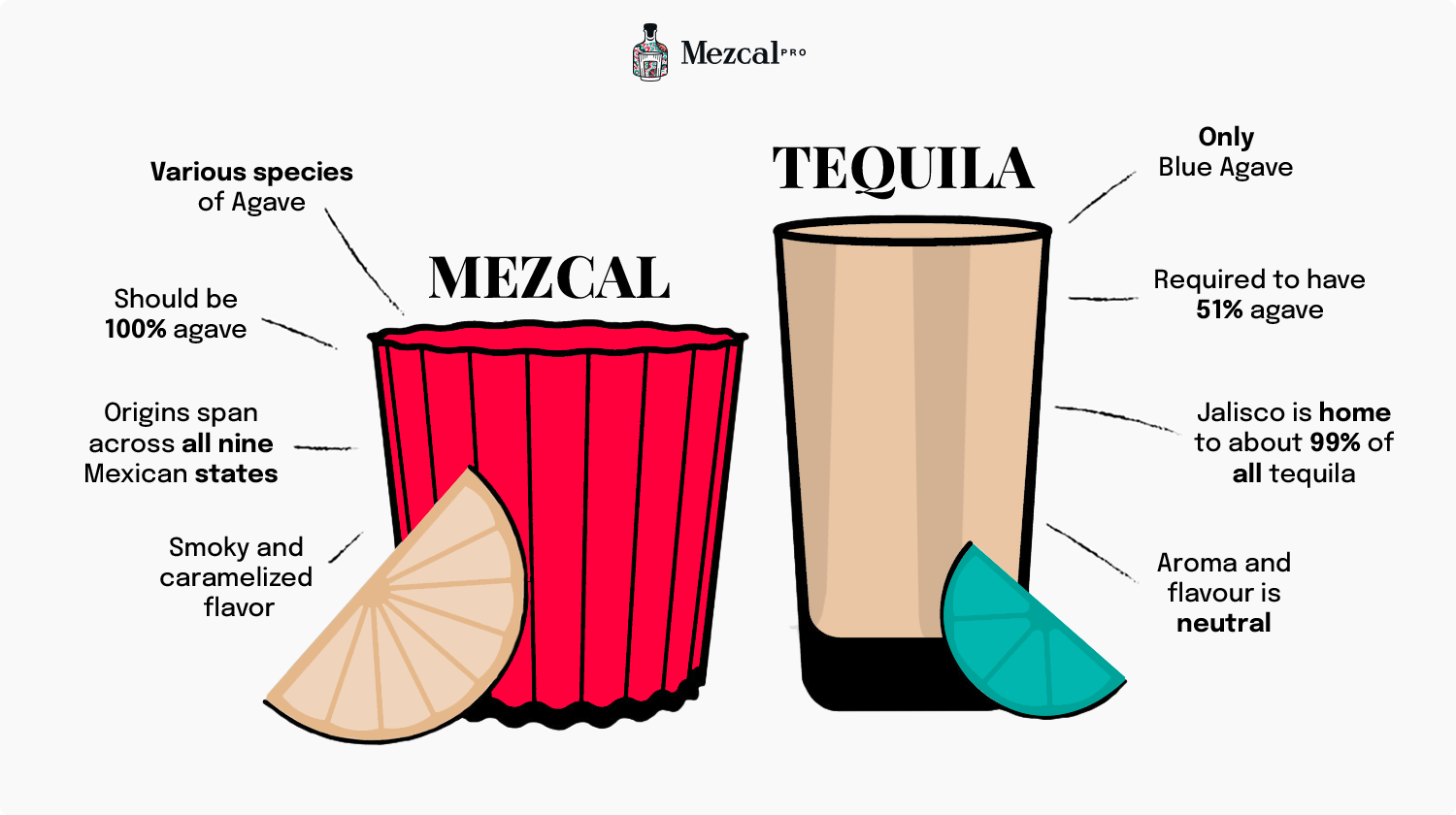
Tequila’s rules are pretty strict. To be legally called tequila, it must be made from the Blue Weber agave variety. This single type dominates the tequila industry, and its cultivation is largely concentrated in the state of Jalisco. While there’s a lot of quality within Blue Weber, it does mean less variation in the base flavor profile of tequila.
Mezcal, on the other hand, is a wild child. It can be made from over 30 different species of agave, each contributing unique characteristics. Espadín is the most common, accounting for around 90% of mezcal production, but you'll also find mezcal made from Tobalá, Tepeztate, Arroqueño, and many others. These different agaves yield wildly different flavors—from floral and fruity to earthy and savory. This diversity is a huge part of mezcal’s appeal.
The impact of agave type is substantial. Think of it like grapes for wine. A Cabernet Sauvignon tastes very different from a Pinot Noir. Similarly, a mezcal made with Tobalá agave will have a very different character than one made with Espadín. It’s a world of exploration for the agave spirit enthusiast.
Smoke vs. steam
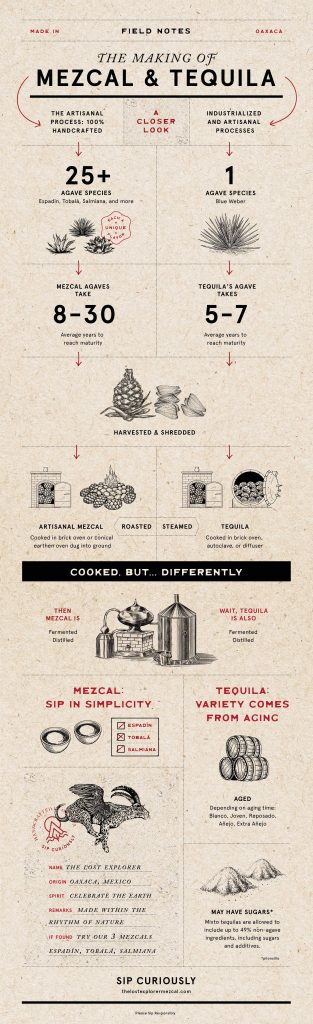
This is where the most significant divergence occurs. Traditional mezcal production involves cooking the agave hearts – the piñas – in earthen pits lined with hot stones. This pit roasting process imparts a smoky flavor that is synonymous with mezcal. The agave is covered with earth and allowed to cook for several days, absorbing the smoky aromas from the wood and earth.
Most tequila production, however, relies on industrial methods. Agave piñas are typically steamed in large autoclaves—essentially giant pressure cookers—or ovens. This more efficient method results in a cleaner, brighter flavor profile, stripping away much of the smoky character. While some tequila producers are experimenting with hornos (traditional brick ovens), steaming remains the dominant practice.
The cooking method profoundly affects the final product. The smoke in mezcal isn't just a flavor; it’s a reflection of a centuries-old tradition. It adds depth, complexity, and a sense of place. Tequila’s cleaner profile lends itself to different styles of cocktails and emphasizes the agave’s natural sweetness. It’s not that one is better, just different.
Some tequila brands try to mimic the depth of pit-roasted agave, but it rarely works at scale. The specific flavor from an earth oven is hard to fake, which is why traditional mezcal remains unique.
Fermentation & Distillation: Subtle Shifts
Both tequila and mezcal undergo fermentation and distillation, but the details matter. For fermentation, mezcal producers often rely on wild yeasts present in the environment, contributing to a more complex and unpredictable flavor. Tequila producers frequently use commercially cultivated yeasts for a more controlled fermentation process.
Distillation is another area of variation. Traditionally, mezcal is distilled in copper pot stills, which are thought to contribute to a smoother, more flavorful spirit. Many tequila distilleries use stainless steel stills, which can produce a higher-proof, cleaner spirit. Copper stills are becoming more common in tequila production, however, as producers seek to enhance flavor.
Tequila is usually double-distilled. Mezcal varies more, often stopping after one or two rounds. Generally, more distillation creates a cleaner spirit but strips away the raw agave taste. These aren't hard rules, though; I've seen tequila makers try single distillation to keep more of the plant's character.
Regulations: What the Labels Tell You
Tequila is governed by a strict set of regulations enforced by the Consejo Regulador del Tequila (CRT). The NOM number on a tequila bottle identifies the distillery and ensures that it meets certain standards. This NOM system is a strong guarantee of authenticity. Tequila is further categorized into Blanco (unaged), Reposado (aged 2-12 months), Añejo (aged 1-3 years), and Extra Añejo (aged over 3 years).
Mezcal’s regulatory landscape is more complex. While there is a Consejo Regulador del Mezcal (CRM), its oversight is less comprehensive than the CRT. There's been a growing concern about counterfeit mezcal, so looking for certifications like 'Origen' or 'Artesanal' can be helpful. These certifications indicate that the mezcal was produced using traditional methods and from 100% agave.
The categories for mezcal are similar to tequila—Blanco (unaged), Reposado (aged 2-12 months), and Añejo (aged over 1 year)—but the aging process impacts mezcal differently. The smoke character tends to mellow with age, but it doesn’t disappear entirely. Understanding these labels is key to choosing a bottle that aligns with your preferences.
- NOM: The distillery ID number on tequila bottles that proves it's legitimate.
- CRM (Mezcal): Consejo Regulador del Mezcal – provides some oversight, but less strict than NOM.
- 100% Agave: Indicates the spirit is made entirely from agave sugars, not added sugars.
- Origen/Artesanal (Mezcal): Certifications indicating traditional production methods.
Tequila vs. Mezcal: Key Regulatory Differences (2026 Outlook)
| Feature | Tequila | Mezcal |
|---|---|---|
| Governing Body | Comité Regulador del Tequila (CRT) | Consejo Regulador del Mezcal (CRM) |
| Agave Varieties Allowed | Primarily Blue Weber agave (at least 51% for mixto; 100% for 100% agave tequila) | Over 30 different agave varieties are permitted, including Espadín, Tobalá, and Arroqueño |
| Production Region | Specific delimited regions within the states of Jalisco, Guanajuato, Michoacán, Nayarit, and Tamaulipas | Nine states currently certified: Oaxaca, Guerrero, Durango, San Luis Potosí, Zacatecas, Guanajuato, Michoacán, Puebla, and Tamaulipas |
| Production Methods | Typically cooked in industrial ovens (autoclaves or hornos), then fermented and distilled. Modern, efficient processes are common. | Traditionally cooked in earthen pits lined with lava rocks, fermented, and distilled. Often utilizes more artisanal methods. |
| Labeling Requirements | Must clearly state the tequila category (Blanco, Reposado, Añejo, Extra Añejo, Joven/Gold). 100% agave tequilas are distinctly labeled. | Must indicate the agave variety used and the state of production. Labels often highlight the maestro mezcalero and production techniques. |
| Certification Options | CRT certification guarantees adherence to tequila standards. Denominación de Origen Protegida (DOP) status further protects the origin and quality. | CRM certification ensures compliance with mezcal regulations. Authenticity is increasingly important to consumers. |
| Flavor Profile (General) | Typically exhibits notes of citrus, agave sweetness, and pepper, varying with aging. | Generally smoky, earthy, and complex, with a wider range of flavor profiles depending on the agave variety and production method. |
Illustrative comparison based on the article research brief. Verify current pricing, limits, and product details in the official docs before relying on it.
Flavor Profiles: A Head-to-Head
Tequila generally presents a brighter, more approachable flavor profile. Expect notes of citrus, sweetness, and pepper, with a clean finish. Blanco tequilas are often bursting with agave flavor, while Reposados and Añejos develop more complex flavors from oak aging—vanilla, caramel, and spice.
Mezcal, in contrast, is known for its smoky, earthy, and often floral notes. The smokiness is the most defining characteristic, but it's typically balanced by a range of other flavors depending on the agave variety and production methods. Some mezcals have fruity or herbal notes, while others are more savory and mineral-driven.
When tasting, take a moment to appreciate the aroma. With tequila, look for bright agave notes. With mezcal, embrace the smoke. Take a small sip and let it coat your palate. Pay attention to the finish—how long the flavors linger. Both spirits can be enjoyed neat, but they also shine in cocktails.
Mezcal & Tequila Cocktails: Beyond Margaritas
Tequila’s versatility makes it a star in classic cocktails. The Margarita, Paloma, and El Diablo are all excellent choices. Its brighter flavors lend themselves well to fruity and refreshing drinks. But don’t limit yourself – tequila can also hold its own in more complex cocktails.
Mezcal’s smoky character adds a unique dimension to cocktails. An Oaxacan Old Fashioned, made with mezcal instead of whiskey, is a revelation. A Mezcal Negroni offers a smoky twist on a classic. And a Mezcal Mule, with its ginger beer and lime, is a surprisingly refreshing combination.
I’ve found that mezcal’s flavor can really elevate a cocktail. It's not just about adding smoke; it's about adding depth and complexity. It can transform a familiar drink into something entirely new. Don’t be afraid to experiment!
- Margarita (Tequila): Tequila, lime juice, orange liqueur.
- Paloma (Tequila): Tequila, grapefruit soda, lime juice.
- Oaxacan Old Fashioned: A mix of mezcal, agave nectar, and bitters.
- Mezcal Mule (Mezcal): Mezcal, ginger beer, lime juice.
Essential Barware for Your Tequila and Mezcal Cocktails
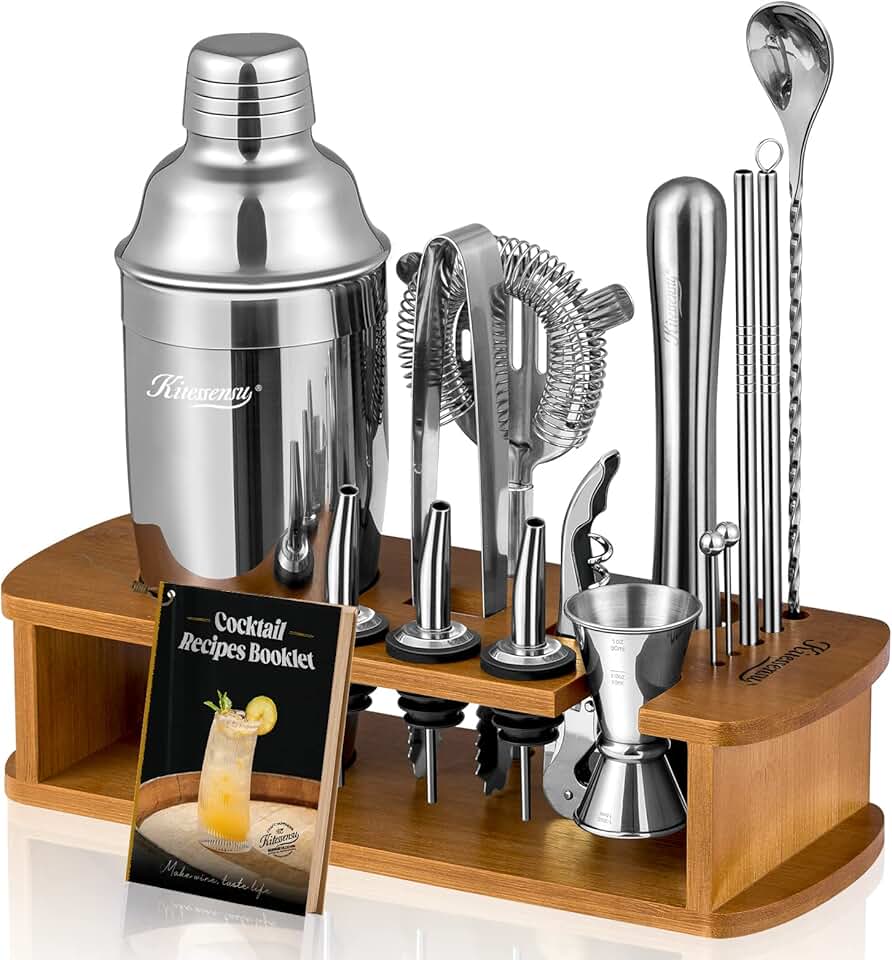
Complete 12-piece bartender kit with a stylish bamboo stand · Includes shaker, jigger, strainer, mixer spoon, muddler, and pourers · Made from durable, food-grade stainless steel
Equip yourself with the right tools to expertly craft both tequila and mezcal cocktails.

Japanese-style double jigger for precise cocktail measurements · Made from premium 304 stainless steel · Clearly marked interior measurements (2 oz and 1 oz)
Equip yourself with the right tools to expertly craft both tequila and mezcal cocktails.
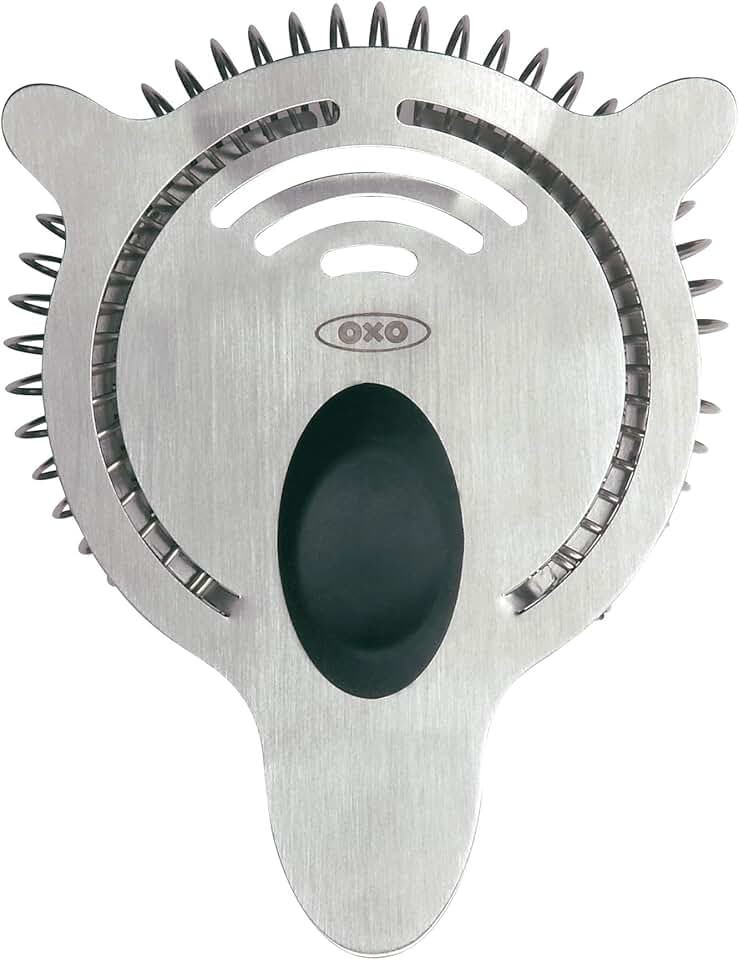
Durable stainless steel construction · Designed for comfortable grip and efficient straining · Features a perforated interior to catch ice and pulp
Equip yourself with the right tools to expertly craft both tequila and mezcal cocktails.

Authentic Sal de Gusano (worm salt) from Oaxaca, Mexico · Made with agave worms, chili peppers, and salt · Comes in a gift box, perfect for pairing with tequila and mezcal
Equip yourself with the right tools to expertly craft both tequila and mezcal cocktails.

Set of 4 crystal tasting glasses, each holding 5 oz · Designed for savoring mezcal and spirits · Stemless design for stability and comfort
Equip yourself with the right glassware to expertly savor both tequila and mezcal.
As an Amazon Associate I earn from qualifying purchases. Prices may vary.
No comments yet. Be the first to share your thoughts!