

The Heart of Tequila: Blue Agave
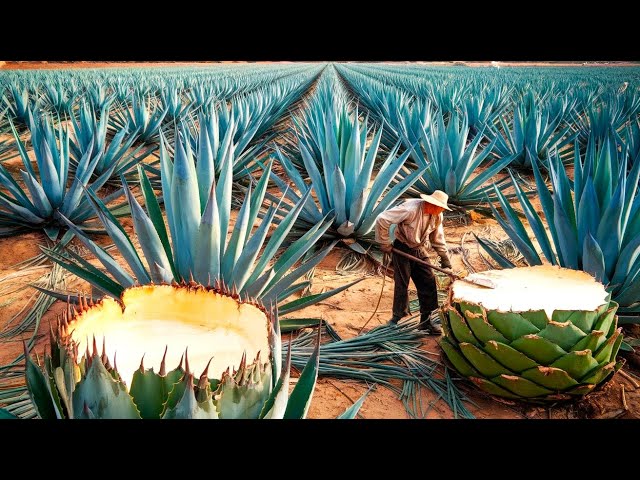
Tequila, at its most fundamental, is an agave spirit. But not just any agave; it’s the Agave tequilana Weber blue variety that gives tequila its distinct character. This plant, often mistaken for a cactus, is actually a succulent, and it’s unique to a relatively small region of Mexico. It takes years of careful cultivation to reach maturity, and the quality of the agave directly impacts the final spirit.
The lifecycle of the blue agave is a long one. Plants are typically propagated from offshoots, called hijuelos, and require around five to eight years – sometimes even longer – to fully mature. This extended growth period is a significant investment for tequila producers. You can really taste the patience in a good tequila. The plant's heart, the piña, is the only part used to make tequila.
Legally, true tequila can only be produced in specific designated regions of Mexico, primarily in the state of Jalisco, along with limited areas in Guanajuato, Michoacán, Nayarit, and Tamaulipas. The Consejo Regulador del Tequila (CRT) strictly enforces these geographical limitations to ensure authenticity and quality. This isn’t just about tradition; it’s about the unique soil and climate conditions that contribute to the agave's flavor profile. The CRT plays a vital role in protecting the integrity of tequila.
From Field to Distillery: Harvesting Agave
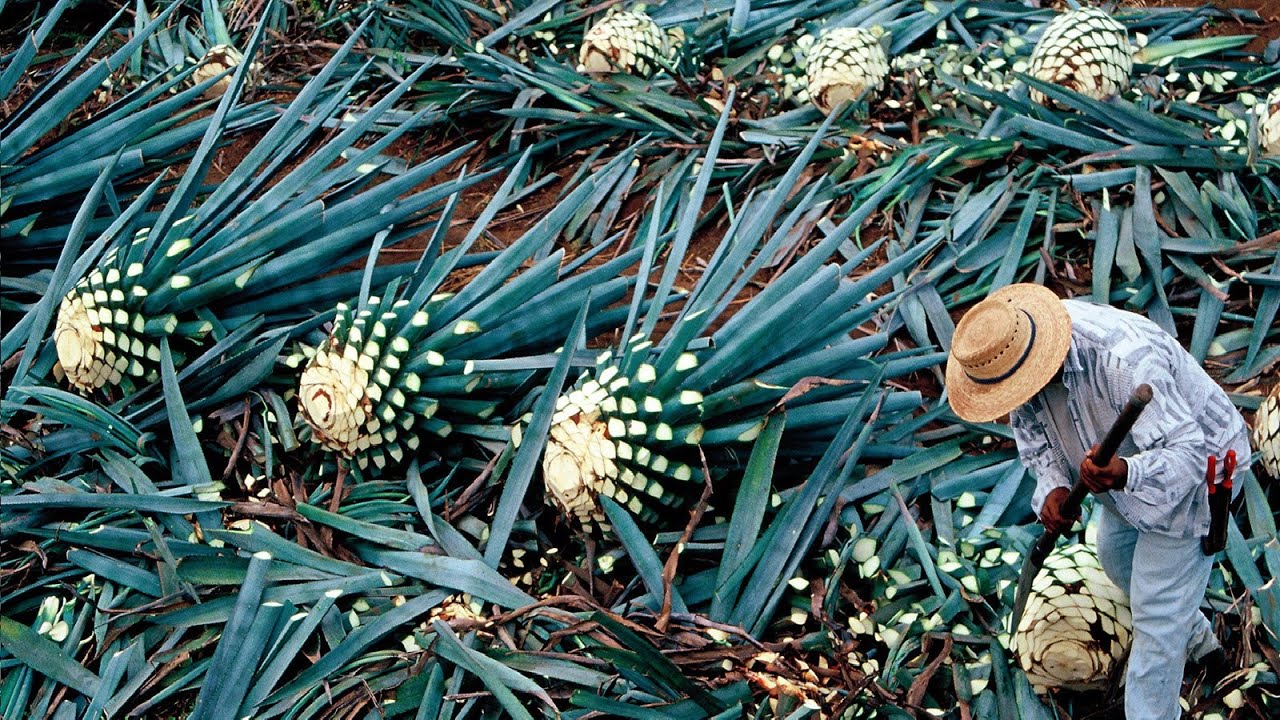
Harvesting the agave is a demanding, highly skilled job traditionally performed by jimadores. These experts use a specialized tool called a coa de jima – a long-handled, flat-bladed instrument – to expertly remove the leaves, revealing the heart of the agave, the piña. It's an art form passed down through generations, requiring both strength and precision.
A skilled jimador can harvest around 30-50 piñas per day, each weighing anywhere from 80 to 200 pounds. They need to assess the maturity of the agave – looking for signs like the widening of the leaves and a change in color – because the sugar content is crucial for fermentation. Harvesting too early or too late will both negatively affect the final product. The timing is everything.
Selecting mature agave isn’t just about sugar levels; it also impacts the complexity of the tequila. Agave harvested at peak maturity will have a wider range of flavor compounds, contributing to a more nuanced and interesting spirit. It’s a physically grueling profession, often done in challenging terrain, and the jimadores deserve immense respect for their craft.
- Piñas are weighed to determine sugar content.
- They are then transported to the distillery for processing.
Cooking the Piñas: Extracting Sugars
Once harvested, the agave piñas need to be cooked to convert the complex carbohydrates (starches) into fermentable sugars. Traditionally, this was done in brick ovens called hornos, where the piñas are slowly roasted for 24-72 hours. This slow cooking process imparts a distinctive cooked agave flavor to the tequila. It’s a labor-intensive method, but many producers believe it results in a superior product.
Modern distilleries often utilize autoclaves – large, industrial pressure cookers – to cook the agave more quickly and efficiently. Autoclaves can process piñas in a matter of hours, but some argue that this rapid cooking doesn’t allow for the same level of flavor development. I’m not convinced one method is definitively better; the skill of the distiller is arguably more important.
During the cooking process, enzymes break down the starches into simpler sugars like fructose and glucose. These sugars are essential for fermentation, providing the fuel for the yeast to create alcohol. The type of cooking method, the duration, and even the humidity within the oven or autoclave all contribute to the final flavor profile of the tequila. It’s a complex transformation.
Fermentation and Distillation: The Making of Alcohol
Fermentation is the process where yeast converts the agave sugars into alcohol. Distilleries can use naturally occurring yeasts present in the agave or cultivated yeast strains. Natural fermentation can lead to more complex flavors, but it's also less predictable. Cultivated yeasts offer more control but may result in a less unique profile. The length of fermentation varies, typically lasting anywhere from a few days to a couple of weeks.
Distillation is the next critical step, separating the alcohol from the fermented agave liquid, known as mosto. Most tequila distilleries use either copper pot stills or column stills – or a combination of both. Copper pot stills generally produce a tequila with more character and complexity, while column stills yield a cleaner, more refined spirit. Multiple distillations are common, with most tequilas being distilled twice.
Each distillation increases the alcohol content and refines the flavor. The distiller carefully separates the 'heads' and 'tails' – the undesirable fractions containing unwanted compounds – leaving the 'heart,' which is the desired tequila. The skill of the distiller in this process is paramount. It requires a keen sense of smell and taste, and years of experience to achieve a balanced and flavorful tequila.
The choice between pot and column stills, the number of distillations, and the precision of the cut all contribute to the tequila’s final character. It’s a delicate balance between tradition and technology, and each distillery approaches it differently. Ultimately, the goal is to create a tequila that’s both smooth and flavorful.
- Fermentation length: 3-14 days
- Distillation: Typically twice, using pot or column stills
Tequila Types: Blanco, Reposado, and Beyond
Tequila is classified into several types, based primarily on aging. Blanco (also known as silver) tequila is bottled immediately after distillation or rested in stainless steel tanks for up to 60 days. This showcases the purest expression of the agave. It’s often vibrant and assertive, with bright citrus notes.
Reposado tequila is aged in oak barrels for between two months and less than a year. The aging process imparts a golden hue and adds subtle notes of vanilla, caramel, and spice. The type of oak used – American, French, or a blend – influences the final flavor profile. It’s a good entry point for those new to aged tequilas.
Añejo tequila is aged in oak barrels for one to three years. This extended aging results in a darker color and more complex flavors, reminiscent of bourbon or cognac. It’s typically smoother and more refined than Blanco or Reposado. Extra Añejo tequila is aged for more than three years, developing even richer and more complex flavors.
A relatively new category, Cristalino tequila, is a Blanco tequila that has been aged in barrels and then filtered to remove the color, leaving a clear spirit with the flavors of aging. This style has gained popularity in recent years, offering a unique combination of smoothness and complexity. The choice ultimately depends on personal preference.
100% Agave vs. Mixto: What’s the Difference?
Understanding the difference between “100% agave” and “mixto” tequila is crucial for appreciating quality. 100% agave tequila, as the name suggests, is made entirely from the sugars of the blue agave plant. No other sugars or additives are permitted. This is generally considered the higher quality tequila.
Mixto tequila, on the other hand, can contain up to 49% other sugars, typically cane sugar or corn syrup. Coloring agents and other additives are also allowed. While mixto tequilas are often less expensive, they generally lack the complexity and nuance of 100% agave tequilas. The CRT regulates both types, but the standards for 100% agave are far more stringent.
The price difference between 100% agave and mixto tequila can be significant. You can find basic mixto tequilas for under $20 a bottle, while a quality 100% agave tequila will typically cost $40 or more. The added sugars in mixto tequilas can sometimes mask imperfections, but they also detract from the true agave flavor. For a genuine tequila experience, 100% agave is the way to go.
100% Agave Tequila vs. Mixto Tequila: A Comparison
| Characteristic | 100% Agave Tequila | Mixto Tequila |
|---|---|---|
| Ingredients | Made exclusively from Blue Weber Agave sugars. | Contains at least 51% Blue Weber Agave sugars; up to 49% other sugars (typically cane sugar or corn syrup) are permitted. |
| Production Process | Agave is traditionally cooked, crushed, fermented, and distilled. Production focuses on preserving the agave’s natural flavors. | Similar process to 100% Agave, but the addition of other sugars alters fermentation and distillation. Can involve more rapid production methods. |
| Flavor Profile | Complex and nuanced, showcasing the distinct flavors of the agave – often exhibiting earthy, fruity, or floral notes. | Generally smoother and sweeter due to added sugars. Agave flavor is less pronounced and can be masked by other ingredients. |
| Legal Requirements | Must be produced in specific designated regions of Mexico and adhere to strict regulations regarding agave source and production methods. | Must be produced in Mexico, but has more lenient regulations regarding agave content. Still subject to tequila production standards. |
| Quality Perception | Generally considered higher quality due to the purity of ingredients and production process. | Often positioned as a more affordable option, but generally perceived as lower quality. |
| Typical Cost | Typically more expensive due to the higher cost of 100% agave and more labor-intensive production. | Generally less expensive due to the use of other sugars and potentially faster production. |
| Common Examples | Many premium and ultra-premium tequilas fall into this category, such as many offerings from Altos, Don Ramon, and Sauza. | Some value-priced tequila brands and mixed-drink focused tequilas may be Mixto. |
Illustrative comparison based on the article research brief. Verify current pricing, limits, and product details in the official docs before relying on it.
Tequila and Mezcal: Cousins, Not Twins
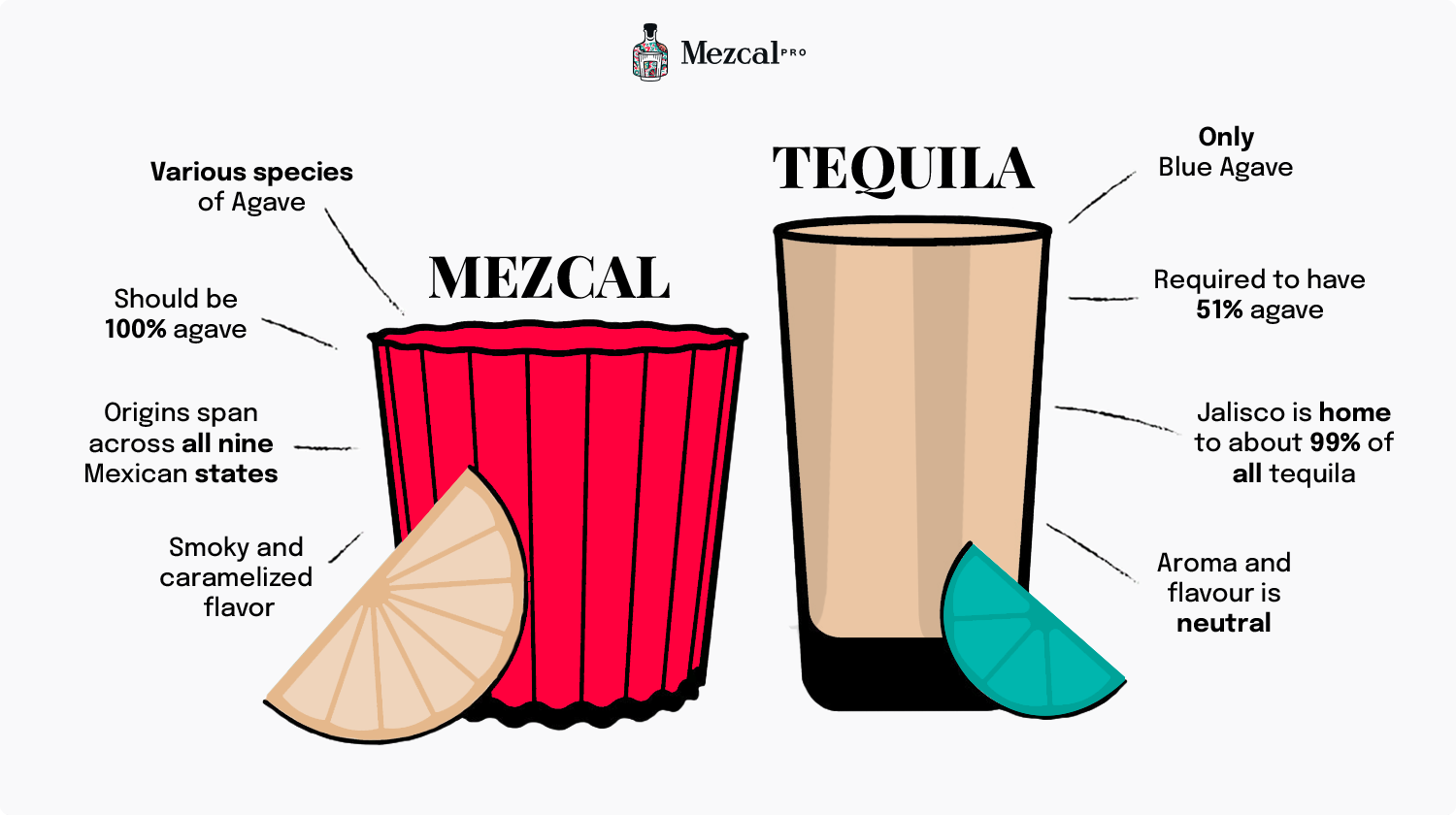
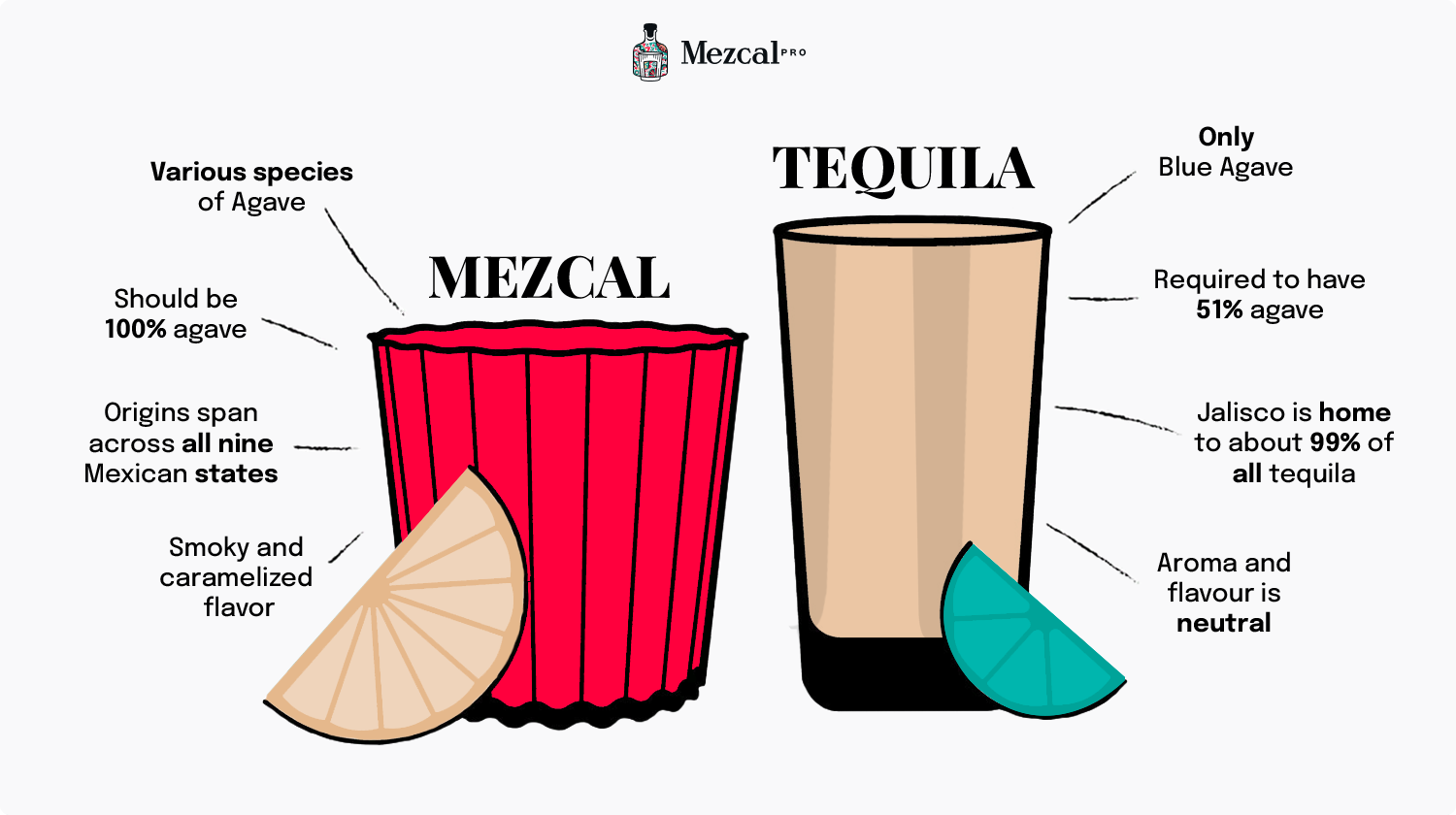
Tequila and mezcal are both agave spirits made in Mexico, but they are distinctively different. While tequila can only be made from the blue agave, mezcal can be made from over 30 different varieties of agave. This wider range of agave contributes to the diverse flavor profiles of mezcal.
The production process also differs. Mezcal is traditionally cooked in pibes – earthen ovens – which impart a smoky flavor to the spirit. Tequila, as we’ve discussed, is typically cooked in hornos or autoclaves. The smoky flavor is a defining characteristic of most mezcals, though some producers are experimenting with different cooking methods to create less smoky expressions.
Despite being cousins, tequila and mezcal appeal to different palates. Tequila is often brighter and more floral, while mezcal is typically more earthy and complex. Both are incredibly versatile spirits, enjoyed neat, in cocktails, or with food. They both deserve exploration and appreciation.
The Future of Agave: Sustainability and Innovation
The increasing global demand for tequila poses significant challenges to agave production. Concerns about sustainability, climate change, and the potential for disease outbreaks are driving research and innovation within the industry. Efforts are being made to promote sustainable farming practices, such as water conservation and responsible land management.
Researchers are also working to develop disease-resistant agave varieties to protect against threats like Agave Americana wilt, a devastating fungal infection. The future of tequila depends on ensuring the long-term health of the agave plant and the communities that cultivate it. It’s a complex issue with no easy solutions, but the industry is actively addressing these challenges.
No comments yet. Be the first to share your thoughts!