

Tequila's shift toward algorithms
The margarita is no longer the only goal for tequila drinkers. Software now builds recipes by scanning flavor compounds and historical data. These systems don't just automate mixing; they suggest combinations based on chemical compatibility that a standard bartender might miss.
This isn't simply a trend for tech enthusiasts. The rise of sophisticated home bartending, fueled by readily available information and high-quality ingredients, is driving demand for novel experiences. People want more than just the classics. They want drinks tailored to their tastes, inspired by global flavors, and frankly, a little bit surprising. AI is stepping in to fill that gap.
Looking ahead to 2026, the influence of AI on tequila mixology will be undeniable. We're already seeing the early stages of this shift, with AI-generated recipes gaining traction in bars and homes. The next few years promise a wave of innovative tequila cocktails, born not from a bartender’s intuition, but from the cold, calculating logic of algorithms. These aren’t just tweaked versions of old favorites, they’re genuinely new creations.
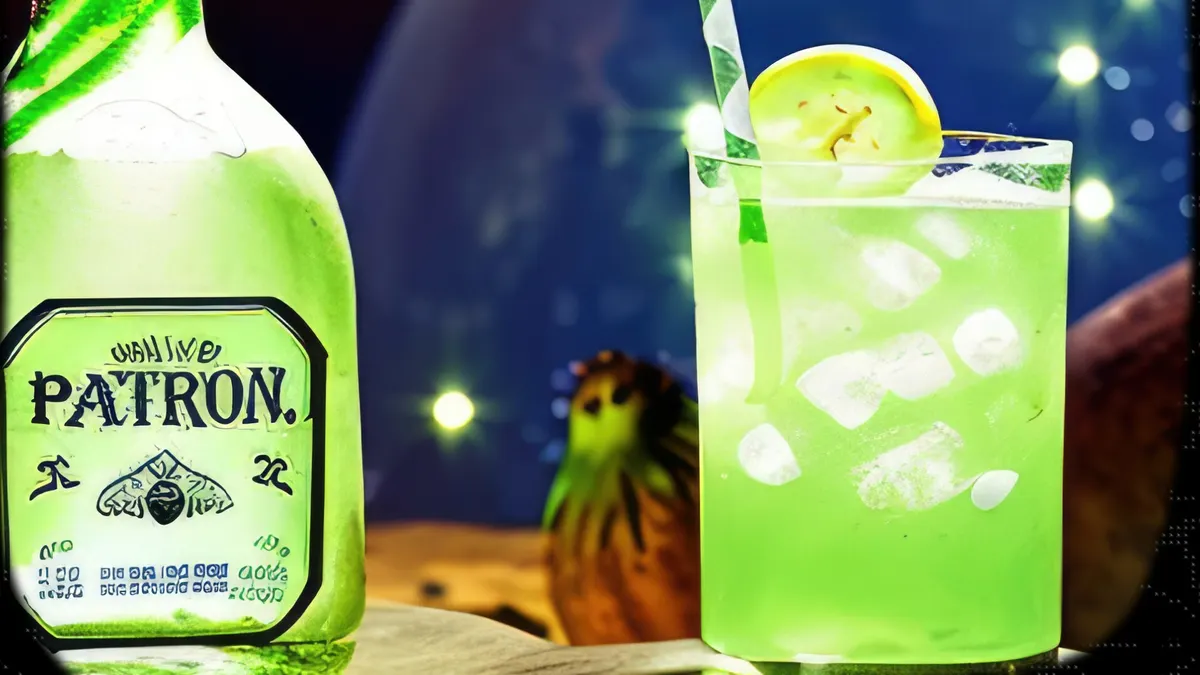
How software builds a drink
At the heart of AI-driven cocktail creation are large language models (LLMs). These aren’t programs that "understand’ flavor in the human sense, but rather incredibly powerful pattern-matching engines. They"re trained on massive datasets – in this case, thousands upon thousands of existing cocktail recipes, culinary databases, and even scientific papers on flavor chemistry.
The process isn’t random. AI considers a multitude of factors when generating a new recipe. Seasonality plays a big role; an algorithm might favor lighter, more refreshing drinks in the summer and warmer, spicier concoctions in the winter. Regional preferences are also factored in, recognizing that tastes vary widely across the globe. Current food trends – the popularity of certain spices, fruits, or culinary styles – are constantly being analyzed and incorporated.
Data specifically related to tequila is, of course, crucial. The AI learns the nuances of different tequila types – Blanco, Reposado, Añejo, and Extra Añejo – understanding their distinct flavor notes and how they interact with other ingredients. It analyzes which tequilas pair well with specific fruits, herbs, and spices. But it’s important to remember that AI doesn’t "create" in the way a human does. It identifies patterns, optimizes for specific outcomes, and presents the most statistically likely combination based on its training data.
10 Trending Tequila Cocktails for 2026
These ten recipes come from current data on flavor pairings. While a human tested the final ratios, the core concepts started with algorithmic suggestions. You'll likely see these combinations show up on menus by 2026.
1. Spiced Pineapple Sol: A vibrant blend of Blanco tequila, grilled pineapple juice, a hint of chili liqueur, and lime. AI Rationale: The algorithm identified a growing consumer interest in spicy-sweet flavor combinations and the pairing of tequila with tropical fruits. 1.5oz Blanco tequila, 3oz grilled pineapple juice, 0.5oz chili liqueur, 0.75oz lime juice. Shake with ice and strain into a rocks glass.
2. Smoked Agave Sour: A sophisticated twist on a classic sour, featuring Añejo tequila, mezcal, agave nectar, lemon juice, and a dash of smoked paprika. AI Rationale: The AI noted a growing appreciation for complex, spirit-forward cocktails and the complementary nature of tequila and mezcal. 1.5oz Añejo tequila, 0.5oz mezcal, 1oz lemon juice, 0.75oz agave nectar, 1 dash smoked paprika. Shake and strain into a coupe glass.
3. Hibiscus Paloma 2.0: A reimagining of the Paloma, incorporating hibiscus syrup, grapefruit soda, Blanco tequila, and a pinch of salt. AI Rationale: Hibiscus provides a floral complexity that complements the citrus notes of grapefruit and tequila. 2oz Blanco tequila, 4oz grapefruit soda, 1oz hibiscus syrup, pinch of salt. Build in a highball glass with ice.
4. Chili Mango Margarita: A fiery and fruity margarita with Blanco tequila, mango puree, chili-infused simple syrup, and lime juice. AI Rationale: The algorithm recognized the popularity of mango margaritas and the growing trend of incorporating chili peppers into cocktails. 1.5oz Blanco tequila, 2oz mango puree, 1oz chili-infused simple syrup, 0.75oz lime juice. Shake and strain into a salt-rimmed glass.
5. Lavender-Infused Blanco Breeze: A refreshing and aromatic cocktail with Blanco tequila, lavender syrup, lemon juice, and sparkling water. AI Rationale: Lavender provides a calming floral note that pairs well with the agave flavors of tequila. 1.5oz Blanco tequila, 1oz lavender syrup, 0.75oz lemon juice, top with sparkling water. Build in a highball glass with ice.
6. Cucumber Jalapeño Tequila Cooler: A light and spicy cooler featuring Blanco tequila, muddled cucumber, jalapeño slices, lime juice, and soda water. AI Rationale: The AI predicted an increased desire for refreshing, low-sugar cocktails with a kick. 2oz Blanco Tequila, ½ cucumber (muddled), 2-3 jalapeño slices, 1oz lime juice, top with soda water. Muddle cucumber and jalapeño, add tequila and lime juice, shake with ice, strain into a highball glass, and top with soda water.
7. Coconut Cream Tequila Old Fashioned: A tropical take on the classic Old Fashioned, using Reposado tequila, coconut cream, and Angostura bitters. AI Rationale: Pairing the familiar Old Fashioned format with unexpected tropical flavors was predicted to appeal to a wide range of palates. 2oz Reposado tequila, 1oz coconut cream, 2 dashes Angostura bitters, orange peel for garnish. Stir with ice and strain into a rocks glass.
8. Prickly Pear & Lime Margarita: A visually striking and flavorful margarita featuring Blanco tequila, prickly pear puree, lime juice, and a splash of orange liqueur. AI Rationale: The AI identified the increasing popularity of unique fruit purees and vibrant colors in cocktails. 1.5oz Blanco tequila, 2oz prickly pear puree, 0.75oz lime juice, 0.5oz orange liqueur. Shake and strain into a salt-rimmed glass.
9. Guava & Rosemary Paloma: A sophisticated Paloma variation with Blanco tequila, guava nectar, rosemary simple syrup, and grapefruit soda. AI Rationale: The herbal notes of rosemary were predicted to complement the sweetness of guava and the tartness of grapefruit. 2oz Blanco tequila, 4oz grapefruit soda, 1oz guava nectar, 0.75oz rosemary simple syrup. Build in a highball glass with ice.
10. Chocolate & Coffee Tequila Martini: A decadent after-dinner cocktail with Reposado tequila, coffee liqueur, chocolate liqueur, and a dash of orange bitters. AI Rationale: The algorithm identified a gap in the market for tequila-based dessert cocktails. 1.5oz Reposado tequila, 1oz coffee liqueur, 0.75oz chocolate liqueur, 1 dash orange bitters. Stir with ice and strain into a chilled martini glass.
Matching tequila styles to code
The type of tequila used significantly influences the AI’s recipe choices. Blanco tequila, known for its bright, agave-forward flavor, is frequently favored for refreshing, citrus-based cocktails like Palomas and margaritas. The AI recognizes its versatility and ability to complement a wide range of fruits and herbs.
Reposado tequila, aged briefly in oak barrels, adds a subtle complexity and warmth. AI often utilizes Reposado in spirit-forward cocktails like Old Fashioneds or Sours, where its nuanced flavor profile can shine. You'll see it frequently paired with richer ingredients like chocolate or caramel.
Añejo and Extra Añejo tequilas, aged for longer periods, are reserved for more sophisticated and complex creations. The AI tends to recommend these for sipping cocktails or those that benefit from a deeper, more layered flavor profile. The data suggests a growing demand for Cristalino tequila - a clear tequila aged in oak - and the AI is starting to incorporate it into more recipes, predicting its rising popularity.
It's not just about flavor, though. AI also factors in price points and availability. While it might conceptually prefer a rare, limited-edition tequila for a particular cocktail, the algorithm will often adjust the recipe to utilize a more widely available and affordable option. This ensures that the resulting cocktails are accessible to a wider audience.
Garnishes and visual trends
AI's influence extends beyond the liquid in the glass. It's also actively shaping cocktail presentation. The algorithms are analyzing visual data – images of cocktails from around the world – to identify trending garnish styles and glassware pairings. There’s a clear move towards minimalist aesthetics, with a focus on clean lines and elegant simplicity.
Edible flowers, dehydrated fruits, and other visually appealing elements are becoming increasingly common, driven in part by AI’s suggestions. The AI isn't just randomly selecting garnishes, though. It’s considering flavor pairings – a sprig of rosemary with a guava cocktail, for example – and even the psychological impact of color and texture.
Personalization is the next step. Systems can already filter for allergies or specific dietary needs to swap out ingredients. While glassware design remains largely human-led, data helps select the right glass to trap specific aromas or maintain temperature.
The mezcal distinction
Tequila and mezcal, while both agave-based spirits, are distinctly different. AI readily recognizes these differences, analyzing the unique flavor profiles of each spirit – the smoky notes of mezcal versus the cleaner, more agave-forward flavor of tequila. This understanding informs its recipe choices, ensuring that the right spirit is used for the desired effect.
The AI is predicting a continued rise in mezcal-based cocktails, particularly those that highlight its smoky character. It consistently recommends pairings with citrus fruits, spicy peppers, and herbaceous ingredients. However, the AI also acknowledges the cultural significance of each spirit and avoids simply substituting one for the other without considering the historical context.
While AI can create recipes using both spirits, it’s crucial to remember that it doesn’t "understand’ the cultural heritage behind them. It’s a tool that can be used to explore new flavor combinations, but it shouldn"t be seen as a replacement for human understanding and appreciation.
The Future of AI and Tequila
The integration of AI and tequila is just beginning. In the future, we could see AI-powered systems that create truly personalized cocktails based on a user’s individual taste preferences, dietary restrictions, and even biometric data. Imagine a cocktail tailored to your mood, your health, and your genetic makeup.
We might also see AI-powered robots serving drinks in bars and restaurants, capable of crafting complex cocktails with precision and consistency. Beyond mixology, AI could potentially help to discover new and innovative tequila production methods, optimizing fermentation processes and identifying unique agave varietals.
However, it’s crucial to remember that human creativity will always be essential. AI is a powerful tool, but it’s ultimately a tool. The best cocktails will likely be those that combine the precision and efficiency of AI with the artistry and intuition of a skilled bartender. The future of tequila cocktails is a collaboration, not a replacement.
No comments yet. Be the first to share your thoughts!