

Beyond Blanco: A 2026 Tequila Forecast
The tequila market is booming. Demand is rising, fueled by a growing appreciation for quality and sophisticated drinking experiences. People are shifting away from shooting tequila towards sipping it neat or in crafted cocktails. This premiumization is a major trend, and it's showing no signs of slowing down.
A significant trend is the rise of cristalino tequila, an innovation that has captured the attention of both seasoned drinkers and newcomers. However, this expansion faces challenges. Agave shortages, due to increased demand and climate factors, are impacting supply chains and driving up prices.
These supply issues mean that tequila quality is paramount. It's about finding a bottle from a producer committed to sustainable practices and excellent spirit production. Brands that prioritize quality agave sourcing and traditional production techniques will thrive. Attention will likely focus even more on provenance and transparency.
More distilleries will likely experiment with different agave varietals. While Blue Weber remains dominant, curiosity is growing about the flavors from other agave species. This is a time of innovation and refinement for tequila, even as real-world hurdles are navigated.
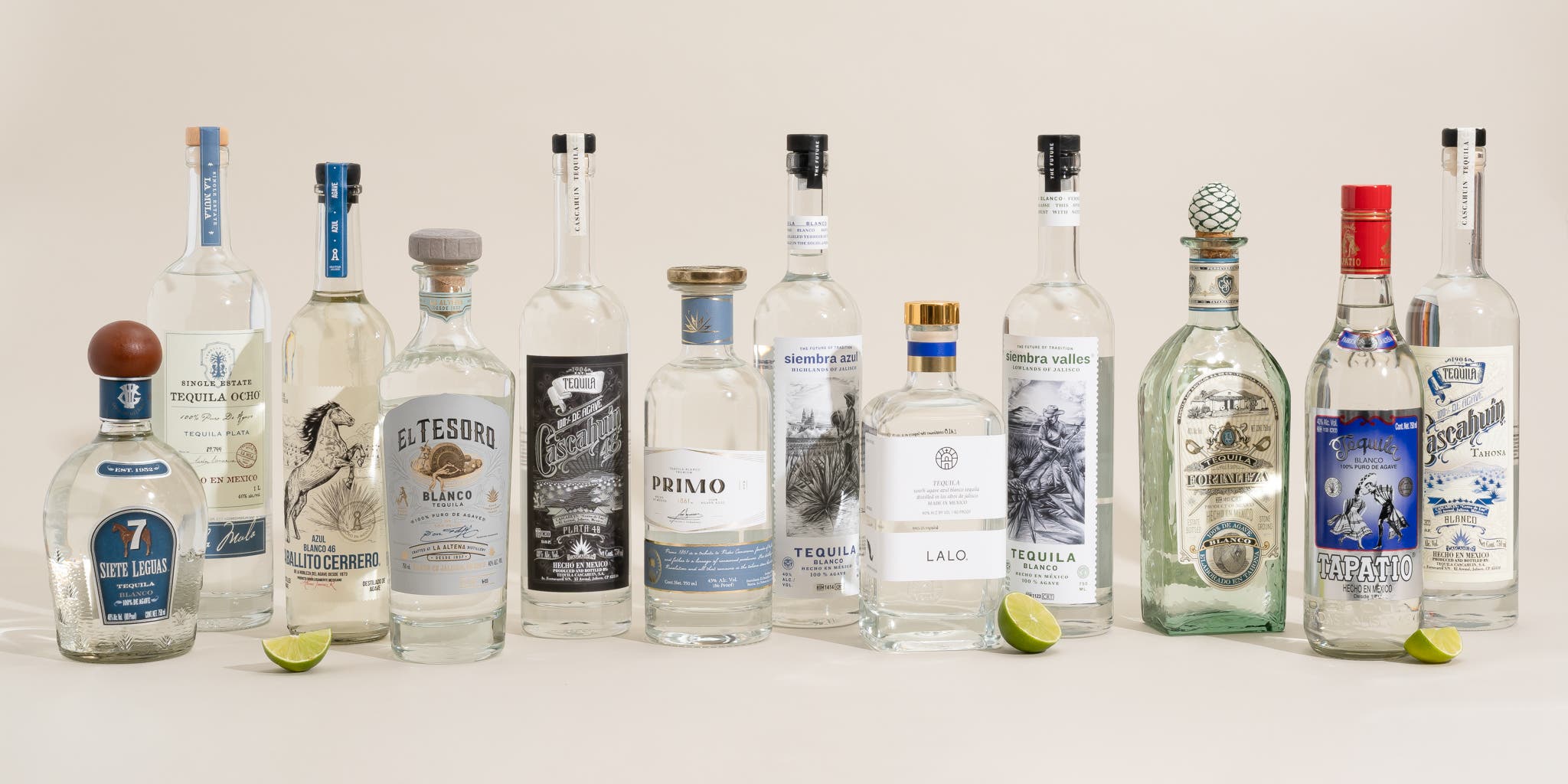
Altos: The Bartender’s Choice
Altos Tequila is a favorite among bartenders worldwide. Founded by the team behind Patron (though operating independently), Altos was built to create high-quality tequila at an accessible price point. They achieve this through estate-owned distilleries and a commitment to 100% agave production.
What sets Altos apart is its dedication to the entire process, from cultivating the agave to distilling and aging. They work closely with local farmers, ensuring sustainable practices and a consistent supply of high-quality agave. This control over production allows them to maintain a remarkably clean and consistent flavor profile across their range of expressions.
The Altos Blanco is versatile; it's bright, citrusy, and perfect for margaritas or sipping neat. The Reposado spends six to eight months in ex-bourbon barrels, adding subtle notes of vanilla and caramel. The Añejo is aged for over a year, developing a richer, more complex flavor with hints of oak and spice. The Añejo is particularly enjoyable on its own.
Altos can be found at most well-stocked liquor stores, with a reasonable price point – typically around $35-$60 depending on the expression and location. It's a great option for anyone looking for a premium tequila without breaking the bank. It's a workhorse tequila, evident in its popularity behind bars.
Don Ramon: Tradition and Refinement
Don Ramon is a name steeped in tequila history. Founded in 1938, it is one of the oldest and most respected tequila brands in Mexico. Don Ramon founded the brand to create a tequila worthy of his family’s celebrations, and that dedication to quality is still evident today.
Their production process is a blend of traditional methods and modern techniques. They carefully select Blue Weber agave from the highlands of Jalisco and use both tahona extraction (a traditional method using a large stone wheel) and modern roller mills to extract the agave juice. This combination allows them to maximize flavor and efficiency. Aging is done in American oak barrels, contributing to the tequila’s distinctive character.
The Don Ramon Blanco is known for its crisp, clean flavor with subtle agave notes. The Reposado spends six months to a year in oak, adding vanilla and spice. The Añejo is aged for over a year, offering a smoother, more complex taste. For those who prefer a luxurious experience, the Extra Añejo is aged for several years, resulting in a smooth and flavorful tequila.
Don Ramon positions itself as a luxury tequila, with prices starting at $70 and up for core expressions, and the Extra Añejo reaching over $200. It's a tequila meant to be savored, often chosen for special occasions. It's a brand that embodies tradition and refinement, with consistently high quality.
The Cristalino Craze: A New Wave?
Cristalino tequila is a new category that has taken the tequila world by storm. It starts with a fully aged tequila – typically Añejo or Extra Añejo – which is then filtered through charcoal to remove its color. The result is a clear tequila that retains the complex flavors developed during aging. This process challenges traditional perceptions of tequila.
Cristalino offers a unique combination of smoothness and complexity. It provides the flavor profile of an aged tequila without the color, making it visually striking and appealing to a wider audience. It's versatile – delicious neat, on the rocks, or in cocktails. It's also a conversation starter; people are curious about it.
While both Altos and Don Ramon currently do not have a Cristalino offering, many other brands have embraced this style, including Clase Azul and Volcan De Mi Tierra. The quality varies significantly, so it’s important to choose a reputable brand. I'm not sure if Cristalino is a lasting trend or a passing fad, but it’s certainly captivating the market right now.
Some purists argue that the filtration process strips away some of the tequila’s character, while others embrace it as an innovative expression of the spirit. Ultimately, whether you love or hate Cristalino is a matter of personal preference. It’s certainly added another layer of complexity to the tequila landscape.
Beyond the Big Two: Standout Premium Brands
While Altos and Don Ramon are excellent choices, the premium tequila world is vast and diverse. Here are a few other brands worth exploring, each offering a unique character and story.
Clase Azul is known for its beautifully decorated bottles and smooth, approachable flavor profile. Their Reposado is a particularly popular choice, with notes of vanilla, caramel, and agave. It’s a luxury tequila, and the price reflects that, but it’s a stunning addition to any collection.
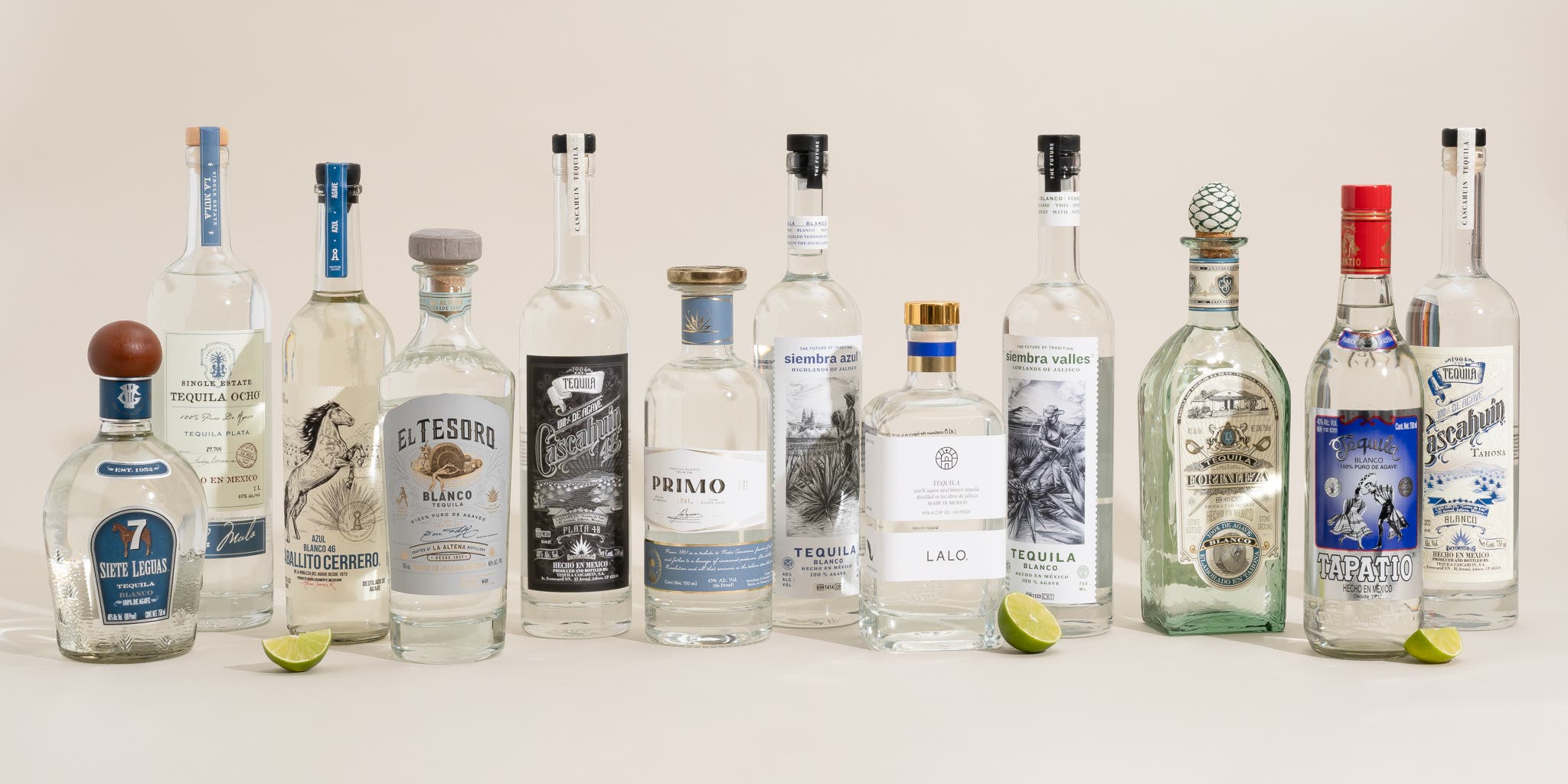
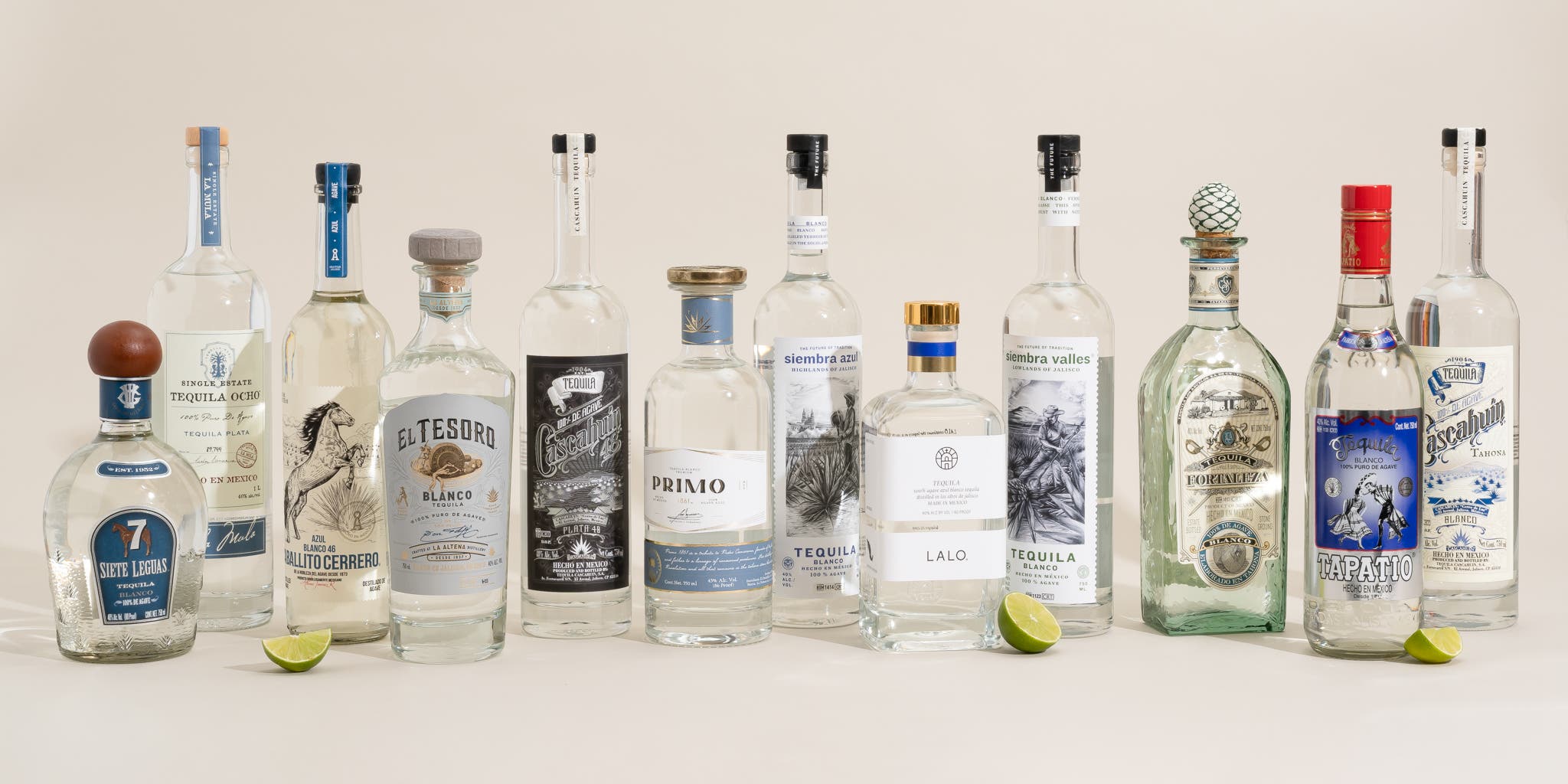
Fortaleza is a smaller, family-owned distillery that focuses on traditional production methods. Their tequilas are known for their bold, earthy flavors and complex aromas. They use a traditional stone tahona to extract the agave juice, resulting in a tequila with exceptional character.
Siete Leguas is another highly respected distillery that prioritizes traditional techniques. Their tequilas are known for their rich, agave-forward flavors and smooth finish. They’re a favorite among tequila enthusiasts in the know.
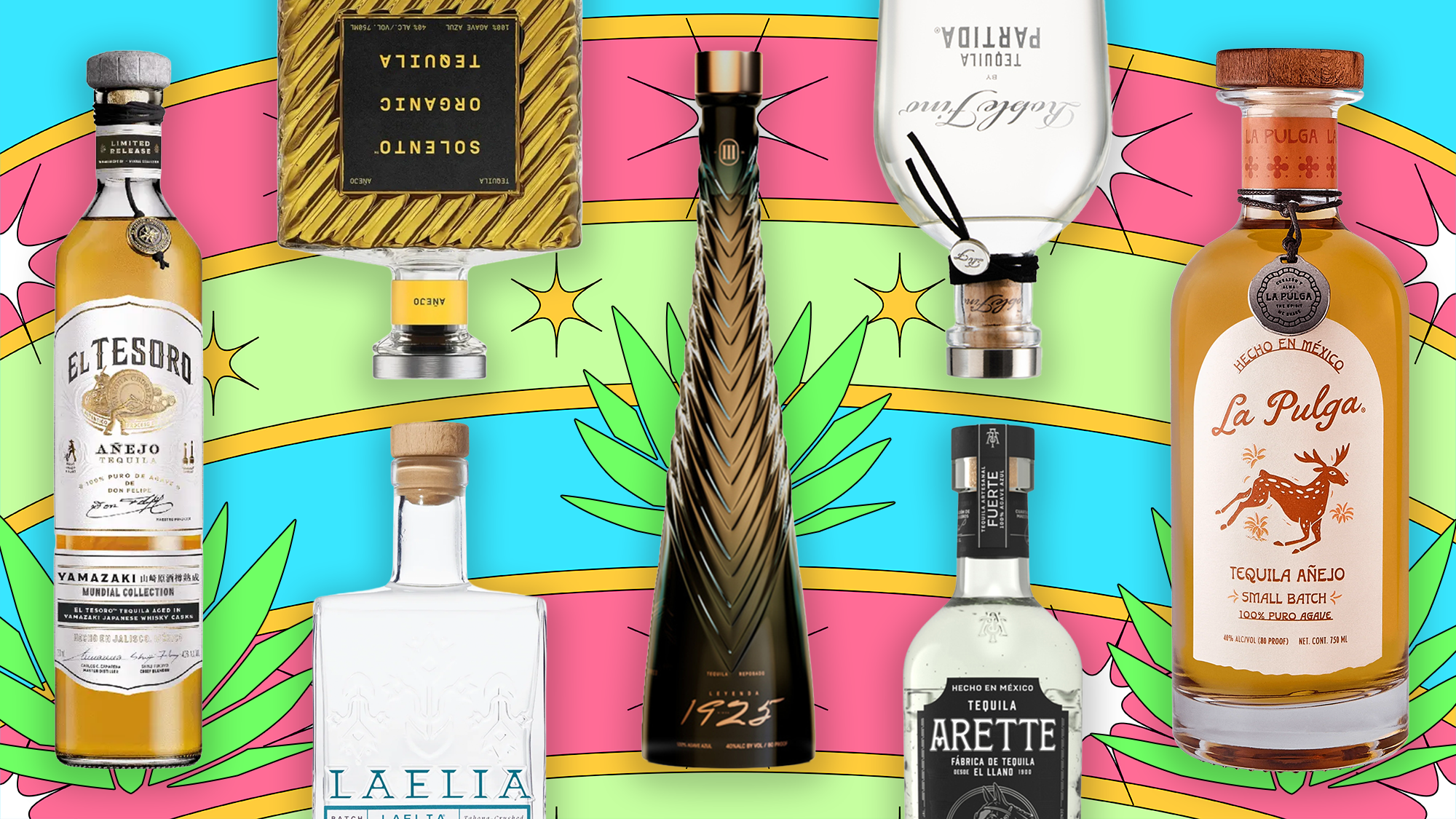
El Tesoro is a brand that emphasizes authenticity and craftsmanship. Their tequilas are produced in small batches using traditional methods, resulting in a spirit that is both complex and refined. The Reposado is particularly well-regarded.
G4 is a relatively new brand that has quickly gained a following for its innovative approach to tequila production. They use a unique fermentation process and source their agave from different regions of Jalisco, resulting in tequilas with distinct flavor profiles. They offer single estate tequilas as well.
These brands, along with many others, demonstrate the diversity and quality that the tequila world offers. Experiment and find your own favorites.
Elevate Your Tequila Experience: Essential Accessories for the Discerning Drinker

Designed specifically for tequila tasting · Enhances aroma and flavor perception · Set of 4 glasses
Elevate your tequila tasting experience with glasses designed to showcase the nuances of Blanco, Reposado, and Añejo varieties.

17-piece comprehensive set · Includes shaker, jigger, strainer, and more · Durable stainless steel construction
Equip your home bar with this all-in-one cocktail shaker set, perfect for crafting premium tequila cocktails with professional flair.

Focuses on tequila and mezcal · Covers essential drinks and recipes · Ideal for enthusiasts and beginners
Deepen your understanding of tequila and mezcal with this essential guide, featuring key drinks and recipes for every enthusiast.
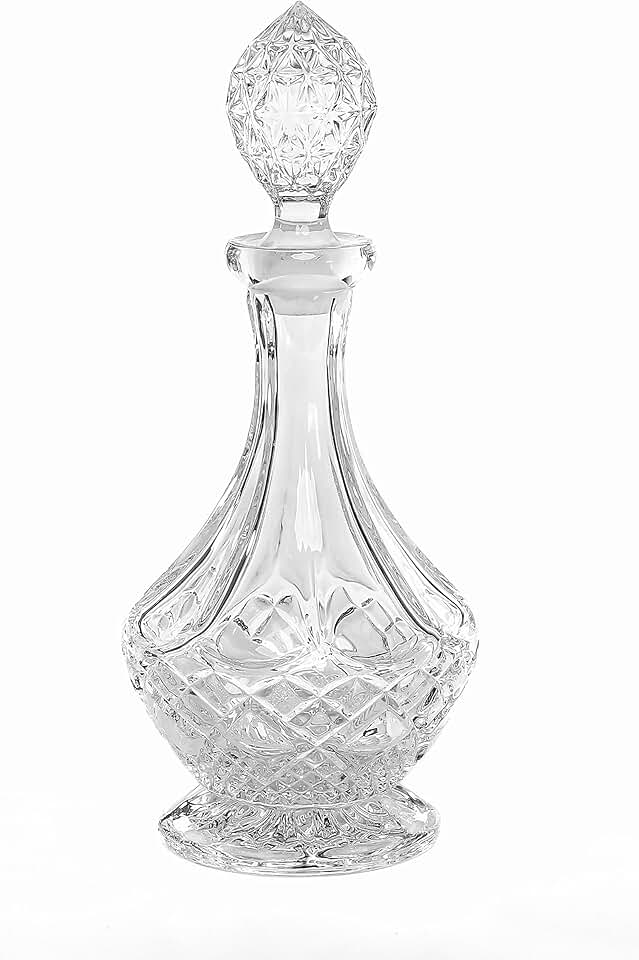
Lead-free crystal construction · Elegant round design with stopper · Adds a sophisticated touch to serving
Serve your premium tequila in style with this elegant crystal decanter, adding a touch of sophistication to any home bar or dining setting.
As an Amazon Associate I earn from qualifying purchases. Prices may vary.
Agave Varietals: What’s the Difference?
Blue Weber agave is the dominant varietal used in tequila production, accounting for over 99% of tequila made. Other agave species are gaining attention. Understanding these differences can deepen your appreciation for tequila's nuances.
Blue Weber agave is prized for its high sugar content and relatively quick maturation time. However, other agave varietals offer unique flavor profiles. Agave Americana (also known as Agave Agave) has a more herbaceous and floral aroma, while Agave Angustifolia Espadin (primarily used in mezcal) has a smoky, earthy flavor.
The agave varietal significantly impacts the tequila’s flavor profile. Blue Weber generally produces a sweeter, more balanced tequila, while other varietals offer more complex and challenging flavors. Some producers experiment with blends of different agave varietals to create unique and interesting expressions.
Sustainable agave farming practices are
Tequila & Food: Perfect Pairings
Tequila isn't just for sipping or mixing into cocktails; it pairs beautifully with a wide range of foods. The key is to match the tequila's flavor profile with the dish's intensity and ingredients.
Blanco tequilas, with their bright, citrusy flavors, are excellent with fresh, light dishes like ceviche, sushi, or grilled fish. Their crispness cuts through the richness of the food and complements the flavors beautifully. They also work well with spicy dishes, as the tequila can help to cool the palate.
Reposado tequilas, with their subtle oak and vanilla notes, pair well with roasted chicken, pork, or mild cheeses. Their complexity adds depth to the meal without overpowering the flavors. They’re also a good match for dishes with a touch of sweetness, like glazed pork or fruit salsa.
Añejo tequilas, with their richer, more complex flavors, are best enjoyed with heartier dishes like steak, lamb, or dark chocolate. Their smoothness and depth complement the richness of the food. An Extra Añejo can even stand up to a fine cigar.
Premium Tequila Brand Profiles by Type (2026)
| Tequila Type | Flavor Profile | Best Served | Food Pairings | Cocktail Use |
|---|---|---|---|---|
| Blanco (Altos) | Bright & Citrusy, Agave Forward | Neat, Chilled | Fresh Ceviche, Spicy Salsa, Light Salads | Margaritas, Palomas, Tequila Sunrise |
| Reposado (Don Ramon) | Smooth, Vanilla & Oak Notes, Subtle Agave | Neat or on the Rocks | Grilled Fish, Chicken Mole, Soft Cheeses | Classic Margarita variations, Old Fashioned style cocktails |
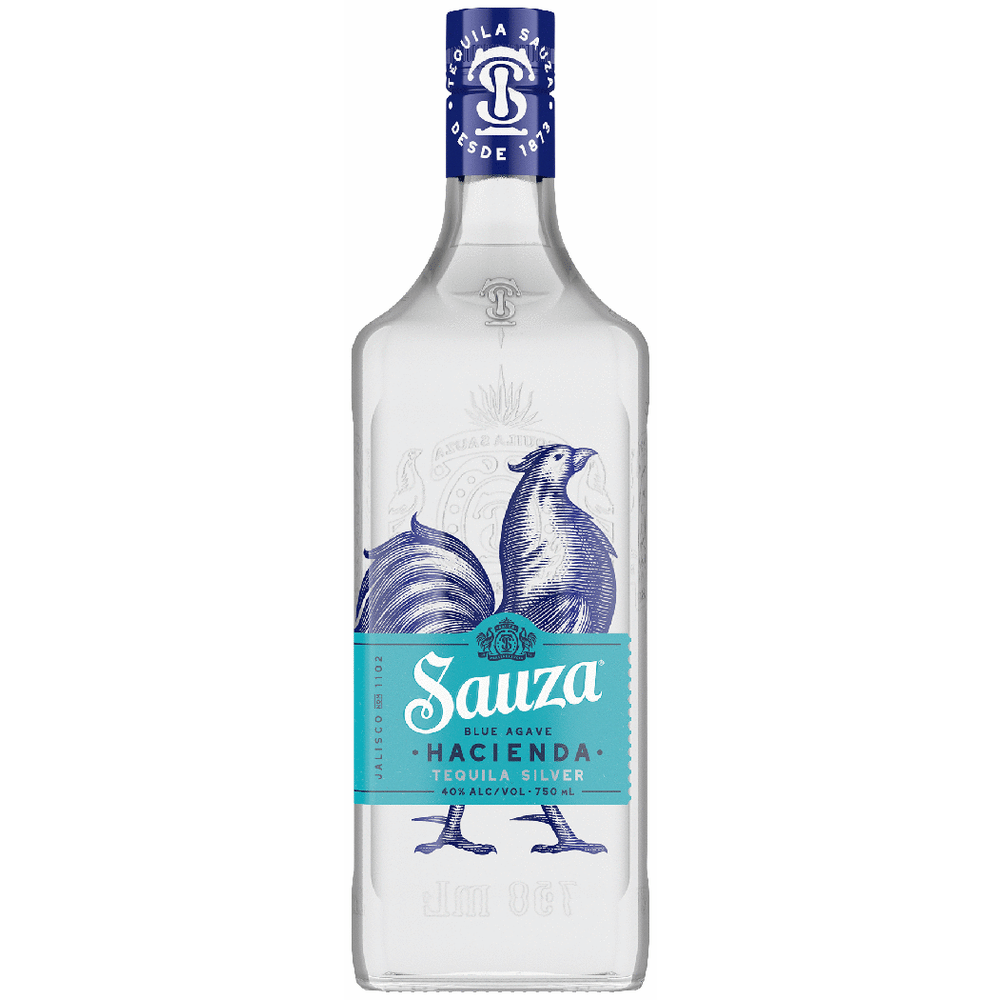
| Anejo (Sauza) | Rich & Complex, Caramel & Spice, Aged Oak | Neat, in a Snifter | Dark Chocolate, Roasted Meats, Aged Cheddar | Manhattans, sophisticated stirred cocktails |
| Extra Anejo (Fortaleza) | Extremely Smooth, Dried Fruit & Chocolate, Long Finish | Neat, Sipped Slowly | Flourless Chocolate Cake, Strong Blue Cheese, Smoked Salmon | Limited – best enjoyed neat to appreciate complexity |
| Blanco (Fortaleza) | Robust Agave, Peppery, Mineral Notes | Neat, or in a traditional shot | Grilled Pineapple, Shrimp Aguachile, Citrus-based dishes | Excellent in cocktails where agave flavor is desired, like a Margarita |
| Reposado (Patrón) | Balanced, Honey & Vanilla, Gentle Oak | Neat, on the rocks, or in a simple highball | Roasted Chicken, Shrimp Scampi, Mild Spiced Dishes | Margaritas, Palomas, or enjoyed in more refined cocktails |
| Anejo (Don Julio) | Smooth, Caramel & Vanilla, Subtle Spice | Neat or on the Rocks | Spicy Pork Dishes, Dark Chocolate Desserts, Hard Cheeses | Classic cocktails like the Tequila Old Fashioned |
Illustrative comparison based on the article research brief. Verify current pricing, limits, and product details in the official docs before relying on it.
Decoding Tequila Labels: What to Look For
Understanding tequila labels can be overwhelming, but it's essential for making informed purchasing decisions. There are several key categories and designations to look for.
The primary categories are Blanco (unaged), Reposado (aged 2 months to less than a year), Añejo (aged 1 to 3 years), and Extra Añejo (aged 3+ years). Cristalino is a newer category, as we discussed, and Joven (also known as Gold) is typically a blend of Blanco and Reposado or Añejo.
100% agave is a crucial designation. It means the tequila is made entirely from Blue Weber agave sugars. Mixto tequilas, on the other hand, can contain up to 49% other sugars. Always opt for 100% agave tequila for the best quality and flavor.
The NOM number (Norma Oficial Mexicana) is a unique identifier assigned to each distillery. It signifies that the tequila meets the standards set by the Mexican government. You can use the NOM number to trace the tequila back to its origin and verify its authenticity. Knowing what you’re looking at on the label can make all the difference.
No comments yet. Be the first to share your thoughts!