

Agave origins
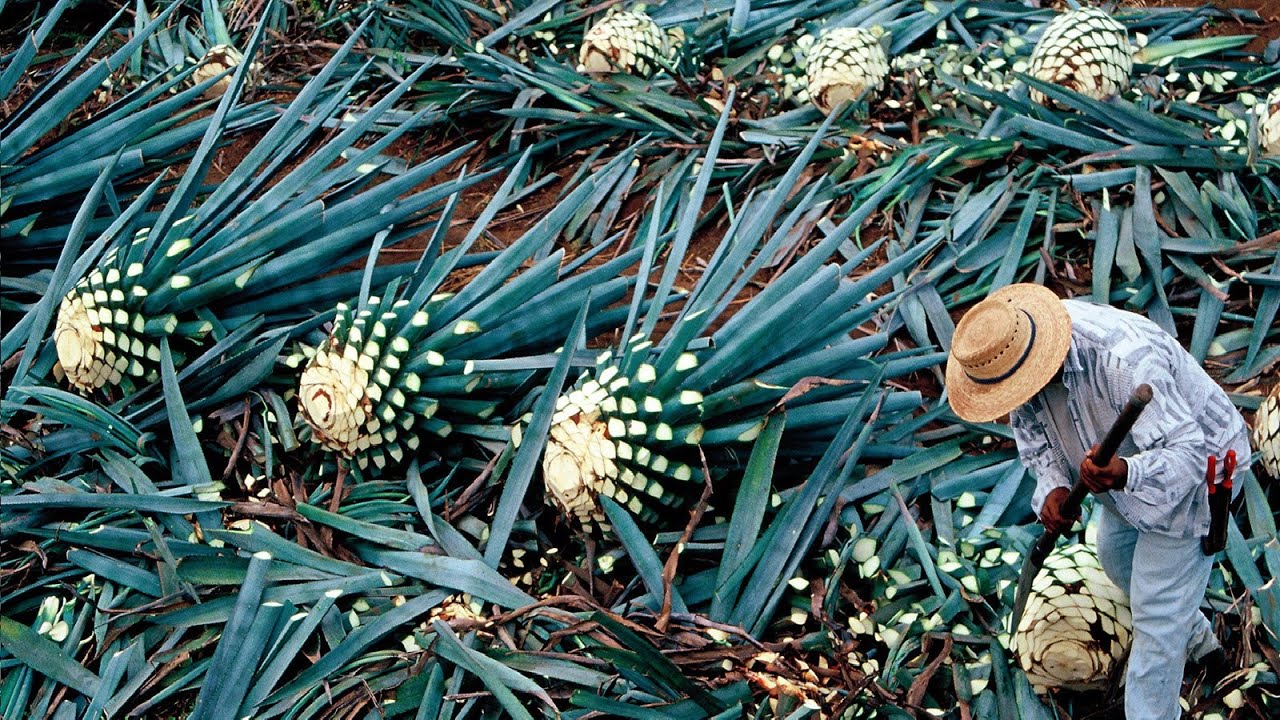
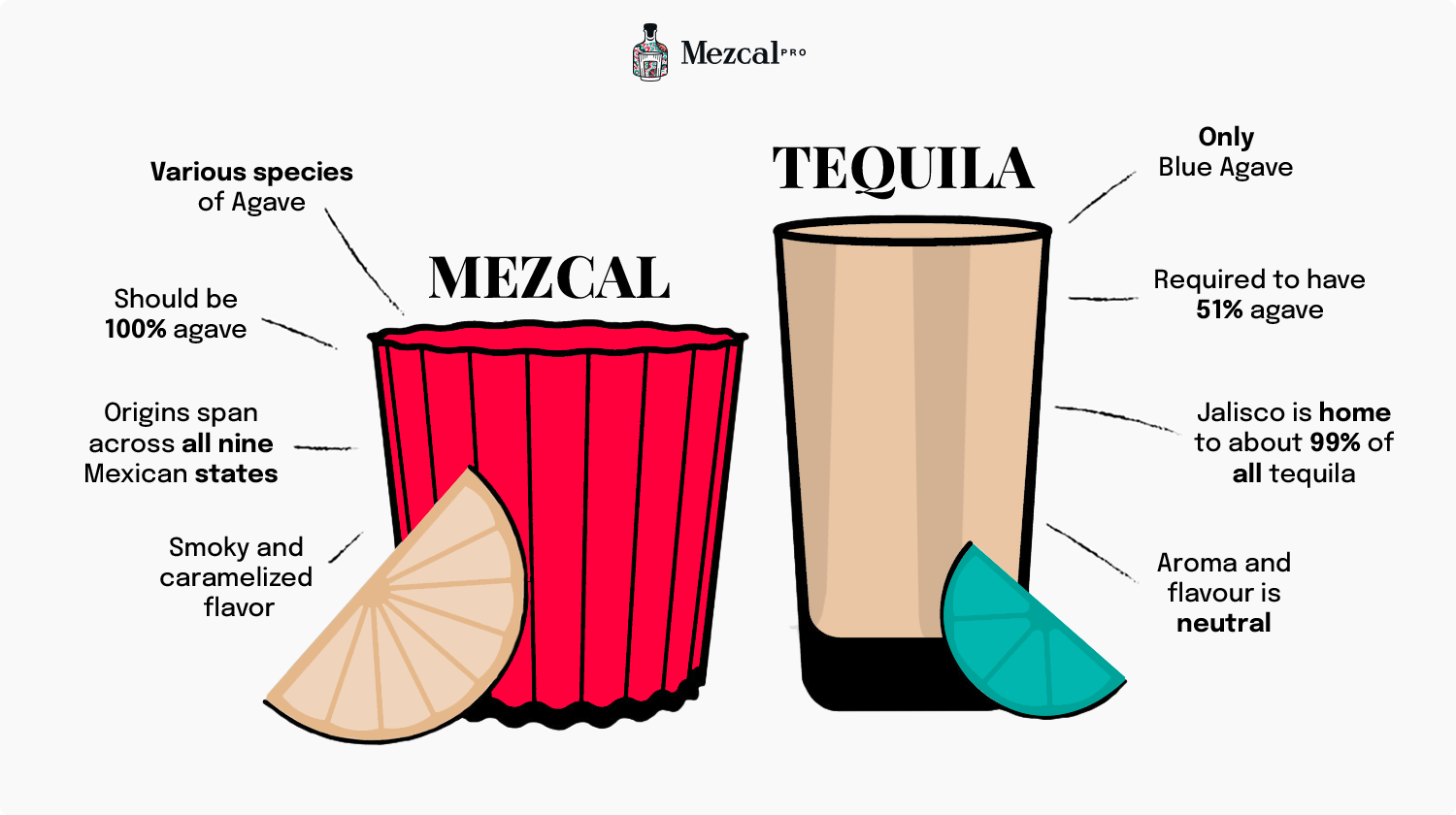
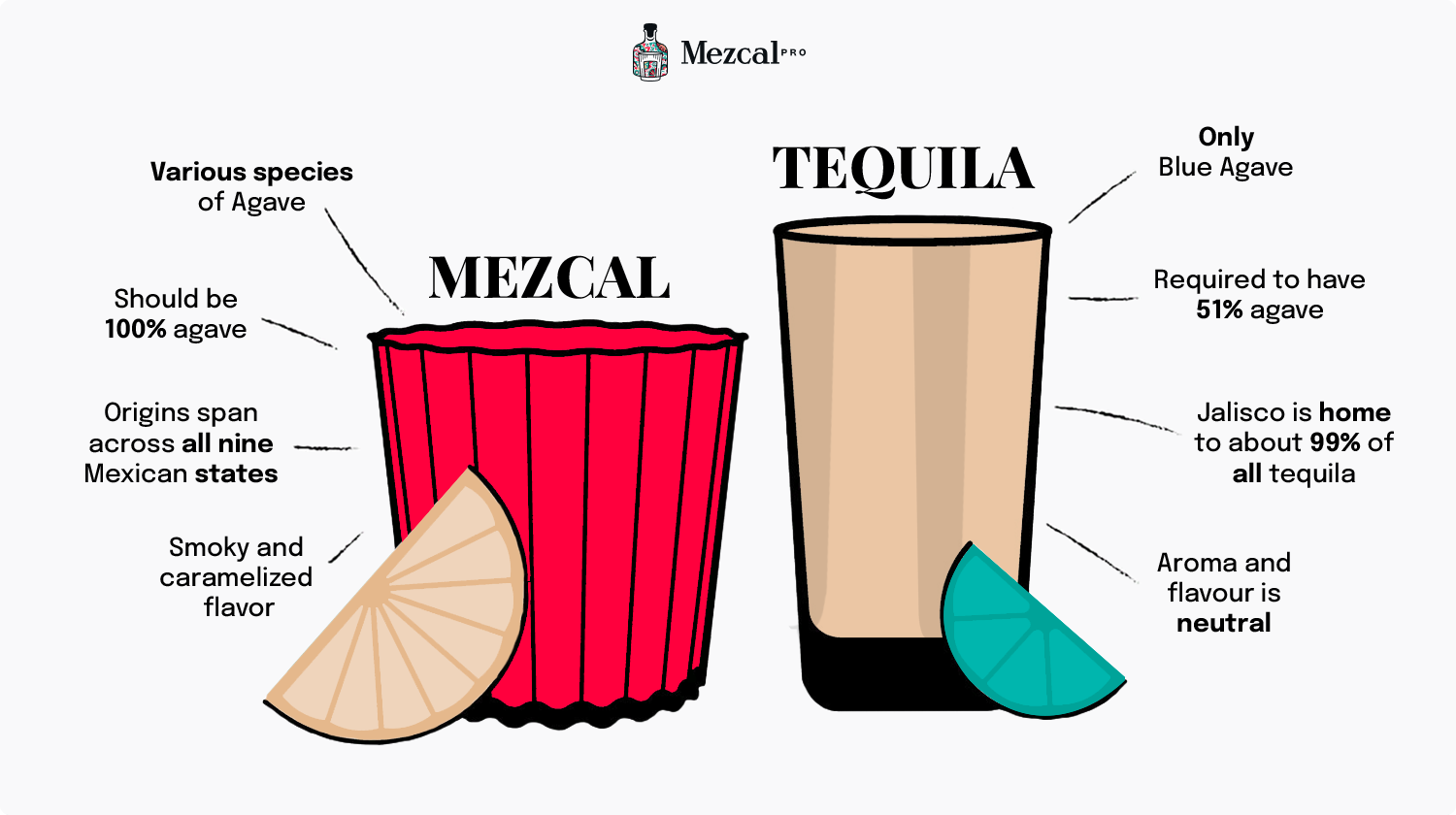
Both tequila and mezcal begin with the agave plant, but it’s a relationship spanning centuries and a remarkable diversity of species. The blue Weber agave, Agave tequilana, is almost exclusively used for tequila production, thriving in the highlands and lowlands of specific regions. Mezcal, however, embraces a much wider range – over 30 different agave species can be used, each contributing unique flavors and aromas to the final spirit.
The history of these spirits is deeply interwoven with pre-Columbian Mexico. Indigenous cultures fermented agave beverages for ceremonial and everyday use long before the arrival of the Spanish. When the Spanish arrived in the 16th century, they adopted and adapted these practices, eventually leading to the development of the distillation processes we recognize today. Tequila’s evolution was more rapidly industrialized, while mezcal retained a stronger connection to traditional methods.
Agave takes five to twelve years to mature. This long wait, paired with the manual labor of the harvest, is why these spirits cost more than grain-based alcohol. You can taste that decade of growth in the final pour.
The rules of tequila
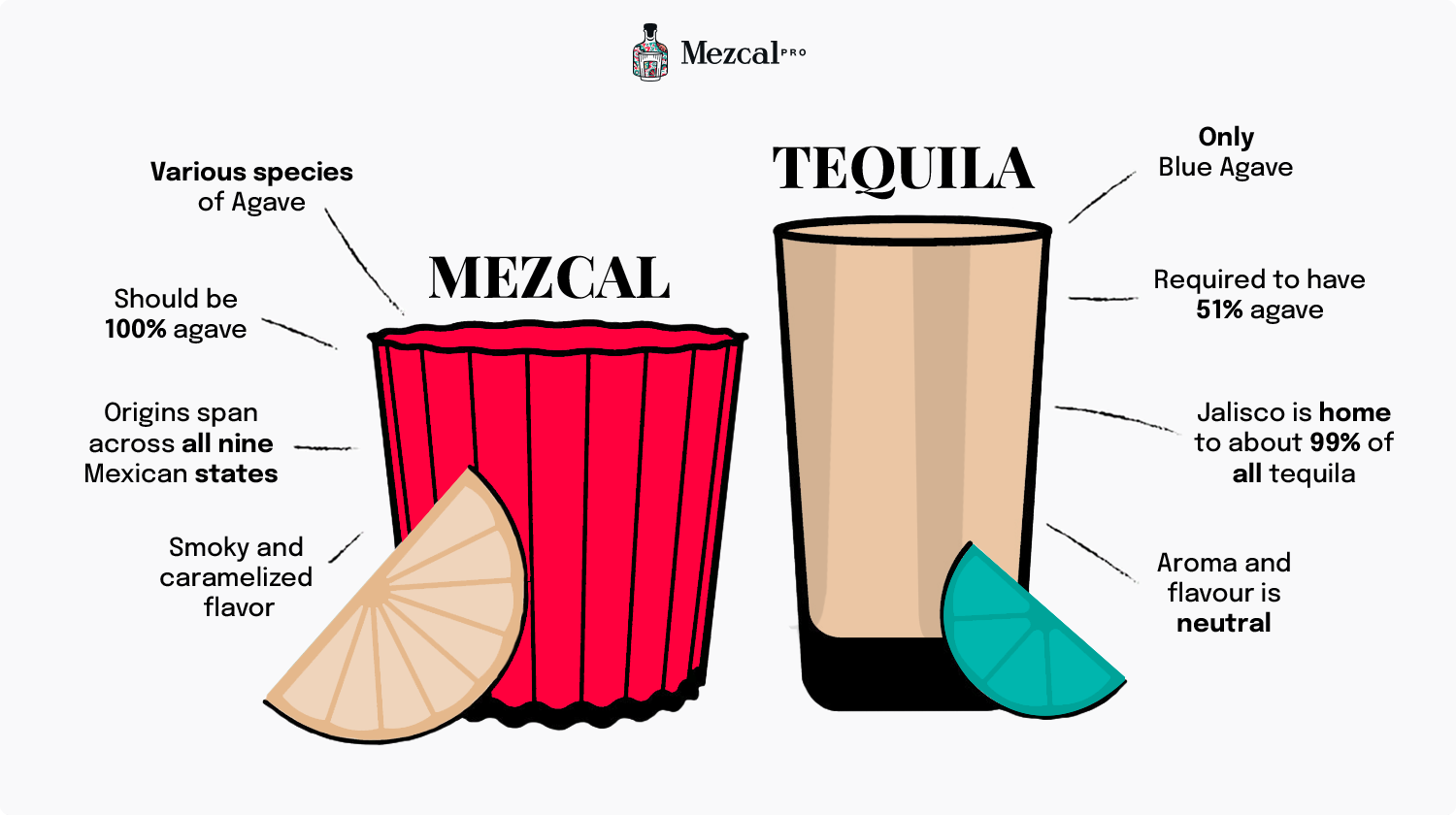
Tequila is remarkably well-defined. Its production is strictly regulated by the Denominación de Origen Tequila (DOT), a governing body that sets standards for everything from agave sourcing to bottling. This regulation is designed to protect the authenticity and quality of tequila, and it’s one of the key things that sets it apart from mezcal.
The DOT mandates that tequila must be made from at least 51% blue Weber agave sugars, though the highest quality tequilas are labeled “100% agave.” Tequila production is permitted in five designated states: Jalisco, Guanajuato, Michoacán, Nayarit, and Tamaulipas. Within these states, specific regions are known for producing different styles of tequila. There are also strict rules about distillation and aging.
Tequila is categorized based on aging. Blanco (or silver) tequila is bottled immediately after distillation, retaining the purest agave flavors. Reposado tequila is aged in oak barrels for two months to a year, developing a smoother character and subtle oak notes. Añejo tequila spends one to three years in oak, resulting in a richer, more complex spirit. Finally, Extra Añejo tequila is aged for more than three years, often showcasing notes of caramel, vanilla, and dried fruit. These classifications are legally defined and enforced by the DOT.
Mezcal and agave diversity
In contrast to tequila’s strict regulations, mezcal enjoys a comparatively open approach to production. While mezcal is legally defined – it’s a spirit distilled from any agave plant – the rules are less prescriptive. Mezcal can be produced in nine states across Mexico, though Oaxaca is widely considered its heartland, accounting for roughly 85% of all mezcal production.
The real magic of mezcal lies in the diversity of agave species used. Espadín is the most commonly used agave, accounting for around 90% of mezcal production due to its relatively shorter maturation period. However, producers are increasingly exploring other, wilder varieties like Tobaziche, Tepeztate, and Cuixe, each contributing unique and often highly sought-after flavor profiles.
Traditional mezcal production is a deeply rooted craft. Agave hearts, or piñas, are traditionally cooked in earthen pits lined with hot rocks, a process that imparts a characteristic smoky flavor. Fermentation often happens in wooden vats, and distillation is typically carried out in small, copper pot stills. This hands-on approach, often passed down through generations, is a defining characteristic of mezcal.
Mezcal is a family business. Most producers use techniques passed down through several generations, keeping the process tied to specific plots of land rather than industrial factories.
Production differences
The most significant difference in production lies in how the agave is cooked. Tequila producers typically steam agave piñas in industrial ovens, a process that yields a cleaner, brighter flavor. Mezcal producers, however, traditionally roast the agave in earthen pits lined with volcanic rocks, covered with earth and vegetation. This roasting process imparts the signature smoky flavor that mezcal is known for.
Fermentation also differs. Tequila fermentation often uses commercially produced yeasts in stainless steel tanks, providing consistency and control. Mezcal fermentation often relies on wild yeasts present in the environment, and takes place in wooden vats or even open-air containers. This can lead to more complex and unpredictable flavor development.
Distillation methods also play a role. Tequila is typically distilled multiple times in stainless steel pot stills or column stills, resulting in a higher-proof, cleaner spirit. Mezcal is often distilled only once or twice in small, copper pot stills, preserving more of the agave’s character and contributing to its complex flavor profile.
Here’s a quick comparison:
- Tequila is steamed; mezcal is roasted in earth ovens.
- Tequila uses commercial yeasts in steel; mezcal relies on wild yeasts in wood.
- Distillation: Tequila - Multiple Distillations, Stainless Steel; Mezcal - One/Two Distillations, Copper Pot Stills
- Regional Control: Tequila - Strict DOT regulations; Mezcal - More Flexible, Primarily Oaxaca
Tequila vs. Mezcal: A Comparison of Production Methods
| Production Stage | Tequila | Mezcal |
|---|---|---|
| Agave Type | Primarily Blue Weber agave (at least 51% for Tequila) | Over 30 varieties of agave are used, including Espadín, Tobalá, and Arroqueño |
| Cooking Method | Steaming or baking in industrial ovens or autoclaves – creates a cleaner, sweeter flavor profile. | Traditionally pit roasting in earthen ovens – imparts a distinctive smoky flavor. |
| Fermentation | Typically utilizes commercial yeasts in stainless steel or wooden tanks. | Often uses ambient yeasts and open-air fermentation in wooden or stone vessels, contributing to more complex flavors. |
| Distillation | Generally double distilled in copper pot stills, though column stills are also used. | Typically double distilled in copper or clay pot stills, often smaller scale and more artisanal. |
| Aging | Can be aged in various types of oak barrels (American, French, etc.) for different expressions (Blanco, Reposado, Añejo, Extra Añejo). | Aging is less common, but when used, can be in oak, chestnut, or other woods, often for shorter periods. Some mezcals are not aged at all. |
| Regional Restrictions | Production is legally restricted to specific regions within Mexico, primarily Jalisco. | Production is permitted in a wider range of states in Mexico, including Oaxaca, Guerrero, Durango, and San Luis Potosí. |
| Flavor Profile | Typically exhibits notes of sweet agave, citrus, and floral aromas, depending on aging. | Characterized by smoky, earthy, and vegetal flavors, alongside agave sweetness. Flavor varies greatly depending on agave type and production methods. |
Illustrative comparison based on the article research brief. Verify current pricing, limits, and product details in the official docs before relying on it.
Smoke and sweetness
Tequila is usually bright. You'll taste citrus and pepper in a blanco. Once it hits the barrel for a reposado or añejo, the wood adds vanilla and spice.
Mezcal, on the other hand, is often characterized by its smoky, earthy notes, a direct result of the earth oven roasting process. However, the flavor profile can vary dramatically depending on the agave species used. Tobaziche, for example, can offer herbaceous and floral notes, while Tepeztate tends to be more savory and mineral-driven. It’s a spirit with incredible range.
Aging also impacts mezcal’s flavors, though it’s less common than with tequila. Aged mezcals can develop smoother textures and more subtle flavors, but the smoky character often remains present. Ultimately, both tequila and mezcal offer a wide spectrum of flavors, and the best way to discover your preference is to explore different expressions.
Drinking and mixing
Tequila’s versatility makes it a favorite for cocktails. The classic Margarita (tequila, lime juice, orange liqueur) remains incredibly popular, as does the Paloma (tequila, grapefruit soda, lime juice). A Tequila Sunrise (tequila, orange juice, grenadine) is a sweeter, visually appealing option. Blanco tequilas shine in these cocktails, while Reposado and Añejo expressions can be enjoyed on their own.
Mezcal is increasingly appreciated for its complexity and is often enjoyed neat or on the rocks, allowing its nuanced flavors to shine. However, it also excels in cocktails that complement its smoky character. A Mezcal Negroni (mezcal, Campari, sweet vermouth) is a sophisticated choice. Simpler cocktails, like a Mezcal Old Fashioned (mezcal, sugar, bitters, orange peel), can also be incredibly rewarding.
Regardless of how you choose to enjoy them, proper glassware can enhance the experience. For sipping, a tulip-shaped glass or a copita are ideal, concentrating the aromas. For cocktails, choose glassware appropriate for the drink. Take your time, savor the aromas, and appreciate the craftsmanship that goes into each bottle. Both tequila and mezcal deserve to be enjoyed thoughtfully.
Explore the World of Agave Spirits: Top Tequilas and Mezcals
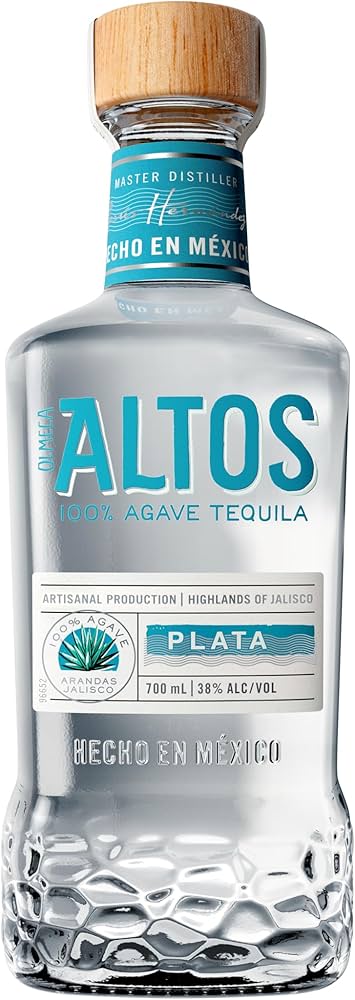
100% Blue Agave · Made in Jalisco, Mexico · Smooth and balanced profile
Altos Plata is a widely recognized and accessible 100% agave tequila, perfect for understanding the clean, unaged profile of a quality Plata.

Traditional Dominican recipe · Infused with pineapple · Includes a decorative bottle
Don Ramon Mamajuana offers a unique, pre-mixed herbal liqueur experience that contrasts with traditional tequila and mezcal, showcasing a different facet of Caribbean spirits.

Concentrated flavor essence · Designed for home distilling or cocktails · Mimics traditional tequila notes
Top Shelf Silver Tequila Flavoring provides a point of reference for the distinct flavor profile of tequila, useful for understanding what characteristics to look for in the actual spirit.

Non-alcoholic spirit · Zero sugar, zero carbs, zero calories · Award-winning flavor profile
MONDAY Zero Alcohol Mezcal allows readers to explore the characteristic smoky notes of mezcal without alcohol, offering an alternative for those seeking the flavor profile in a non-alcoholic format.
Non-alcoholic spirit · Zero sugar, zero carbs, zero calories · Award-winning flavor profile
MONDAY Zero Alcohol Mezcal allows readers to explore the characteristic smoky notes of mezcal without alcohol, offering an alternative for those seeking the flavor profile in a non-alcoholic format.
As an Amazon Associate I earn from qualifying purchases. Prices may vary.
No comments yet. Be the first to share your thoughts!