

Beyond Blanco: Premium Tequila in 2026
The world of tequila has changed dramatically. It’s no longer just about quick shots and lime. Demand for premium tequila is surging, and it’s not hard to see why. A growing cocktail culture, a deeper appreciation for craftsmanship, and a desire for authentic experiences are all driving this shift. People are looking for more than just an alcoholic beverage; they want a story, a tradition, and a quality product.
Traditionally, tequila is categorized into blanco (unaged), reposado (aged in oak for 2-11 months), añejo (aged in oak for 1-3 years), and extra añejo (aged in oak for over 3 years). Each category offers a distinct flavor profile, and the best producers are really focusing on maximizing those differences. We’re also seeing a move towards prioritizing 100% agave tequila, a crucial indicator of quality, as opposed to mixto tequila which can contain up to 49% other sugars.
"Premium’ is a term often thrown around, but it really comes down to a commitment to quality at every stage of production. This means careful agave selection, sustainable farming practices, skilled distillation, and thoughtful aging. It’s about respecting the agave plant and the traditions of tequila making. The brands we’ll be looking at today aren"t just expensive; they represent the best of what tequila has to offer.
The market is becoming crowded, which can be overwhelming. But it also means more choices and higher standards. In 2026, we can expect this trend to continue, with an even greater emphasis on transparency, sustainability, and innovation. It’s a great time to be a tequila drinker.
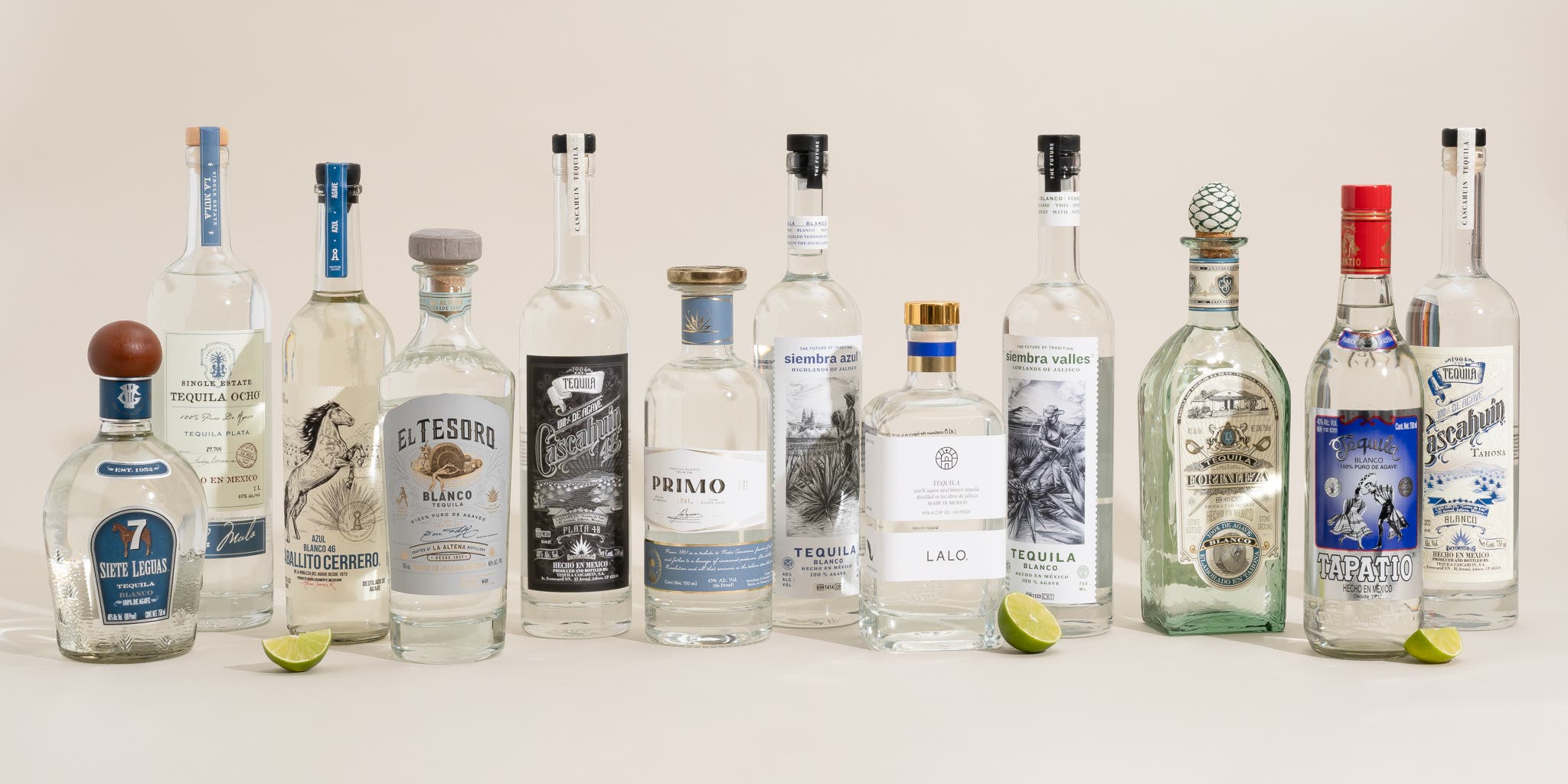
Altos Tequila: The Bartender's Choice
Altos Tequila has become a staple behind bars worldwide, and for good reason. Founded by the team behind Patron, it was designed specifically to meet the needs of professional mixologists. It’s a brand that understands the demands of high-volume service without sacrificing quality. The history is somewhat unique – it wasn't built on a grand estate, but on a desire to create a consistent, reliable tequila for cocktail making.
The production process is a fascinating blend of traditional and modern techniques. They utilize both tahona extraction – a traditional method using a large stone wheel to crush the agave – and roller mills for efficiency. This allows them to capture the best of both worlds: the complex flavors of tahona extraction and the consistent quality of modern milling. They also use a slow fermentation process, which helps develop a richer, more nuanced flavor profile.
Altos offers a range of expressions. The Blanco is crisp and clean, with bright agave notes—perfect for margaritas. The Reposado spends six to eight months in oak barrels, adding subtle vanilla and caramel notes. The Añejo is aged for 12-18 months, resulting in a smoother, more complex tequila with deeper oak influence. I find the Reposado especially versatile, working well in both cocktails and neat.
Bartenders appreciate Altos for its consistency and value. It delivers a premium tequila experience at a reasonable price point, making it a smart choice for bars and home enthusiasts alike. It's a fantastic entry point into the world of premium tequila – a solid, reliable choice that won't disappoint. Tasting notes for the Blanco include citrus, pepper, and a clean agave finish. The Reposado adds vanilla and caramel, while the Añejo offers notes of dark chocolate and spice.
Don Ramon: A Legacy of Tradition
Don Ramon is arguably one of the most recognizable tequila brands globally, and its story is intertwined with the international popularization of tequila itself. Founded in 1938 by Don Ramón Hernández, the brand quickly gained a reputation for quality and tradition. It was one of the first tequilas to be widely exported, introducing the spirit to a broader audience.
Don Ramon offers a comprehensive range of expressions, each with its own distinct character. The Blanco is a classic representation of agave, while the Reposado benefits from a few months of oak aging, adding subtle complexity. The Añejo is where Don Ramon truly shines, particularly the legendary 1942. The Platinum is a triple-filtered version of the Blanco, offering an exceptionally smooth experience, and the Cristalino is an aged tequila that is then filtered to remove the color, offering the flavor of an aged tequila in a Blanco presentation.
The 1942 Añejo is often considered a benchmark for the category. Aged for at least 36 months in oak barrels, it boasts a rich, complex flavor profile with notes of vanilla, caramel, and dried fruit. It’s a celebratory tequila, often reserved for special occasions. However, the other expressions shouldn't be overlooked. The Reposado offers a great balance of agave and oak, and the Blanco is a superb example of a clean, vibrant tequila.
What sets Don Ramon apart? It’s a combination of factors. The consistent quality, the strong brand recognition, and the historical significance all play a role. The marketing has been incredibly effective, creating a sense of luxury and sophistication. I’m curious if the 1942 hype still holds up, given the increasing number of excellent extra añejo tequilas on the market, but it undeniably remains an icon. It's a brand steeped in history, and continues to deliver a reliably high-quality product.
Mijenta: A Rising Star
Mijenta is a relatively new brand that has quickly gained acclaim within the tequila community. According to tastingtable.com, it’s a truly special blanco with an exceptionally well-balanced flavor profile, earning it the top spot in their rankings. This isn’t just hype; Mijenta is genuinely pushing boundaries and challenging the status quo.
The production process is a key differentiator. Mijenta works directly with local farmers to source high-quality agave, and they employ a unique roller mill system that gently extracts the agave juice, preserving its natural flavors. They also use a proprietary fermentation process and slow distillation, resulting in a tequila that is both complex and incredibly smooth.
Mijenta currently focuses on a single expression: a blanco tequila. This allows them to concentrate their efforts on perfecting the art of blanco tequila production. The flavor profile is remarkably balanced, with notes of citrus, floral aromas, and a subtle sweetness. It’s a tequila that can be enjoyed neat, on the rocks, or in cocktails.
The brand’s commitment to sustainability is also noteworthy. They prioritize environmentally friendly practices throughout the production process, and they support local communities. It seems to be a favorite among those who are really into tequila – the enthusiasts who appreciate the nuances and subtleties of a well-crafted spirit. It's a brand to watch in the coming years.
Beyond the Big Three: Standout Brands
While Altos, Don Ramon, and Mijenta are excellent choices, the world of premium tequila is vast and diverse. Here are a few other brands that deserve attention, based on recommendations from sources like robbreport.com and general industry buzz.
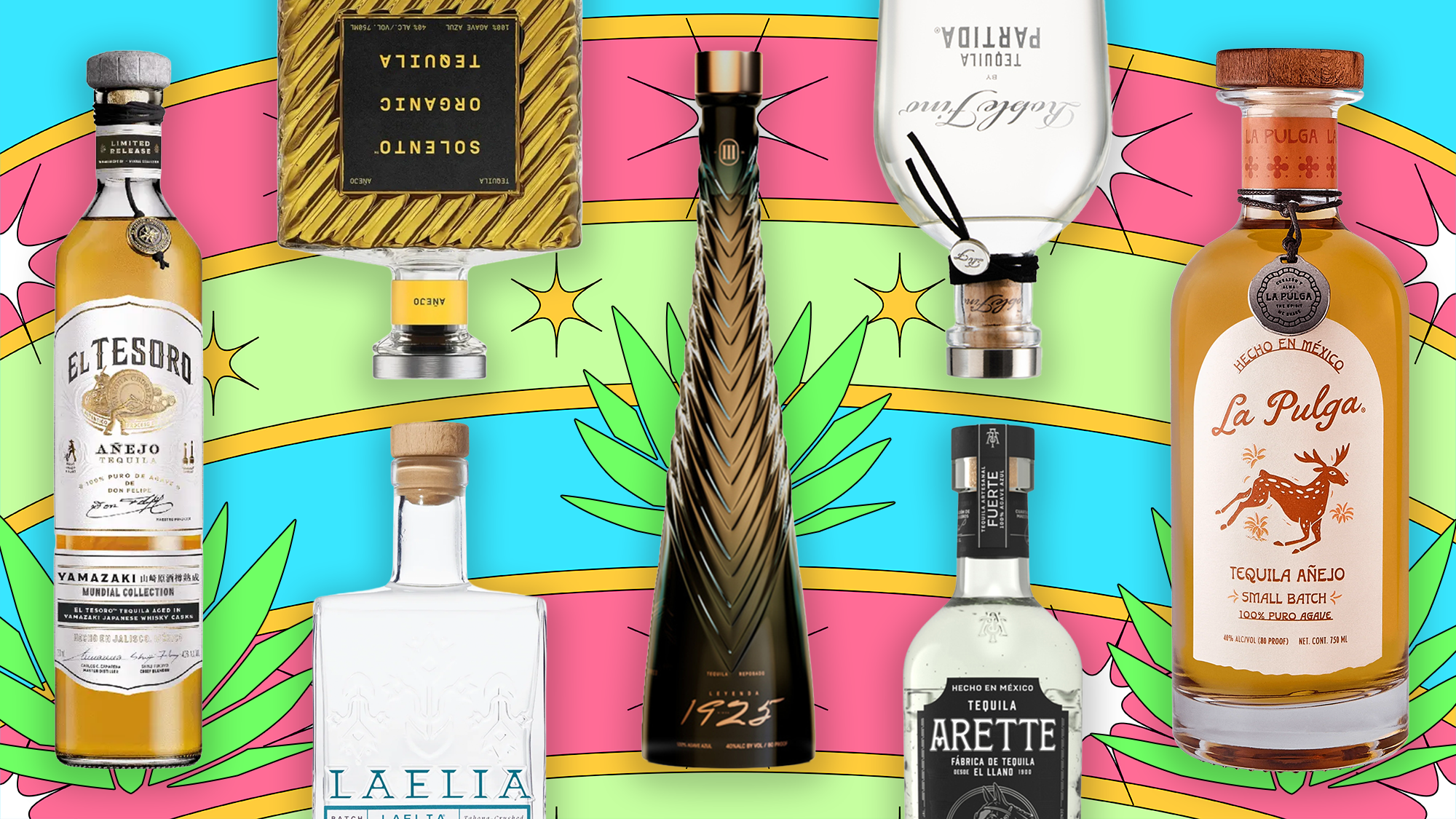
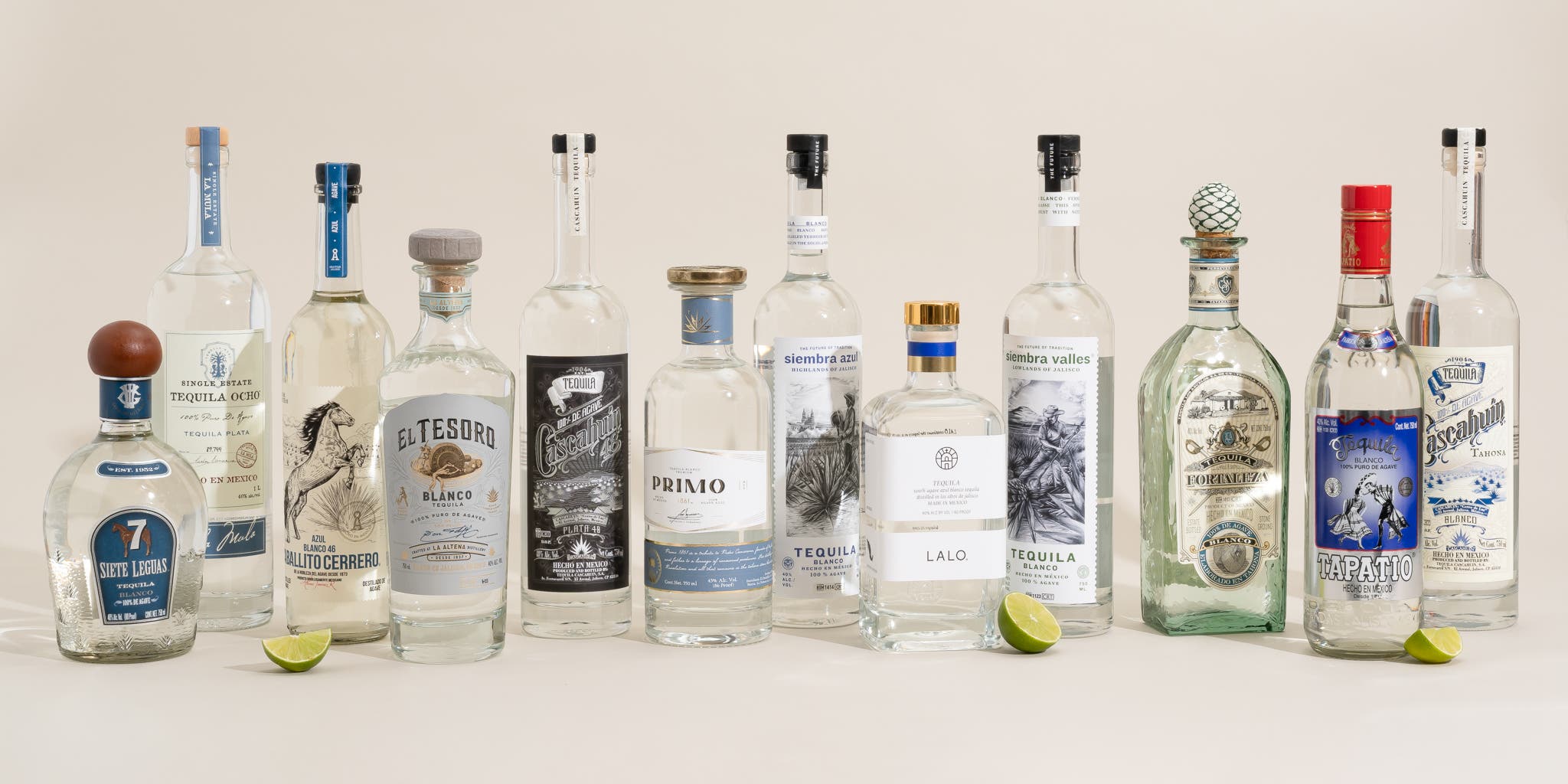
Fortaleza: This brand is renowned for its traditional production methods, including the use of a tahona and slow fermentation. Their blancos are particularly highly regarded, offering a robust agave flavor. They are a consistent performer, and highly sought after by tequila aficionados.
Tears of Llorona: A small-batch producer focusing on extra añejo expressions. They are known for their unique barrel finishing techniques, using a variety of oak types to impart complex flavors. Their tequilas are often described as rich and decadent.
El Tesoro: Another brand committed to traditional methods, El Tesoro offers a range of expressions, from blanco to extra añejo. They consistently deliver high-quality tequila with a focus on showcasing the agave’s natural flavors. Their Reposado Perdidos is a standout.
Siete Leguas: A historic distillery known for its commitment to quality and authenticity. They produce a range of tequilas, including a highly regarded blanco and a complex añejo. The distillery utilizes traditional methods and focuses on slow, patient production.
Clase Azul: While sometimes criticized for its price point, Clase Azul is undeniably a visually striking and well-made tequila. Their focus on presentation and quality has made them a popular choice for gifting. Their Reposado is a good starting point.
Volcan De Mi Tierra: Created in collaboration with Moët Hennessy, Volcan De Mi Tierra emphasizes the volcanic soil in which the agave is grown. Their tequilas are known for their smooth texture and complex aromas. It's a unique brand with a compelling story.
Premium Tequilas to Elevate Your Collection

Silver tequila flavoring for cocktails · Enhances the taste of tequila-based drinks · Convenient for home bar use
This flavoring offers a way to enhance tequila-based cocktails, providing a premium taste experience for those looking to elevate their home mixology.
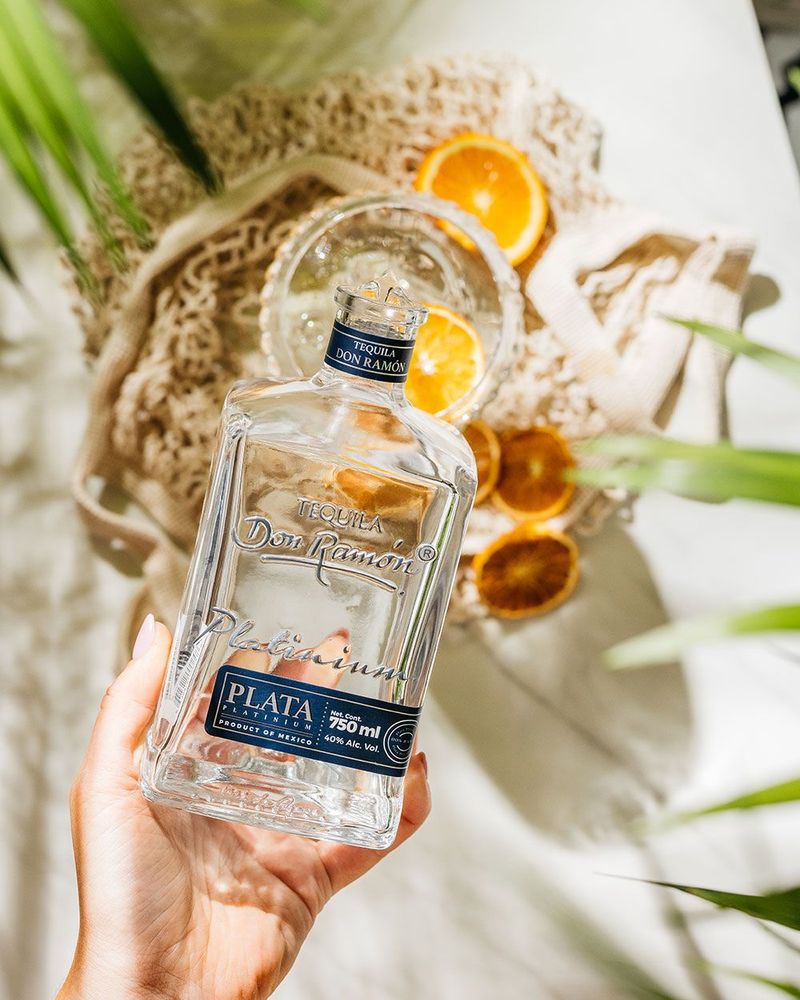
100% Blue Weber Agave · Distilled in small batches · Smooth and crisp flavor profile
Don Ramón Platinum Tequila Silver is a distinguished choice, crafted from 100% Blue Weber Agave and known for its exceptionally smooth and crisp profile, making it a standout premium option.
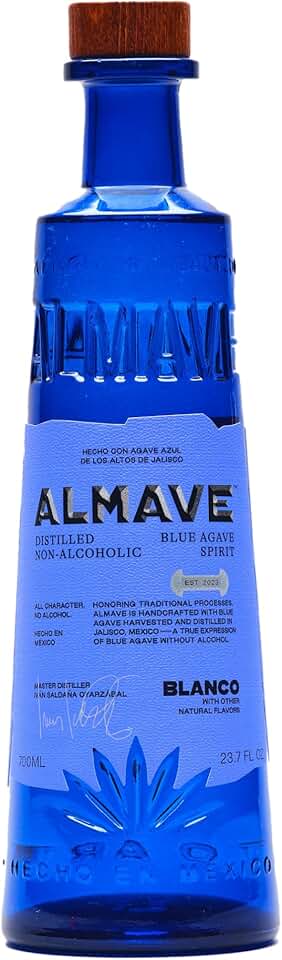
Premium non-alcoholic tequila alternative · Made with authentic Blue Agave · Handcrafted in Jalisco, Mexico
ALMAVE Blanco offers a sophisticated non-alcoholic option for tequila enthusiasts, meticulously crafted from Blue Agave in Jalisco to deliver a premium experience without the alcohol.

Authentic Patron Silver empty bottles · Ideal for decorative centerpieces · Adds a rustic chic aesthetic
For those who appreciate the aesthetics of premium spirits, these authentic Patron Silver empty bottles provide a stylish and unique decorative element for any home.
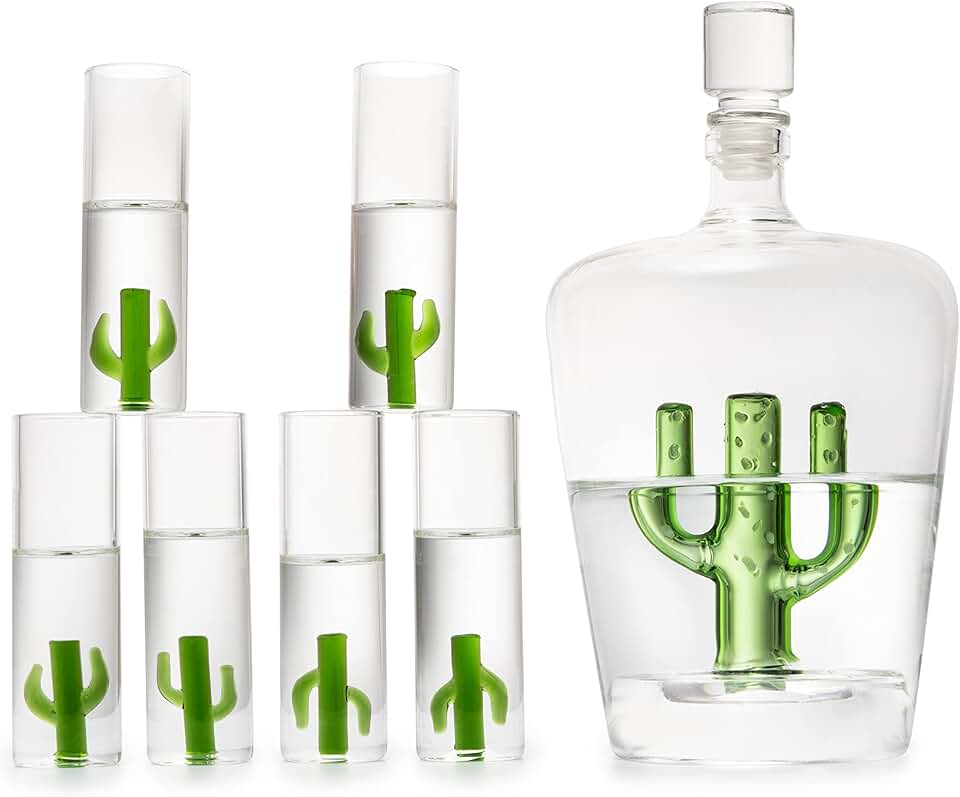
Tequila decanter set with cactus design · Includes 6 cactus shot glasses · 25-ounce decanter capacity
This unique cactus-themed decanter set is a perfect gift for tequila lovers, offering a distinctive way to serve and display their favorite reposado or other tequila varieties.
As an Amazon Associate I earn from qualifying purchases. Prices may vary.
Decoding Tequila Labels: What to Look For
Understanding a tequila label can be surprisingly complex. It's about more than just the brand name and price. Several key pieces of information can tell you a lot about the quality and authenticity of the tequila.
The NOM number (Norma Oficial Mexicana) is a crucial identifier. It's a unique code assigned to each distillery, allowing you to trace the tequila back to its origin. I’ve always found it confusing to look up, but it’s a solid way to verify the tequila's legitimacy. You can search for NOM numbers on tequila-specific databases online.
The 100% agave designation is vital. Tequila labeled "100% agave" must be made entirely from blue Weber agave. Mixto tequila, on the other hand, can contain up to 49% other sugars. 100% agave tequila is generally considered to be of higher quality. The category (blanco, reposado, añejo, extra añejo) indicates the aging process, which significantly impacts the flavor profile.
Be wary of labels that make exaggerated claims or use misleading terminology. Look for transparency and detailed information about the production process. Also, be aware that some brands use creative marketing tactics to suggest a higher quality than they actually deliver. Always research a brand before making a purchase.
Tequila & Food: Perfect Pairings
Tequila isn’t just for sipping or mixing into cocktails; it can also be a fantastic accompaniment to food. The key is to consider the tequila’s flavor profile and choose pairings that complement or contrast those flavors.
Blanco tequila, with its crisp, agave-forward flavor, pairs well with light and fresh dishes. Think ceviche, sushi, or grilled fish. The tequila’s acidity cuts through the richness of the fish, creating a balanced and refreshing experience. Reposado tequila, with its subtle oak notes, complements grilled meats, roasted vegetables, and mild cheeses.
Añejo tequila, with its complex flavors of vanilla, caramel, and spice, is a natural pairing for richer, more flavorful dishes. Try it with mole, dark chocolate desserts, or aged cheeses. The tequila’s complexity enhances the flavors of the food. Extra añejo tequilas can even stand up to hearty stews and smoked meats.
I’m not sure about pairing tequila with seafood, but I'm open to it. The key is finding the right balance. A delicate blanco tequila can work well with certain types of seafood, but it requires careful consideration. Don’t be afraid to experiment and find your own perfect pairings.
Tequila Expression & Food Pairing Guide
| Tequila Type | Spicy Cuisine | Savory Dishes | Sweet Desserts | Seafood | Grilled Meats |
|---|---|---|---|---|---|
| Blanco (Silver) | Excellent | Good | Okay | Good | Okay |
| Reposado | Good | Excellent | Good | Okay | Excellent |
| Añejo | Okay | Excellent | Excellent | Good | Good |
| Extra Añejo | Avoid | Good | Excellent | Okay | Good |
| Cristalino | Good | Excellent | Good | Excellent | Excellent |
| Altos Plata (Blanco) | Excellent | Good | Okay | Good | Okay |
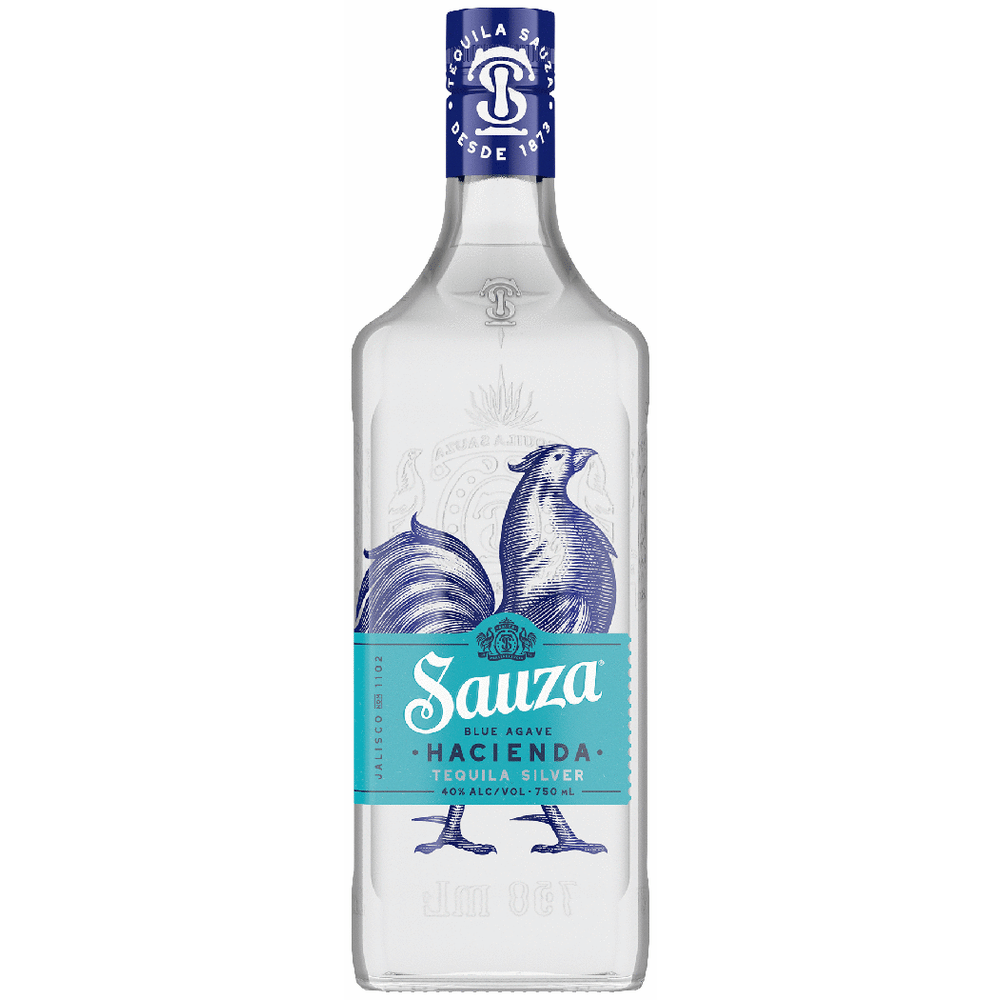
| Sauza Reposado | Good | Excellent | Good | Okay | Excellent |
| Don Ramon Añejo | Okay | Excellent | Excellent | Good | Good |
Illustrative comparison based on the article research brief. Verify current pricing, limits, and product details in the official docs before relying on it.
Mezcal vs. Tequila: Knowing the Difference
While often confused, mezcal and tequila are distinct spirits. Both are made from agave, but the differences in production methods and agave varieties result in unique flavor profiles. Tequila can only be made from the blue Weber agave, and it must be produced in specific regions of Mexico.
Mezcal, on the other hand, can be made from a wider variety of agave species, and production isn’t restricted to specific regions. A key difference lies in how the agave is cooked. Tequila typically uses steam ovens, while mezcal often uses earthen pits lined with hot rocks. This imparts a smoky flavor to mezcal that is rarely found in tequila.
The resulting flavor profiles are also quite different. Tequila tends to be brighter and more floral. Mezcal is often described as smoky, earthy, and complex. Both are delicious, just different. It really comes down to personal preference.
Don't think of one as being inherently "better" than the other. They are simply different expressions of agave. Both mezcal and tequila offer a rich history and a vibrant culture, and both deserve to be explored and appreciated.
No comments yet. Be the first to share your thoughts!