

Beyond the Salt & Lime
Let's be honest: the tequila shot ritual – slam it back with salt and lime – isn’t doing this spirit any favors. It's a practice born more from a need to mask flavor than to enjoy it. For too long, tequila has been relegated to the realm of quick shots and rowdy parties, but it’s so much more than that. Tequila deserves to be savored, contemplated, and truly tasted.
Historically, tequila was celebrated as a spirit to be sipped, a tradition dating back to the 16th century when the Spanish first encountered the agave plant. The shift towards shots came later, largely fueled by mass-produced, lower-quality tequilas. Thankfully, we’re seeing a resurgence in appreciation for artisanal, 100% agave tequilas, and a growing understanding that this is a spirit with incredible depth and complexity.
This isn’t about being pretentious; it's about unlocking a world of flavor most people are missing. We’re talking about notes of citrus, pepper, vanilla, caramel, and so much more. It's about appreciating the craftsmanship and the terroir that goes into each bottle. Forget the grimace, and prepare to experience tequila like a pro.
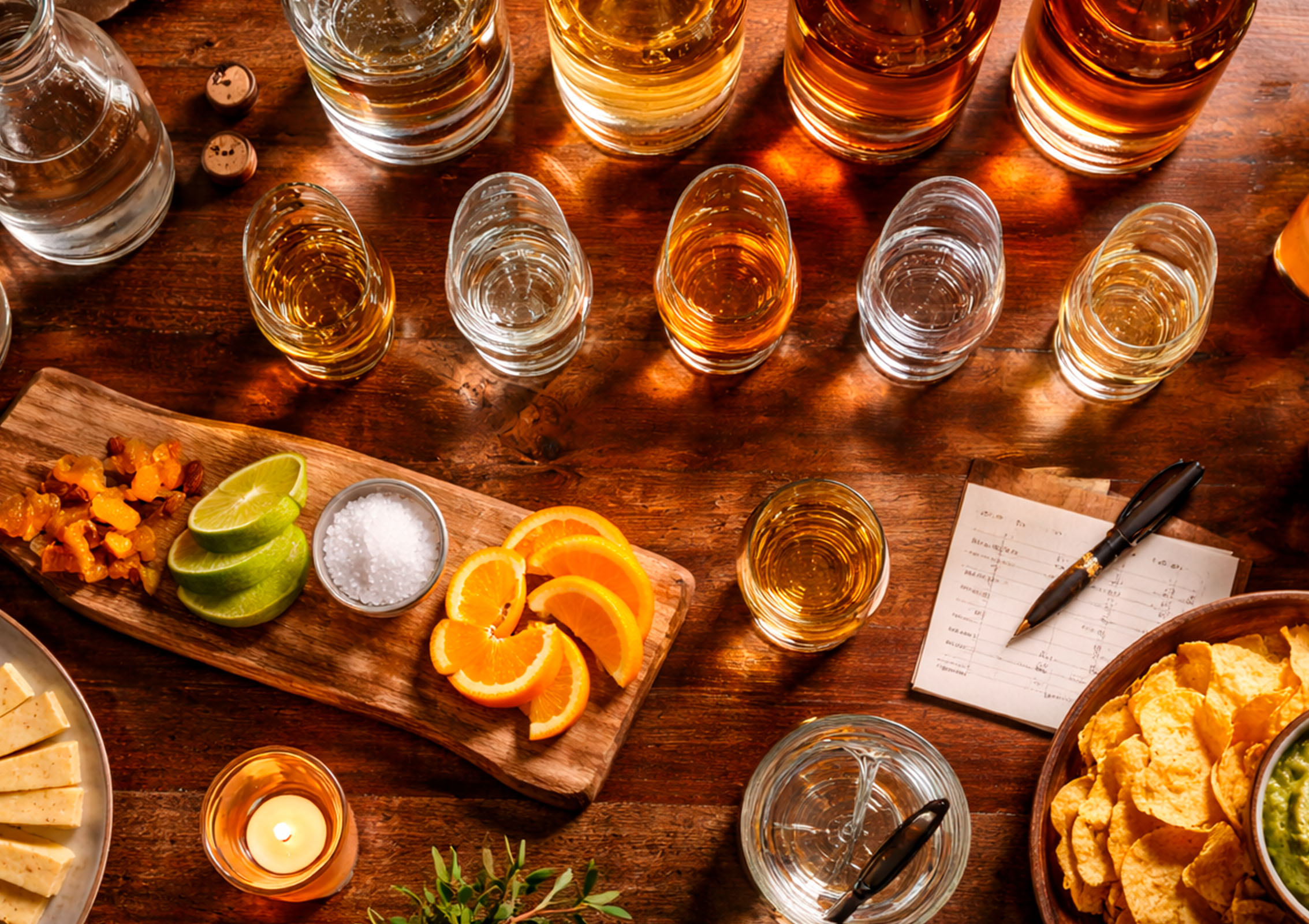
Decoding Tequila Types
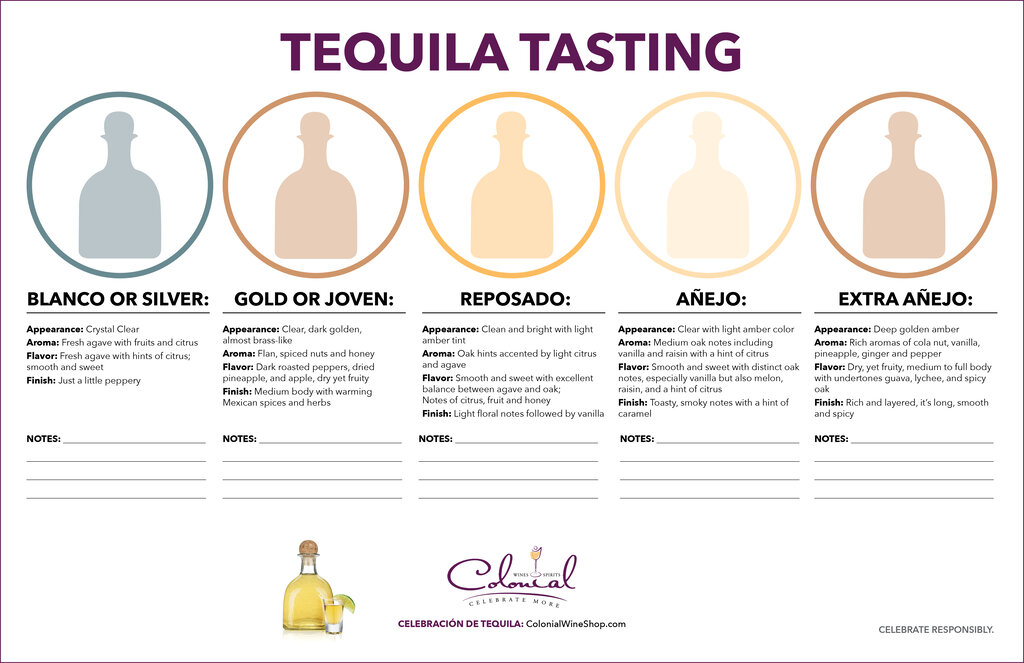
The world of tequila can seem daunting, with numerous brands and categories. But understanding the different types is key to appreciating the nuances of the spirit. There are five main categories, defined primarily by how long the tequila is aged.
First, there’s Blanco (also known as Silver) tequila. This is tequila bottled directly after distillation, or aged for less than two months in stainless steel tanks. It’s the purest expression of the agave, showcasing bright, fresh flavors. Then you have Joven (Gold) tequila, which is typically a Blanco tequila that has been colored and flavored with caramel coloring, oak extract, and sometimes other additives. It's generally considered a less sophisticated option.
Next comes Reposado tequila, aged between two months and less than a year in oak barrels. This aging process imparts a subtle golden hue and adds notes of vanilla, caramel, and spice. Añejo tequila is aged between one and three years in oak barrels, resulting in a darker color and a more complex flavor profile – think richer vanilla, cinnamon, and chocolate notes. Finally, Extra Añejo tequila is aged for more than three years, offering an incredibly smooth and sophisticated experience with deep, complex flavors.
It’s also crucial to understand the difference between Mixto and 100% Agave tequila. Mixto tequilas contain at least 51% agave sugar, with the remainder coming from other sugars like corn or cane. 100% Agave tequilas, as the name suggests, are made entirely from the sugars of the blue Weber agave plant. Always opt for 100% Agave – the difference in quality is significant. More recently, cristalino tequilas have emerged, these are typically Añejo or Extra Añejo tequilas that have been filtered to remove their color, offering a unique combination of aged flavors and Blanco-like clarity.
- Blanco (Silver): Unaged, pure agave flavor.
- Joven (Gold): Blanco with coloring and flavoring.
- Reposado: Aged 2 months – 1 year, subtle oak influence.
- Añejo: Aged 1 – 3 years, rich and complex.
- Extra Añejo: Aged over 3 years, incredibly smooth and sophisticated.
- Cristalino: Aged then filtered for clarity.
A Guide to Tequila Types
| Tequila Type | Agave Percentage | Aging Time | Common Flavors | Best Uses |
|---|---|---|---|---|
| Blanco (Silver) | 100% Agave or minimum 51% Agave | Bottled immediately after distillation, or rested up to 60 days in stainless steel tanks. | Bright agave, citrus, pepper, sometimes herbal notes. | Margaritas, Palomas, cocktails where the agave flavor should be prominent, or enjoyed neat by agave purists. |
| Joven (Gold) | 100% Agave or minimum 51% Agave | Blanco tequila that has been colored and flavored with caramel coloring, oak extract, and/or other additives. | Agave, caramel, vanilla, oak (depending on additives). | Cocktails, particularly those where a smoother, sweeter profile is desired. |
| Reposado | 100% Agave or minimum 51% Agave | Aged between 2 months and less than a year in oak barrels. | Agave, vanilla, caramel, light oak, spice. | Margaritas, sipping neat or on the rocks, classic tequila cocktails. |
| Añejo | 100% Agave | Aged between 1 and 3 years in oak barrels. | Vanilla, caramel, chocolate, oak, spice, cooked agave. | Sipping neat, enjoying in a snifter, or in sophisticated cocktails. |
| Extra Añejo | 100% Agave | Aged for more than 3 years in oak barrels. | Rich vanilla, caramel, chocolate, dried fruit, oak, complex agave notes. | Sipping neat, similar to a fine whiskey or brandy. Best enjoyed slowly to appreciate the complexity. |
Illustrative comparison based on the article research brief. Verify current pricing, limits, and product details in the official docs before relying on it.
Glassware Matters, Seriously
Don’t underestimate the impact of glassware on your tequila experience. Ditch the shot glass. It’s simply not designed to showcase the spirit’s aromas or allow for proper appreciation of its color and viscosity. Instead, opt for a tulip-shaped glass – similar to those used for cognac or fine wines. This shape concentrates the aromas, directing them towards your nose.
The tulip shape also allows you to swirl the tequila, releasing even more aromas and observing its 'legs' (the streaks that form on the glass after swirling), which indicate the alcohol content and viscosity. For Blanco tequilas, a slightly wider mouth can be beneficial, allowing for a more open expression of the agave's freshness. For Añejo and Extra Añejo tequilas, a narrower mouth will help to focus the more complex aromas.
Even the rim of the glass matters. Avoid salted rims – they mask the tequila’s delicate flavors. A clean, polished rim is all you need. You want to taste the tequila, not salt.
The Art of the Sip
Tasting tequila is a multi-sensory experience. It's not just about taking a sip; it’s about engaging all your senses. Begin by looking at the tequila. Observe its color – does it vary across the spectrum? – and viscosity. Swirl the tequila gently in the glass and note how it coats the sides. This gives you clues about its body and alcohol content.
Next, smell the tequila. Bring the glass to your nose and inhale deeply. What aromas do you detect? Common notes include citrus, pepper, vanilla, caramel, floral, and earthy tones. Don’t be afraid to take multiple sniffs, and try to identify the individual aromas. This is where a good glass really shines.
Now, sip the tequila. Take a small sip and let it coat your mouth. Pay attention to the flavors that develop on your palate – do they match the aromas you detected? Note the texture and how it feels in your mouth. Finally, savor the finish. The finish is the lingering aftertaste that remains after you swallow. A long, pleasant finish is a sign of a high-quality tequila. Palate cleansing with water or plain crackers between sips is also recommended.
- Look: Observe color and viscosity.
- Smell: Identify aromas.
- Sip: Coat your mouth and note flavors.
- Savor: Experience the finish.
Pairing Tequila with Food
Tequila is surprisingly versatile when it comes to food pairings. It’s not just about tacos and salsa (though those can be great too!). The key is to consider the tequila’s flavor profile and find foods that complement or contrast it. Blanco tequilas, with their bright, herbaceous flavors, pair beautifully with fresh seafood like ceviche or sushi.
Reposado tequilas, with their subtle oak notes, work well with roasted chicken, pork, or mild cheeses. Añejo tequilas, with their richer, more complex flavors, are a fantastic match for dark chocolate, aged cheeses, or even grilled steak. Extra Añejo tequilas can stand up to hearty desserts or be enjoyed alongside a fine cigar.
The goal is to create a harmonious balance between the tequila and the food. For example, the citrus notes in a Blanco tequila can cut through the richness of avocado in guacamole, while the caramel notes in an Añejo tequila can complement the bitterness of dark chocolate. Don’t be afraid to experiment and find your own favorite pairings.
Cocktails: When Mixing is Good
While sipping tequila neat is the best way to appreciate its nuances, there’s a time and place for cocktails. When mixing, always use 100% agave tequila – the quality will shine through. The Margarita is, of course, a classic: 2 oz tequila, 1 oz Cointreau, 1 oz fresh lime juice. The Paloma, a refreshing alternative, combines tequila, grapefruit soda, and lime juice.
The Tequila Sunrise, with its vibrant layers, is another popular choice: tequila, orange juice, and grenadine. But don’t limit yourself to these standards. Explore more sophisticated tequila cocktails, like a tequila old fashioned or a tequila negroni. The type of tequila you use will significantly impact the cocktail's flavor. Blanco tequilas lend a crisp, clean taste, while Añejo tequilas add depth and complexity.
Here’s a simple recipe for a modern twist: Spicy Pineapple Margarita: 2 oz Blanco tequila, 1 oz pineapple juice, 0.75 oz lime juice, 0.5 oz agave nectar, 1-2 slices of jalapeño. Shake with ice and strain into a salt-rimmed glass.
Classic Tequila Cocktails
- Margarita - Perhaps the most iconic tequila cocktail, the Margarita blends tequila, orange liqueur (like Cointreau), and lime juice. Variations abound, but a classic preparation highlights the tequila’s flavor.
- Paloma - A refreshing and bubbly choice, the Paloma combines tequila, grapefruit soda (Jarritos is a popular brand), lime juice, and a pinch of salt. It's a favorite in Mexico for a reason.
- Tequila Sunrise - A visually stunning drink, the Tequila Sunrise features tequila, orange juice, and grenadine, creating a layered effect reminiscent of a sunrise. It’s a sweeter option.
- El Diablo - A sophisticated cocktail with a spicy kick, the El Diablo mixes tequila, crème de cassis, lime juice, and ginger beer. It's a complex and flavorful drink.
- Matador - A simple yet elegant cocktail, the Matador combines tequila, pineapple juice, and a splash of lime juice. It’s a great introduction to tequila cocktails for those new to the spirit.
- Ranch Water - Originating in Texas, Ranch Water is a minimalist cocktail consisting of tequila, Topo Chico mineral water, and lime juice. It’s a crisp and refreshing drink perfect for warm weather.
- Carajillo - A Spanish-influenced drink gaining popularity, the Carajillo blends tequila with coffee liqueur (like Licor 43) and often a shot of espresso. It’s a unique after-dinner option.
Tequila vs. Mezcal: What’s the Difference?
Tequila and mezcal are often confused, but they are distinct spirits. Both are made from the agave plant, but they differ in the type of agave used and the production process. Tequila can only be made from the blue Weber agave, and it must be produced in specific regions of Mexico.
The key difference lies in how the agave is cooked. For tequila, the agave hearts (piñas) are typically steamed in ovens. For mezcal, the agave is traditionally roasted in underground earthen pits, giving it a smoky flavor. This smoky character is the defining characteristic of mezcal. While some tequilas employ pit roasting, it's far more common in mezcal production.
As a result, mezcal tends to have a wider range of flavors, often described as smoky, earthy, and vegetal, while tequila generally has brighter, more floral, and fruity notes. Both are incredible spirits, but they offer very different drinking experiences. Exploring both will broaden your appreciation for agave-based spirits.
Troubleshooting Common Mistakes
Many people unknowingly sabotage their tequila experience. Drinking too quickly is a major culprit – you miss out on the nuances of the flavor. Slow down, savor each sip, and take your time. Using the wrong glassware is another common error, as we discussed earlier. Ditch the shot glass and invest in a tulip-shaped glass.
Not paying attention to the aroma is also a mistake. Your sense of smell contributes significantly to your perception of flavor. Take a moment to inhale the tequila’s aromas before you sip. And, of course, the biggest mistake of all: drowning it in salt and lime. This masks the tequila’s true flavors and prevents you from appreciating its complexity.
Finally, don’t be afraid to experiment. Try different tequila types, different glassware, and different food pairings. The more you explore, the more you’ll discover the wonderful world of tequila.

No comments yet. Be the first to share your thoughts!