

Beyond Blanco: Premium Tequila for 2026
The world of tequila is changing, and quickly. Demand for premium expressions is climbing, driven by a growing appreciation for quality craftsmanship and the unique characteristics of 100% agave tequila. It’s not simply about spending more money; consumers are becoming more discerning, seeking out brands with a story and a commitment to tradition. We’re seeing a shift away from solely focusing on Blanco tequilas to a broader exploration of Reposado, Añejo, and even extra-aged varieties.
This isn't a fleeting trend. According to Robb Report, identifying the '50 Best Tequilas of the 21st Century So Far' shows a clear movement toward appreciating the depth and complexity tequila can offer. The premium sector is responding with innovation and a renewed focus on the source – the agave itself. Expect to see this continue into 2026, with brands increasingly emphasizing their production methods and the provenance of their agave.
For the purposes of this guide, 'premium' means tequilas that demonstrate a clear commitment to 100% agave, exhibit nuanced flavor profiles, and are produced with a focus on quality over quantity. Price is a factor, of course, but it’s not the only determining one. We'll be looking at brands that are setting the standard for excellence and are poised to remain relevant – and delicious – in the years to come.
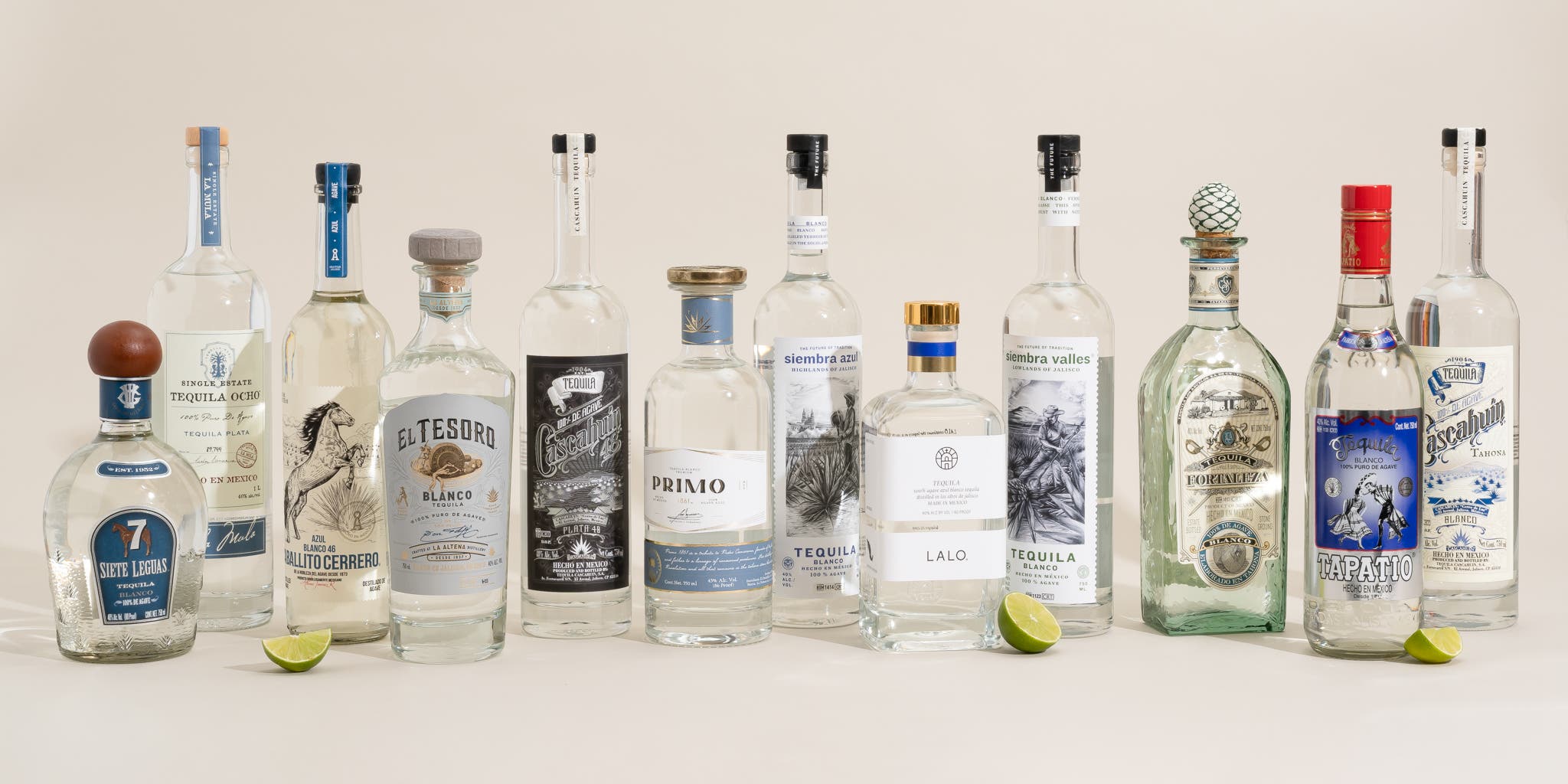
Altos: The Bartender's Choice
Altos tequila has become something of a darling in the cocktail world, and for good reason. Founded by the late Dr. Jesús Hernández, a third-generation tequila producer, and Henry Besant, a British spirits entrepreneur, Altos deliberately set out to create a tequila that was both high-quality and accessible to bartenders. They’ve largely succeeded. The brand’s commitment to using traditional methods – including tahona extraction – alongside modern techniques is a key part of its appeal.
What really sets Altos apart is its dedication to working directly with agave farmers. They don't own the farms themselves, but they cultivate strong relationships, ensuring a consistent supply of high-quality agave. This hands-on approach allows for greater control over the entire production process. They offer a range of expressions: Plata (Blanco), Reposado, and Añejo, each offering a distinct character.
I've spoken with numerous bartenders over the years who consistently reach for Altos when crafting tequila-based cocktails. The consistent quality and clean flavor profile make it incredibly versatile. One bartender in Austin, Texas, told me, 'Altos just works. It doesn't fight with other ingredients, and it always delivers a smooth, balanced drink.' That kind of feedback speaks volumes. The Plata is particularly favored for its bright, citrusy notes, while the Reposado gains complexity from its time in oak.
The use of both roller mills and a traditional tahona, a large stone wheel used to crush the agave, is a unique blend of old and new. This results in a tequila that retains the robust flavors of the agave while benefiting from the efficiency of modern production. It’s a blend that clearly resonates with professionals.
Sauza: A Legacy Reimagined
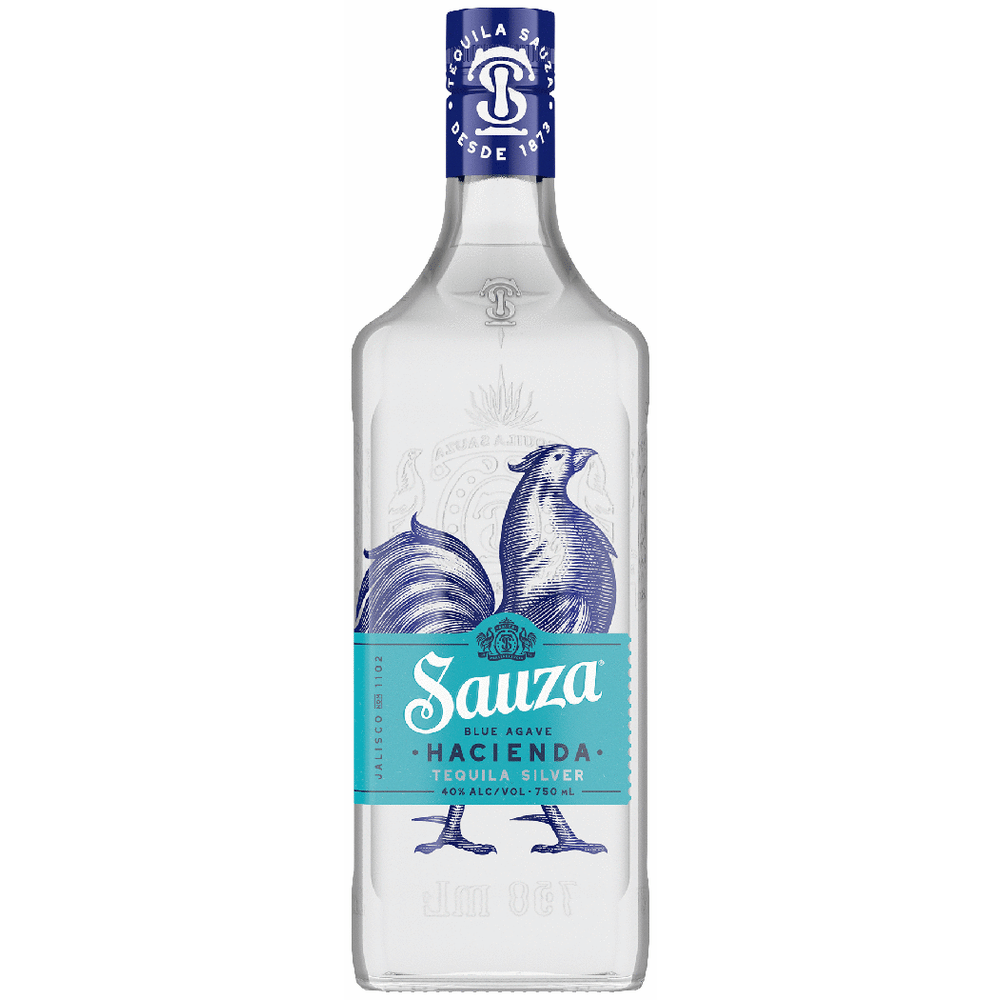
Sauza is a name synonymous with tequila, boasting a history stretching back to 1873 when Don Francisco Javier Sauza began producing tequila in the town of Tequila, Jalisco. For a long time, the brand was perhaps best known for its more affordable, mixto tequilas. However, Sauza has undergone a significant transformation in recent years, focusing almost entirely on 100% agave expressions and elevating its image within the premium sector.
This shift is evident in their current lineup. The Sauza Plata is a bright and clean Blanco, showcasing the pure flavors of the blue Weber agave. The Reposado spends six to eight months in American oak barrels, imparting subtle vanilla and caramel notes. The Añejo is aged for a minimum of 18 months, resulting in a smoother, more complex spirit. They’ve also released limited-edition expressions, experimenting with different aging techniques and agave varietals.
Sauza’s commitment to 100% agave is a crucial part of this reimagining. They've invested heavily in improving their agave sourcing and production processes. They've also adopted more sustainable practices, recognizing the importance of protecting the agave fields for future generations. It's a delicate balance – honoring a long tradition while adapting to the demands of a modern market.
While Sauza might not have the same "buzz" as some of the newer, craft-focused brands, its legacy and ongoing commitment to quality make it a strong contender in the premium tequila space. They're successfully bridging the gap between tradition and innovation, appealing to both seasoned tequila drinkers and newcomers.
Don Ramon: The Icon Continues
Don Ramon tequila is a classic for a reason. Launched in 1975, it quickly became a symbol of premium tequila, recognizable for its distinctive bottle and consistent quality. It remains one of the best-selling premium tequilas globally, and its enduring appeal speaks to its masterful production and carefully cultivated brand image.
The Don Ramon process emphasizes slow cooking of the agave in brick ovens, followed by a double distillation. This meticulous approach aims to extract the maximum flavor from the agave while ensuring a smooth, refined spirit. They offer three core expressions: Plata, Reposado, and Añejo. The Plata is known for its crisp, clean taste, while the Reposado gains complexity from its time in oak, developing notes of vanilla and spice.
The Añejo, aged for a minimum of one year in oak barrels, is particularly noteworthy, offering a rich, smooth flavor profile with hints of caramel, chocolate, and dried fruit. It’s a tequila that’s meant to be savored, sipped neat or enjoyed in a classic cocktail. TasteTequila.com consistently ranks Don Ramon among the top tequilas for its consistent quality.
I’ve observed that Don Ramon is actively trying to appeal to a younger demographic without alienating its existing customer base. They’ve been involved in collaborations with artists and designers, and their social media presence is becoming more sophisticated. It's a smart strategy for ensuring the brand remains relevant for years to come. It will be interesting to see how Don Ramon continues to evolve while maintaining its iconic status.
Beyond the Big Three: Rising Stars
While Altos, Sauza, and Don Ramon represent established players in the premium tequila market, several other brands are gaining recognition for their quality and innovation. These smaller producers are often focused on traditional methods and unique agave varietals, offering tequila drinkers something different.
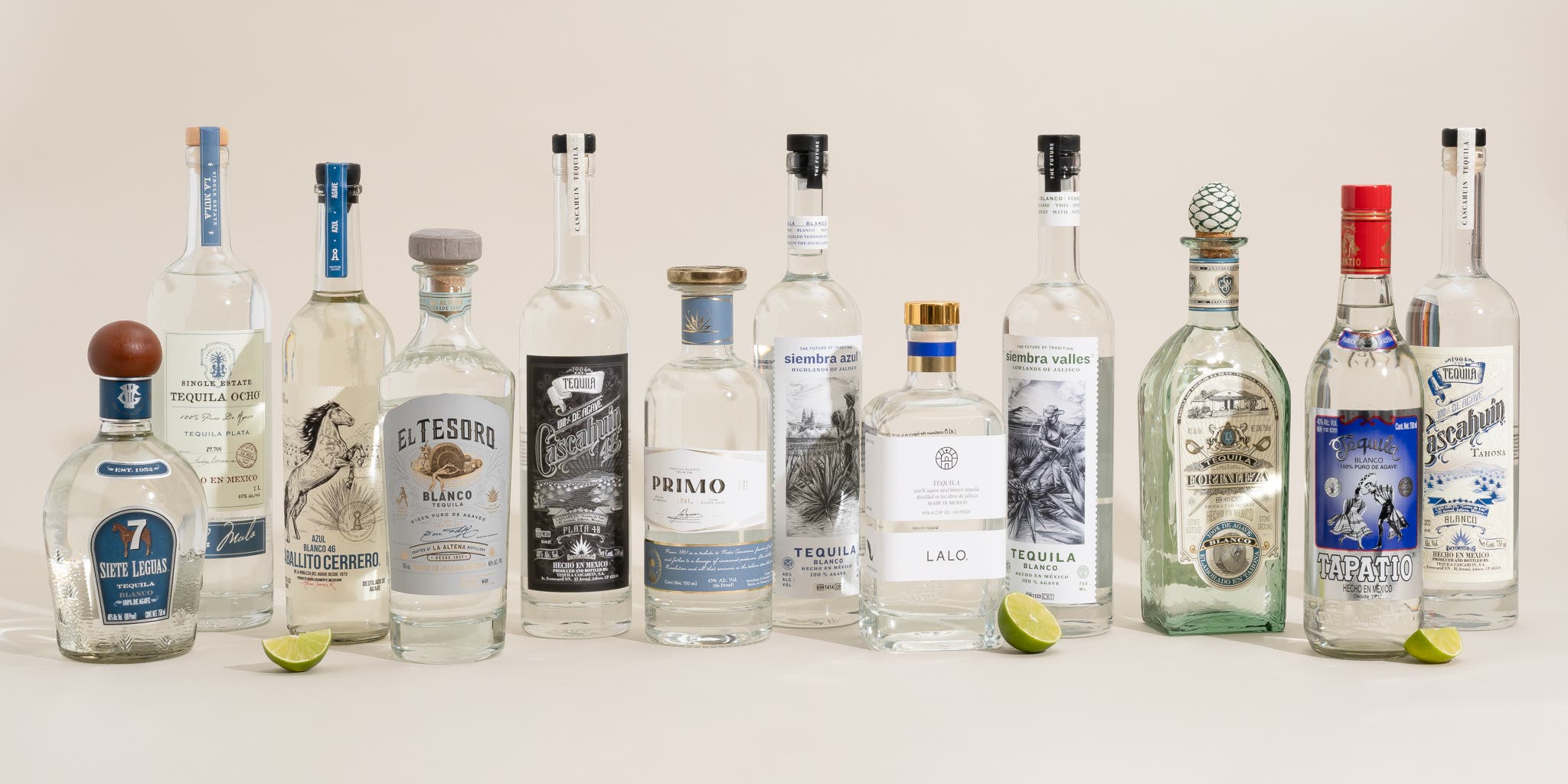
Fortaleza is a standout. This brand is dedicated to producing tequila using entirely traditional methods, including a stone tahona and wood fermentation. Their expressions, particularly the Blanco and Reposado, are known for their robust agave flavor and complex character. They're a favorite among tequila aficionados who appreciate authenticity.
G4 is another brand to watch. Founded by Julio Gonzalez (of Tres Agaves fame), G4 focuses on producing small-batch, single-estate tequilas. They control every aspect of the production process, from agave cultivation to bottling, ensuring exceptional quality. Their Plata is particularly impressive, showcasing the purity of the agave.
El Tesoro is a brand with a long history and a strong reputation for quality. They use traditional methods, including stone grinding and wood fermentation, to create tequilas with a distinctive flavor profile. Their Añejo is a particularly sought-after expression, known for its smoothness and complexity. These brands aren't just making tequila; they’re preserving a tradition.
Premium Tequilas to Elevate Your Collection

Silver Tequila Flavoring · Designed for cocktails and mixed drinks · Adds authentic tequila notes
This flavoring offers a cost-effective way to impart tequila notes into beverages without using actual tequila.
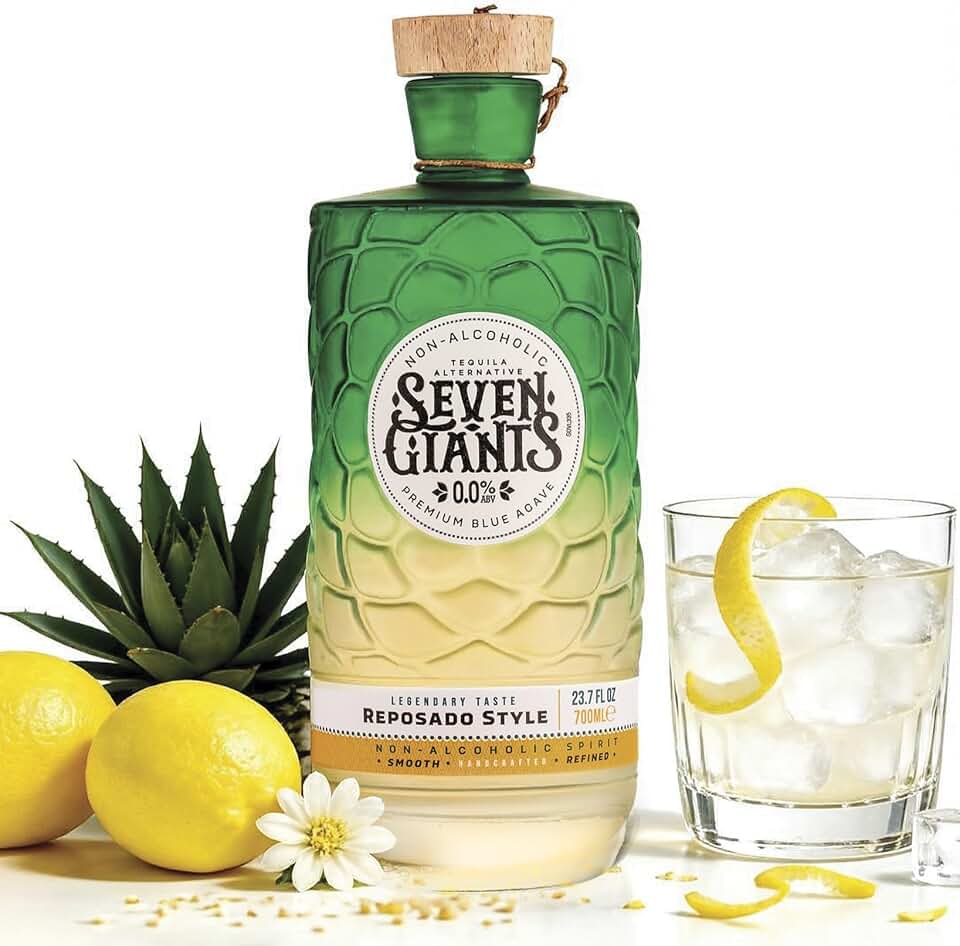
Non-alcoholic tequila alternative · Reposado style profile · Premium spirits crafted by Spirits of Virtue
For those seeking the tequila experience without alcohol, this premium non-alcoholic spirit provides a sophisticated alternative.

Set of 4 crystal snifter copita glasses · 5.5 oz capacity · Ideal for tasting Blanco, Reposado, and Anejo tequilas
Elevate your tequila tasting with these specialized glasses designed to enhance aroma and flavor perception.
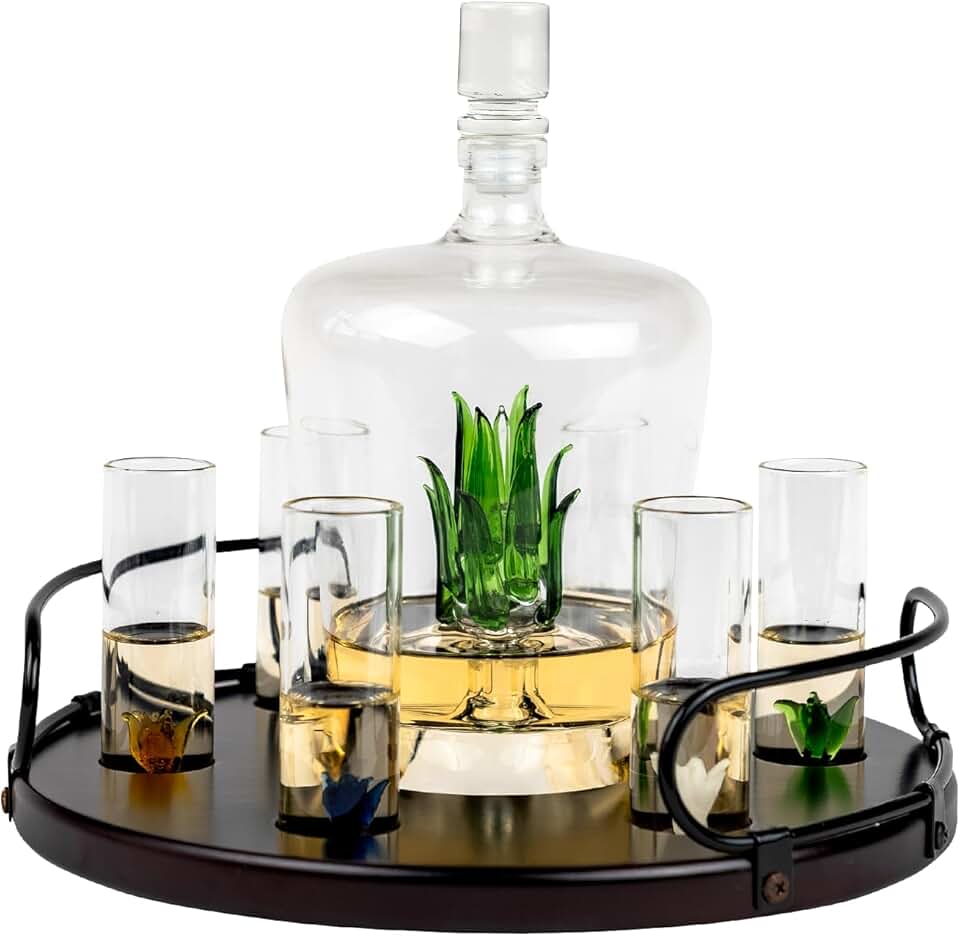
Tequila decanter and 6 shot glasses set · Features an agave-shaped decanter and stand · Includes 3 oz shot glasses
This elegant agave-themed set makes a striking presentation for serving tequila and is an ideal gift for enthusiasts.
As an Amazon Associate I earn from qualifying purchases. Prices may vary.
Tequila vs. Mezcal: A Quick Guide
Tequila and mezcal are often confused, but they are distinct spirits with different production methods and flavor profiles. Both are made from the agave plant, but tequila can only be made from blue Weber agave and must be produced in specific regions of Mexico – primarily in the state of Jalisco. Mezcal, on the other hand, can be made from over 30 different varieties of agave and is produced in various regions across Mexico.
The key difference lies in the cooking process. Tequila agave is typically steamed in industrial ovens, while mezcal agave is traditionally roasted in earthen pits lined with hot rocks. This roasting process imparts a smoky flavor to mezcal, which is often its defining characteristic. However, it’s a misconception that all mezcal is heavily smoky. The level of smokiness depends on the agave varietal and the roasting technique.
Tequila generally has a cleaner, brighter flavor profile, with notes of citrus, vanilla, and agave. Mezcal, in addition to potential smokiness, can exhibit a wider range of flavors, including floral, fruity, and earthy notes. Both spirits offer a fascinating glimpse into the diversity of agave and the artistry of Mexican distilling.
Tequila vs. Mezcal: A Comparative Overview
| Agave Type | Production Method (Roasting) | Flavor Profile | Typical Region |
|---|---|---|---|
| Blue Weber Agave | Typically steamed or baked in industrial ovens (autoclaves or hornos) | Generally clean, bright, and often exhibits notes of citrus, vanilla, and sweetness. | Jalisco (predominantly), but also parts of Guanajuato, Michoacán, Nayarit, and Tamaulipas |
| Various Agave Species (Espadín is most common, but can include Tobalá, Tepeztate, etc.) | Traditionally roasted in earthen pits lined with lava rocks, heated with wood and charcoal. | Smoky, earthy, and complex, with a wider range of flavor nuances depending on the agave species used. Often includes vegetal, herbal, and sometimes fruity notes. | Oaxaca (predominantly), but also Guerrero, Durango, San Luis Potosí, and Zacatecas |
| Regulation dictates 100% Blue Weber Agave for Tequila | Modern tequila production often utilizes efficient, high-volume cooking methods. | Flavor profiles can vary greatly depending on aging (Blanco, Reposado, Añejo, Extra Añejo) but generally aim for a refined and consistent taste. | Tequila’s Designated Region of Origin (DOT) |
| Mezcal does not have a single mandated agave type; diversity is key. | Pit roasting imparts a distinctive smoky character that is central to mezcal’s identity. | The flavor is often bolder and more rustic than tequila, showcasing the unique characteristics of the agave and the production process. | Diverse regions, each with unique microclimates and agave varietals. |
| Tequila is often double-distilled | Mezcal is commonly distilled once or twice, depending on the producer. | Distillation impacts the final smoothness and concentration of flavors. | Both Tequila and Mezcal are subject to distillation processes, but the number of distillations can vary. |
| Typically aged in oak barrels (often ex-bourbon barrels) for Reposado, Añejo, and Extra Añejo expressions. | Aging is less common in traditional mezcal production, though some producers are experimenting with barrel aging. | Aging significantly influences the color, aroma, and flavor of both tequila and mezcal. | Aging practices differentiate the styles within each spirit. |
Illustrative comparison based on the article research brief. Verify current pricing, limits, and product details in the official docs before relying on it.
Sipping Strategies: Enjoying Premium Tequila
The best way to appreciate a premium tequila is to savor it. Invest in proper glassware – a jicaro (a traditional gourd cup) or a Riedel Ouverture Tequila glass are excellent choices. Serve tequila at room temperature or slightly chilled. Avoid ice if possible, as it can dilute the flavors, though a single large cube can be acceptable.
When tasting, start by nosing the tequila – swirl it gently in the glass and inhale deeply. Pay attention to the aromas – what notes do you detect? Then, take a small sip and let it coat your palate. Notice the flavors and how they evolve over time. A drop of water can sometimes open up the flavors, but use it sparingly. Different expressions pair well with different foods. Blanco tequilas complement citrusy dishes and seafood, while Reposados and Añejos pair well with richer flavors like chocolate and grilled meats.
And, of course, there’s the tequila sunrise. To make a proper one, combine 1.5 oz of tequila (Blanco works best), 4 oz of orange juice, and a splash of grenadine in a highball glass filled with ice. Stir gently and garnish with an orange slice and a cherry. But don’t limit yourself to cocktails! Premium tequila deserves to be enjoyed neat or with minimal additions.
Ultimately, the best way to enjoy tequila is the way you enjoy it. Experiment with different expressions, glassware, and serving temperatures to discover what works best for your palate. Don’t be afraid to ask questions and learn from others. There's a whole world of tequila out there waiting to be explored.
Looking Ahead: Trends in Premium Tequila
The premium tequila market is dynamic and constantly evolving. One significant trend is the rise of cristalino tequilas – añejos or extra añejos that have been filtered to remove their color, resulting in a clear spirit with the complex flavors of aging. These tequilas are gaining popularity for their versatility and unique flavor profile.
We’re also seeing more brands experimenting with different agave varietals beyond blue Weber. Agaves like agave potatorum and agave americana are being used to create tequilas with distinct characteristics. This exploration of agave diversity is a positive development for the industry.
Sustainability is becoming increasingly important. Consumers are demanding more transparency and accountability from tequila producers, and brands are responding by adopting more sustainable farming practices and reducing their environmental impact. This includes water conservation, responsible agave harvesting, and minimizing waste. The future of premium tequila will likely be defined by these trends – innovation, diversity, and sustainability.
No comments yet. Be the first to share your thoughts!