

Beyond the Bottle: What Defines a 'Premium' Tequila?
The term 'premium' gets thrown around a lot when it comes to tequila, but what does it actually mean? It’s not simply about the price tag. A truly premium tequila starts with the agave plant itself. Look for tequilas labeled '100% agave' – this is non-negotiable. These are made entirely from the blue Weber agave, whereas 'mixto' tequilas can contain up to 49% other sugars, often corn syrup.
Beyond the agave source, production methods matter. Traditional techniques, like using a tahona – a large stone wheel – to crush the agave, are often indicators of quality. These methods extract the sugars more gently, resulting in more complex flavors. The NOM number, a unique identifier for each distillery, is also worth checking; it ensures traceability and authenticity.
Aging also plays a significant role. Blanco tequilas are bottled immediately after distillation, while Reposado tequilas are aged in oak barrels for two to eleven months, and Añejo tequilas for one to three years. The longer the aging, the more influence the oak has on the flavor profile, adding notes of vanilla, caramel, and spice. But even within these categories, there’s massive variation in quality and technique. It's about the whole process, not just the time spent in a barrel.
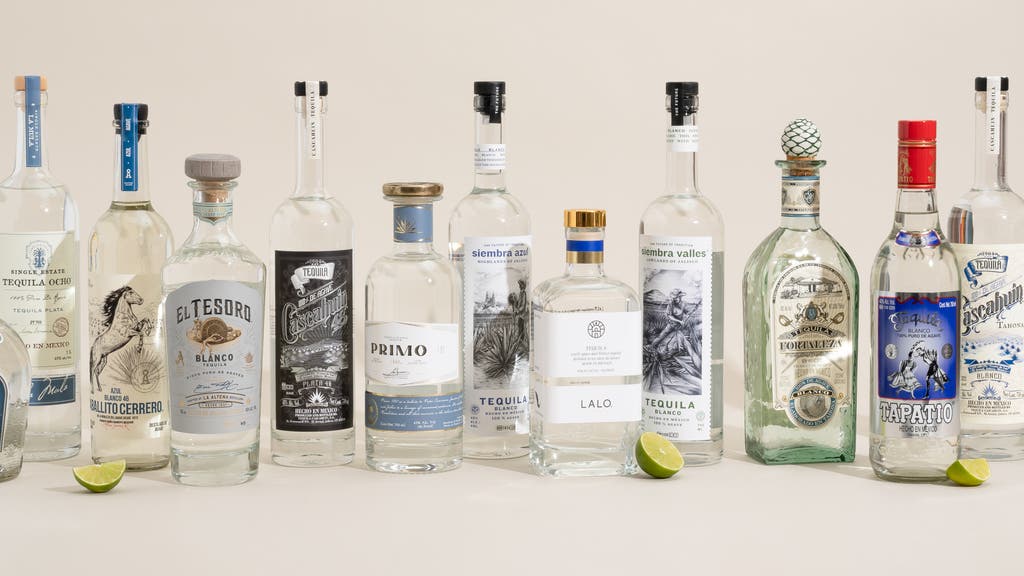
Altos Tequila: The Modern Blanco Champion?
Altos Tequila has quickly become a favorite among both bartenders and tequila enthusiasts, and for good reason. Founded in 2007 by the team behind Partida, Altos distinguishes itself with its commitment to traditional production methods blended with a modern sensibility. They’re one of the few brands that still uses a tahona wheel in their production process, albeit alongside more modern techniques.
The Altos range includes Plata (Blanco), Reposado, and Añejo expressions. The Plata is where Altos truly shines. It's known for its incredibly smooth texture and bright, clean flavor profile. You get pronounced agave notes, a touch of citrus, and a subtle peppery finish. It’s remarkably versatile – fantastic sipped neat, but equally excellent in cocktails like Margaritas and Palomas. The Reposado and Añejo are solid offerings, but the Plata is the star.
Some critics have pointed to Altos’ relatively large-scale production as a potential compromise on quality. However, I’ve consistently found that the consistent quality and flavor profile demonstrate a dedication to maintaining standards. The price point is also appealing, making it a relatively accessible 100% agave tequila. It provides a superb value proposition.
Altos also benefits from a strong connection to the bartending community. They actively engage with mixologists and support tequila education, which has helped build brand loyalty and recognition. It’s a brand that understands its audience and consistently delivers a quality product.
Sauza: A Legacy Brand Reimagined for Today's Palate
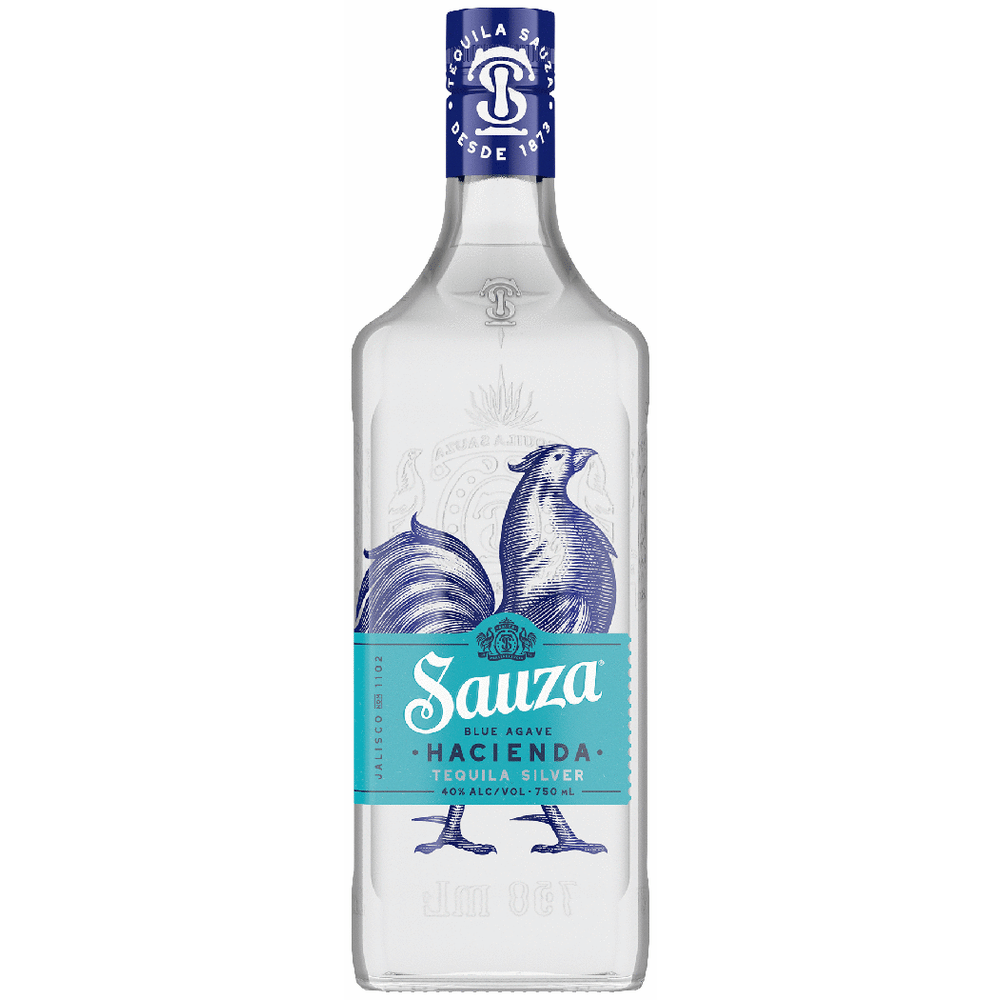
Sauza is one of the oldest and most recognizable tequila brands, dating back to 1873. For years, it was largely associated with more affordable, mixto tequilas. However, in recent decades, Sauza has made a concerted effort to reposition itself as a producer of premium 100% agave tequilas. It’s a bit of a brand redemption arc, and it’s largely been successful.
The brand offers a wide range of expressions, from the core Sauza range (often mixto) to the more premium lines like Sauza 990 Blanco and Sauza Tres Generaciones. The 990 Blanco, in particular, has garnered attention for its vibrant agave flavor and smooth finish. It’s a significant departure from the older, harsher Sauza tequilas that many remember.
Sauza’s history is interwoven with the development of the tequila industry itself. They were pioneers in establishing tequila’s quality standards and promoting its export. Today, they continue to innovate, experimenting with different agave varietals and aging techniques. They've also invested heavily in sustainable practices at their distillery.
Is Sauza shaking off its older reputation? I think so. The newer 100% agave offerings demonstrate a clear commitment to quality. While some purists may still associate the brand with its past, Sauza is proving that it can compete with the best in the premium tequila category. It's a brand worth revisiting if you haven't tried it in a while.
Who said Vegas doesn’t have value anymore? 🤔 $1.99 margaritas are here at Red Rock Casino! Whether you grab 4 regular margaritas or 2 with an extra shot of Sauza Tequila, you’re still under $10. Now that’s a deal! 🎯
— Red Rock Casino Resort & Spa Las Vegas (@redrockcasino) August 8, 2025
This promotion is open to guests 21+ with valid ID, please… pic.twitter.com/ah5oa54Kqn
Don Ramon: The Icon and Its Enduring Appeal
Don Ramon is arguably the most recognizable tequila brand globally, largely thanks to its distinctive bottle and association with luxury. Its history dates back to 1938, but it gained widespread fame in the 1980s and 90s, becoming a symbol of success and indulgence. The brand has maintained a consistent image of exclusivity and sophistication.
Don Ramon offers Blanco, Reposado, and Añejo expressions, all made from 100% agave. The Blanco is characterized by its crisp, clean agave flavor with hints of citrus and pepper. The Reposado benefits from its time in oak, developing notes of vanilla and caramel, while the Añejo displays a more complex flavor profile with deeper oak influence. Each expression is presented in the iconic square bottle.
However, Don Ramon often faces criticism for being overpriced. The brand’s marketing and image contribute to a higher price point than some comparable tequilas. Is it all style over substance? I don’t think so, but it’s a valid concern. The tequila itself is well-made and enjoyable, but you are undoubtedly paying a premium for the brand name.
Despite the price, Don Ramon remains a popular choice for those seeking a recognizable and reliable tequila. Its enduring appeal speaks to the power of branding and its consistent quality. It’s a staple at bars and liquor stores worldwide, and it continues to attract new fans.
Premium Spirits & Luxury Goods Stock Comparison
Leading beverage and luxury conglomerate stocks as of December 2024
| Asset | Current Price | 24h | 7d | 30d | Market Cap |
|---|---|---|---|---|---|
| Diageo plc DEO | $128.45 | -0.8% | +1.2% | -3.4% | $71.2B |
| Brown-Forman Corporation BF.B | $42.18 | +0.5% | -2.1% | -8.7% | $19.8B |
| Constellation Brands Inc STZ | $234.67 | +1.3% | +3.8% | +5.2% | $42.1B |
| LVMH Moët Hennessy Louis Vuitton LVMH | $692.50 | -1.2% | +0.9% | -6.8% | $347.8B |
| Pernod Ricard SA PDRDY | $31.82 | -0.3% | +1.7% | -4.1% | $41.9B |
| Boston Beer Company SAM | $287.93 | +2.1% | -1.4% | -12.3% | $3.4B |
Analysis Summary
LVMH dominates by market capitalization at $347.8B, reflecting its luxury goods diversification beyond spirits. Constellation Brands shows the strongest recent momentum with +5.2% monthly gains, while Boston Beer faces significant pressure with -12.3% monthly decline. Traditional spirits companies Diageo, Brown-Forman, and Pernod Ricard show mixed performance amid evolving consumer preferences.
Key Insights
- LVMH's luxury diversification provides the largest market cap at $347.8B, over 4x larger than pure-play spirits companies
- Constellation Brands leads recent performance with +5.2% monthly gains, benefiting from premium beer and wine portfolio strength
- Boston Beer faces significant headwinds with -12.3% monthly decline, reflecting craft beer market saturation challenges
Prices reflect recent trading data for major exchanges. Market caps calculated using outstanding shares and current trading prices. Performance metrics show percentage changes over specified periods.
Disclaimer: Stock prices are highly volatile and subject to market fluctuations. Data is for informational purposes only and should not be considered investment advice. Always do your own research before making investment decisions.
Head-to-Head: Altos vs. Sauza vs. Don Ramon – A Flavor Profile Breakdown
Let's focus on the Blanco expressions of each brand to truly compare. Altos Plata immediately presents with bright, upfront agave flavors, followed by citrus notes and a peppery kick. It's remarkably clean and smooth, making it incredibly approachable. The finish is relatively short, but pleasant.
Sauza 990 Blanco offers a slightly different experience. It’s also agave-forward, but with a more floral aroma and a subtle sweetness. There’s a touch of minerality that adds complexity. The finish is a bit longer than Altos, with a lingering peppery warmth. It feels a bit more refined.
Don Ramon Blanco, in contrast, is a bit more reserved. The agave flavor is present, but it’s more subdued, with notes of citrus and a hint of vanilla. It’s smoother than both Altos and Sauza, but perhaps lacking the same level of vibrancy. The finish is clean and relatively neutral. It's a very polished tequila, but not necessarily the most exciting.
In terms of cocktail suitability, Altos’ bright flavors shine in Margaritas and Palomas, providing a solid base without overpowering other ingredients. Sauza 990’s floral notes add a unique dimension to cocktails, while Don Ramon’s smoothness makes it a good all-rounder. Ultimately, the best choice depends on your personal preference.
Premium Blanco Tequila Comparison: Altos Plata, Sauza 990 Blanco, and Don Ramon Blanco (2026)
| Brand | Agave Flavor Intensity | Complexity | Smoothness | Best Use |
|---|---|---|---|---|
| Altos Plata | Medium | Medium | High | Cocktails & Sipping |
| Sauza 990 Blanco | High | Medium | Medium | Cocktails |
| Don Ramon Blanco | Medium | Medium | Medium | Cocktails & Sipping |
| Altos Plata | Medium | Clean | Very Smooth | Margaritas, Palomas |
| Sauza 990 Blanco | Robust | Citrus Notes | Balanced | Classic Cocktails |
| Don Ramon Blanco | Subtle | Floral Undertones | Approachable | Beginner-Friendly Cocktails |
Illustrative comparison based on the article research brief. Verify current pricing, limits, and product details in the official docs before relying on it.
Beyond Blanco: Exploring Reposado and Añejo Expressions
Moving beyond Blanco, the Reposado and Añejo expressions offer a different dimension to these brands. Altos Reposado gains a subtle golden hue and develops notes of caramel and vanilla from its time in oak. It’s still very agave-forward, but with a pleasant warmth. The Añejo is richer and more complex, with deeper oak influence and a smoother finish. I find the Altos Añejo to be particularly well-balanced.
Sauza’s Reposado and Añejo expressions showcase a more pronounced oak influence. The Reposado exhibits notes of honey and spice, while the Añejo displays a complex flavor profile with hints of chocolate and dried fruit. They’re both excellent sippers, but the Añejo is the standout.
Don Ramon’s Reposado and Añejo offerings are characterized by their smoothness and elegance. The Reposado is a good balance of agave and oak, while the Añejo is rich and complex, with a long, lingering finish. They’re both well-suited for sipping neat or enjoying with a small amount of ice. Generally, the longer aging of Don Ramon expressions leads to a smoother, more nuanced experience.
For sipping, I often reach for the Sauza Añejo or the Don Ramon Reposado. For cocktails, the Altos Reposado provides a nice balance of agave and oak flavors. It's all about finding the expression that best suits your mood and occasion.
Tequila Sunrise Showdown: Which Brand Makes the Perfect Cocktail?
Let’s put these tequilas to the test with a classic Tequila Sunrise. The recipe is simple: 1.5 oz tequila, 4 oz orange juice, 0.5 oz grenadine. Pour the tequila and orange juice into a highball glass filled with ice, then gently drizzle in the grenadine. The key is to let the grenadine settle, creating that beautiful sunrise effect.
Using Altos Plata, the Tequila Sunrise is bright and refreshing, with the agave flavors complementing the orange juice beautifully. The grenadine adds a touch of sweetness without overpowering the other ingredients. With Sauza 990 Blanco, the floral notes add a unique dimension to the cocktail, making it a bit more complex. Don Ramon Blanco results in a smoother, more balanced Tequila Sunrise, but it lacks the vibrancy of the other two.
I believe Altos Plata creates the most visually appealing and flavorful Tequila Sunrise. Its bright agave flavors and clean finish shine through, creating a cocktail that is both delicious and refreshing. It’s a testament to the quality of the tequila and its versatility in cocktails.
Looking Ahead: What's Next for These Tequila Brands?
All three brands are continuing to innovate and expand their offerings. Altos is exploring different agave varietals and experimenting with new aging techniques. Sauza is focusing on strengthening its commitment to 100% agave tequilas and expanding its premium lines. Don Ramon is maintaining its focus on luxury and exclusivity, while also exploring new marketing opportunities.
The future of tequila looks bright, and these brands are well-positioned to continue their success. The growing demand for premium tequila, coupled with increasing consumer awareness of quality and authenticity, will drive innovation and growth in the years to come. We can expect to see more limited-edition releases, single-estate tequilas, and a greater emphasis on sustainability.
No comments yet. Be the first to share your thoughts!