

Beyond the Salt: Rethinking How You Drink Tequila
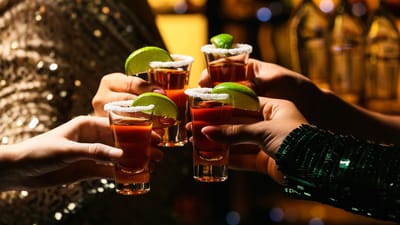
For too long, tequila has been relegated to shots slammed with salt and lime. It’s a tradition, sure, but it’s a disservice to a spirit with incredible depth and complexity. This ritual, born more from a need to mask harshness in lower-quality tequilas than genuine appreciation, has overshadowed what tequila actually is – a sophisticated spirit deserving of respect and mindful enjoyment.
The salt/lime/shot combination really took hold in the mid-20th century, largely as a way to make harsher, less refined tequilas more palatable. It’s become ingrained in popular culture, but it actively prevents you from experiencing the nuances of a well-crafted tequila. It’s like judging a fine wine by pouring a bunch of sugar into it.
We’re here to tell you there’s a better way. A way to appreciate the agave’s flavors, the distiller’s skill, and the heritage behind this iconic Mexican spirit. Let’s move beyond the shot and explore how to truly drink tequila.
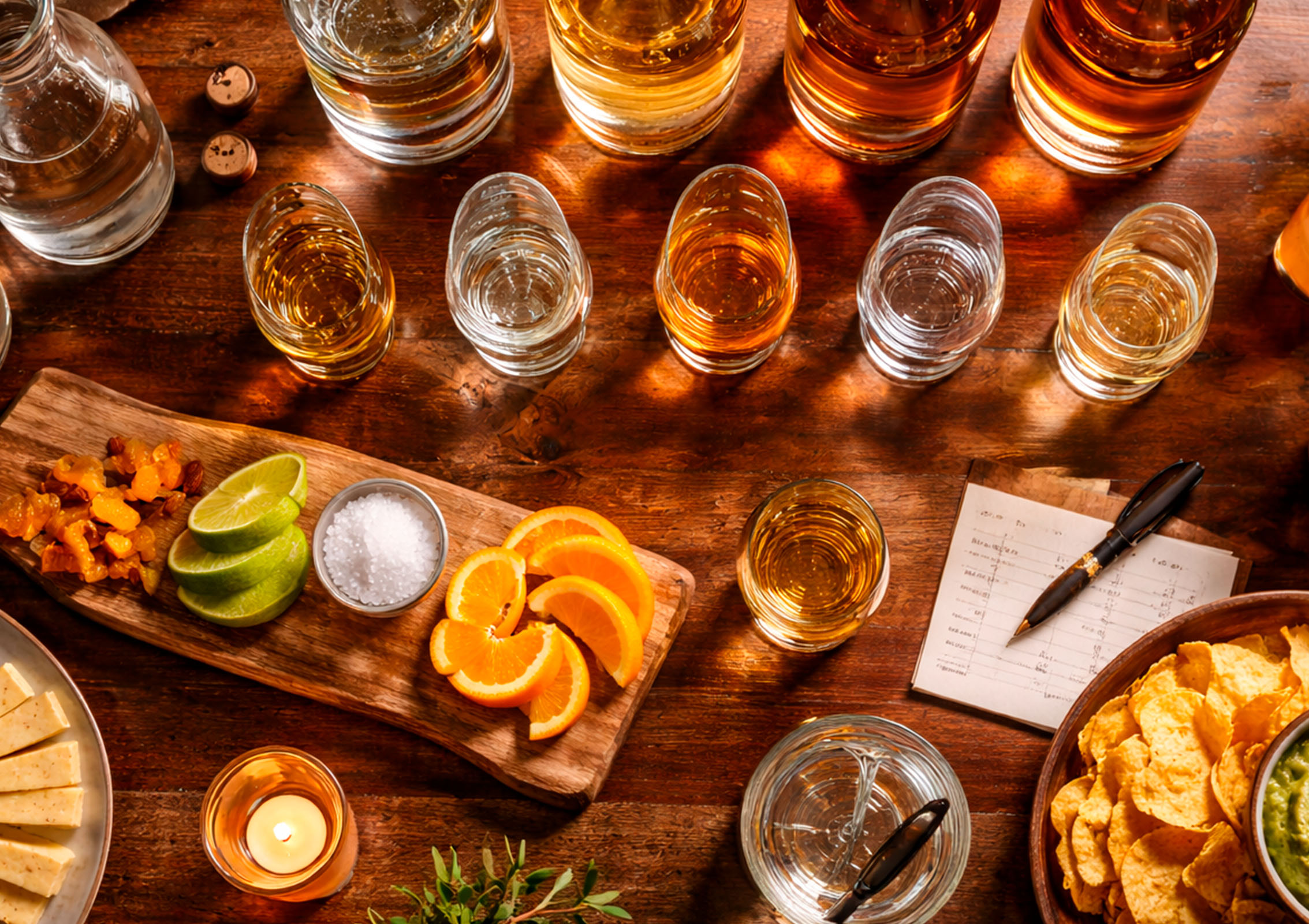
Decoding Tequila: Types and What They Mean
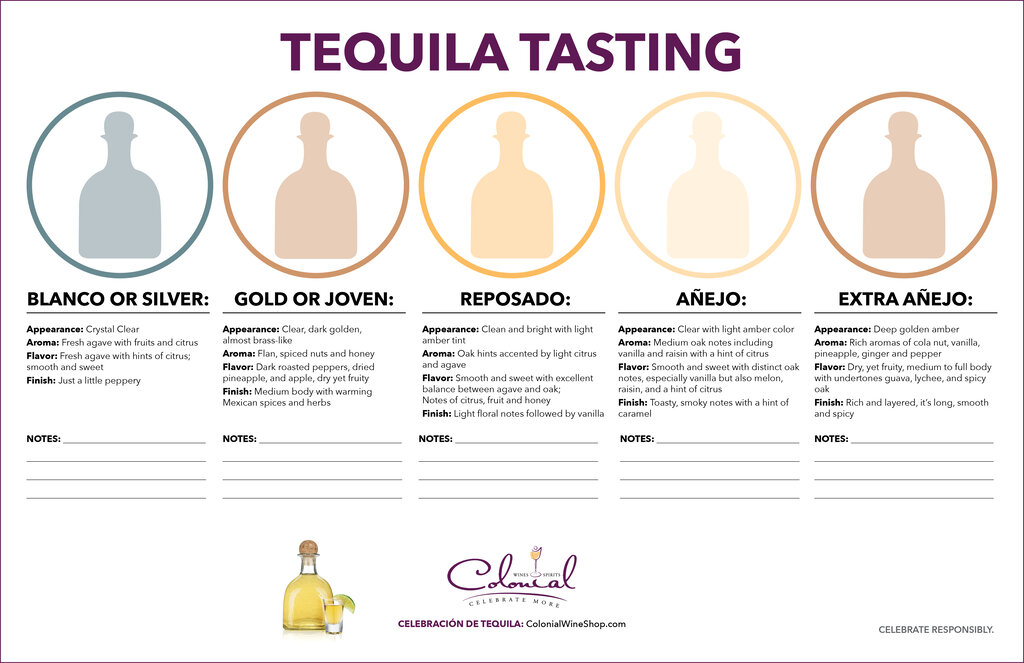
Tequila isn’t a monolith. It comes in several categories, each defined by aging and production methods, and each offering a unique flavor profile. Understanding these categories is the first step toward appreciating the spirit’s range.
Blanco, also known as silver tequila, is bottled immediately or shortly after distillation. It’s known for its vibrant agave flavors and bright, clean finish. Reposado tequila, meaning "rested," is aged in oak barrels for between two months and just under a year. This aging imparts a subtle golden hue and adds notes of vanilla and caramel. Añejo tequila is aged for one to three years in oak barrels, resulting in a deeper amber color and more pronounced oaky flavors.
Extra Añejo tequila spends over three years aging in oak, developing a very dark color and complex flavors reminiscent of cognac or whiskey. Finally, Cristalino tequila is an interesting recent innovation – an Añejo or Extra Añejo tequila that has been filtered to remove its color, leaving a clear spirit with the mellow flavors of extended aging. According to the Consejo Regulador del Tequila (CRT), regulations dictate these minimum aging requirements.
It’s also important to understand the difference between Mixto and 100% Agave tequila. Mixto tequilas can contain up to 49% other sugars, while 100% Agave tequilas are made entirely from the blue Weber agave plant. For serious tasting, 100% Agave is almost always the preferred choice, as it offers a purer expression of the agave’s character.
The Right Glassware Makes a Difference
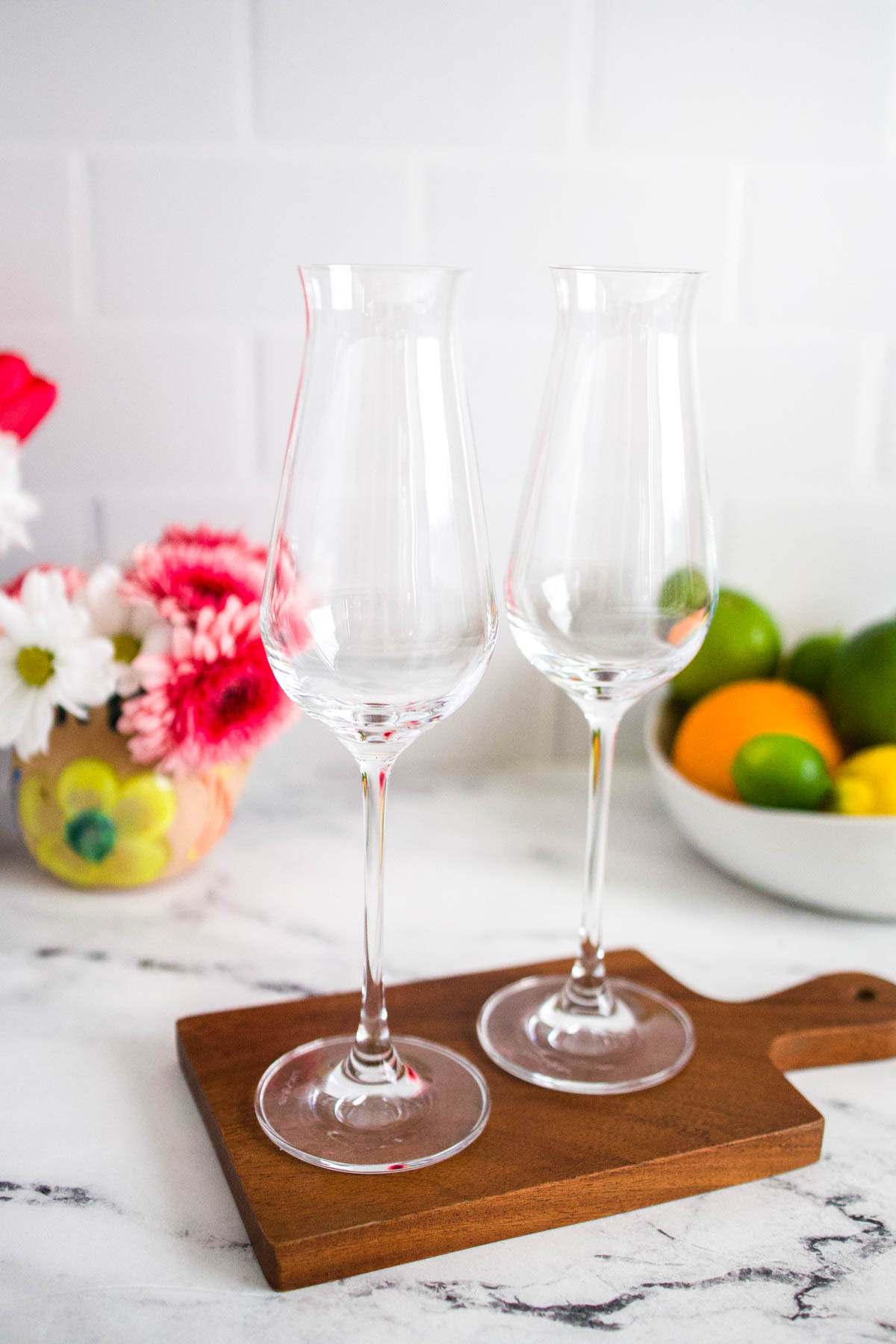
Believe it or not, the shape of your glass significantly impacts your tequila experience. While a traditional caballito (small shot glass) has its place – particularly for quick, focused sips – it doesn't allow the tequila to fully open up.
Wider-mouthed glasses, like the Riedel Ouverture Tequila glass or a Glencairn glass (often used for whisky), are far superior for nosing and tasting. The wider bowl concentrates the aromas, allowing you to fully appreciate the tequila’s complex bouquet. The shape also allows for better swirling, which releases even more aromatics.
Think of it like this: a flute glass is great for champagne, but you wouldn’t use it for a bold Cabernet Sauvignon. The glass is part of the tasting experience, helping you unlock the tequila’s full potential. It’s not just about aesthetics, it's about functionality and enhancing your sensory perception.
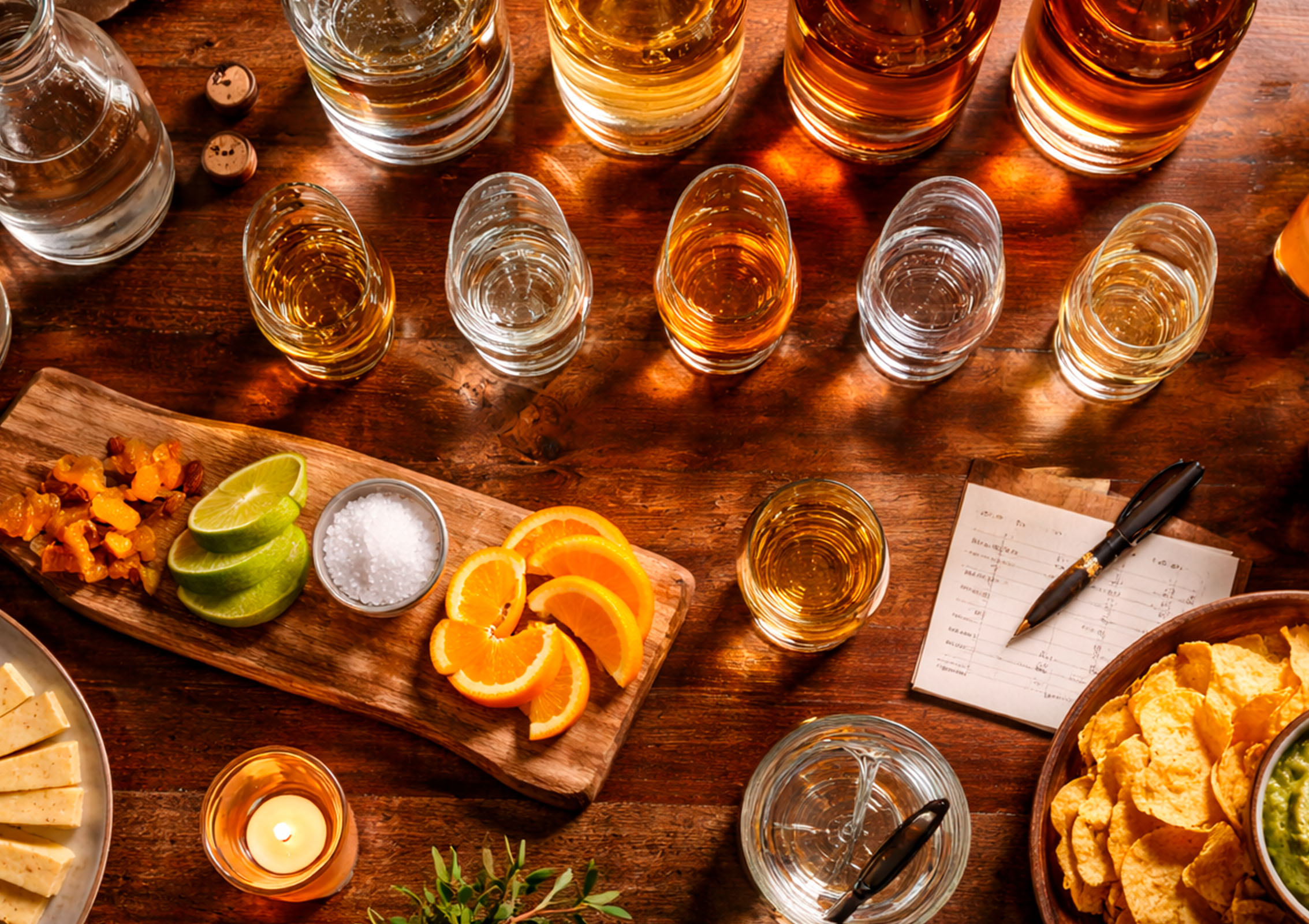
Tasting Tequila: A Step-by-Step Guide
Now for the fun part. Tasting tequila isn't about knocking it back; it's about a deliberate, mindful exploration of its flavors and aromas. Here’s a step-by-step guide to help you get started.
Visual Assessment: First, observe the tequila's color. Blanco tequilas should be clear, while Reposado and Añejo will have varying shades of gold and amber. Also, check for clarity – a good tequila should be free of sediment. Nosing: Swirl the tequila gently in your glass and bring it to your nose. What aromas do you detect? Common notes include agave, citrus, pepper, vanilla, and caramel. Don't be afraid to take several short sniffs.
First Sip: Take a small sip and let it coat your mouth. Pay attention to the texture – is it smooth, viscous, or thin? How does it feel on your palate? Second Sip: This time, focus on the flavors. Identify the different layers of taste. What flavors emerge first, and which ones linger? Finish: Note how long the flavors remain in your mouth after you swallow. What notes are left behind? Is the finish long and complex, or short and simple?
Remember, everyone’s palate is different. There’s no "right’ or ‘wrong’ answer. The goal is to be present, observant, and appreciate the nuances of the tequila. Don’t be afraid to experiment and discover what you enjoy. I find keeping a tasting journal helpful to remember what I"ve tried and my impressions of each tequila.
Temperature & Serving: It's Not Always About Ice
Serving temperature can significantly influence your tequila experience. Blanco tequilas are often best served slightly chilled – around 60-65°F (15-18°C) – to enhance their crispness and vibrancy. However, avoid over-chilling, as it can suppress the aromas.
Añejo and Extra Añejo tequilas, with their richer, more complex flavors, are often best enjoyed at room temperature – around 68-72°F (20-22°C). Chilling these tequilas can mask their subtle nuances. The impact of temperature on aroma and flavor is substantial; colder temperatures generally dampen aromas, while warmer temperatures release them more readily.
Adding ice is a personal preference, but it will inevitably dilute the tequila. If you do choose to add ice, use large, slow-melting cubes to minimize dilution. Some tequila enthusiasts advocate for chilling the bottle beforehand rather than adding ice to the glass. I'm currently researching the best methods for chilling tequila without significant dilution, as this is a common concern.
Food Pairings That Elevate Tequila
Tequila isn’t just for sipping; it can also be an incredible complement to food. The key is to consider the tequila’s type and flavor profile when choosing pairings.
Blanco tequilas, with their bright agave notes, pair well with citrusy dishes, seafood (ceviche is a classic pairing), and lighter fare. Reposado tequilas, with their subtle oaky notes, complement roasted meats, spicy foods, and Mexican cuisine. Añejo and Extra Añejo tequilas, with their richer, more complex flavors, can stand up to bolder dishes like dark chocolate, desserts, and aged cheeses.
For example, a Blanco tequila with a squeeze of lime alongside ceviche creates a refreshing and harmonious combination. An Añejo tequila paired with a slice of dark chocolate offers a decadent and satisfying experience. The interplay between the tequila’s flavors and the food’s flavors can create a truly memorable dining experience.
- Blanco Tequila: Ceviche, citrus-based salads, grilled fish
- Reposado Tequila: Roasted chicken, spicy tacos, enchiladas
- Añejo Tequila: Dark chocolate, aged cheddar, grilled steak
Tequila & Food Pairing Guide
| Tequila Type | Food Category | Pairing Rating | Explanation |
|---|---|---|---|
| Blanco | Seafood | Excellent | The crisp, agave-forward flavors of Blanco tequila complement the delicate flavors of fish and shellfish without overpowering them. Think ceviche or grilled shrimp. |
| Reposado | Spicy | Good | Reposado's slight oak aging adds a smoothness that balances the heat of spicy dishes. Works well with Mexican mole or Szechuan cuisine. |
| Añejo | Red Meat | Excellent | The richer, vanilla and caramel notes of Añejo tequila pair beautifully with the robust flavors of steak, lamb, or other red meats. |
| Extra Añejo | Dark Chocolate | Good | The complex, aged flavors of Extra Añejo tequila can harmonize with the bitterness and sweetness of dark chocolate, creating a sophisticated dessert pairing. |
| Blanco | Red Meat | Avoid | The bright, vegetal notes of Blanco tequila can clash with the richness of red meat, creating an unbalanced flavor experience. |
| Reposado | Cheese | Okay | A mild, aged cheese like Manchego can work with the subtle oak flavors of Reposado, but it’s not a standout pairing. Avoid strong or pungent cheeses. |
| Añejo | Spicy | Okay | While not a bad pairing, Añejo's complexity can be lost when paired with intensely spicy foods. The flavors may compete rather than complement. |
| Extra Añejo | Seafood | Avoid | The strong oak and vanilla notes of Extra Añejo can overwhelm the delicate flavors of seafood, making it an unsuitable pairing. |
Illustrative comparison based on the article research brief. Verify current pricing, limits, and product details in the official docs before relying on it.
Tequila vs. Mezcal: Knowing the Difference
Tequila and mezcal are often confused, but they are distinct spirits with different production methods and flavor profiles. Both are made from agave, but that’s where many of the similarities end.
Tequila must be made from the blue Weber agave plant and is produced in specific regions of Mexico. The agave is steamed, then fermented and distilled. Mezcal, on the other hand, can be made from over 30 different varieties of agave and is produced in a wider range of regions. A key difference lies in the cooking process: mezcal agave is traditionally roasted in earthen pits, which imparts a characteristic smoky flavor.
While some tequilas can have subtle smoky notes, mezcal is generally much more pronounced in its smokiness. However, it's a misconception to simply label mezcal as 'smoky tequila.' Mezcal offers a much wider range of flavors, from floral and fruity to herbaceous and spicy. It’s a spirit with its own unique character and deserves to be appreciated on its own terms.
2026 Trends: What's New in the Tequila World
The tequila world is constantly evolving, with several exciting trends emerging. One notable development is the continued rise of Cristalino tequila, offering a unique combination of aged flavor and visual clarity.
There’s also a growing focus on sustainable agave farming practices, as producers seek to protect the agave plant and the environment. Consumers are becoming more aware of the environmental impact of their choices, and they’re increasingly seeking out brands that prioritize sustainability. Finally, we're seeing a surge in craft tequila brands, smaller producers focusing on quality and innovation.
Recent industry reports indicate a significant increase in premium tequila sales, suggesting that consumers are willing to pay more for higher-quality expressions. New regulations regarding agave certification are also being discussed, aiming to further protect the authenticity and quality of tequila. These developments point to a dynamic and exciting future for the tequila industry.

No comments yet. Be the first to share your thoughts!