

Beyond the Shot: Rethinking Tequila
Tequila often gets a bad rap, relegated to a quick shot with salt and lime. Historically, much of the tequila available was rough, leading producers to mask its harshness with the shot ritual. But the tequila world has changed dramatically.
Today, a wealth of nuanced and complex tequilas are available, crafted with care and tradition. These tequilas demand to be savored, offering layers of flavor from the bright, vegetal notes of agave to the subtle sweetness of oak and vanilla.
This is about respect and understanding that tequila, at its best, is a spirit worthy of considered appreciation. Forget tequila shots; let's explore how to truly drink tequila and unlock its potential.
Understanding Tequila's Categories
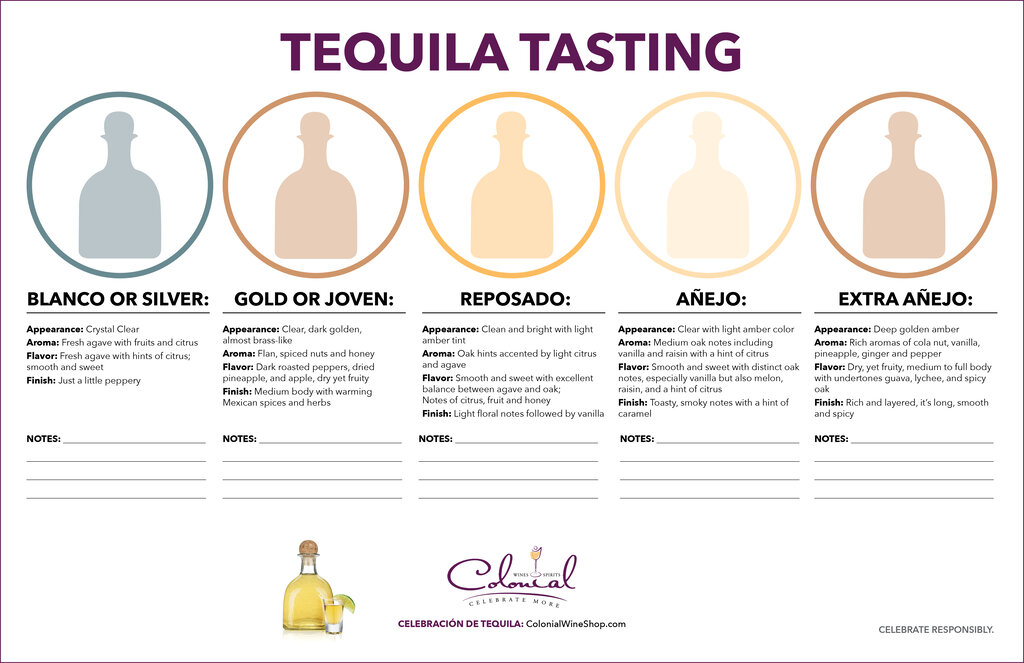
Tequila is categorized primarily by age. Blanco (or Silver) tequila is bottled immediately after distillation, or rested for less than two months. It’s the purest expression of agave, often showcasing bright, fresh flavors.
Reposado tequila, meaning 'rested,' is aged between two months and less than a year in oak barrels. This imparts a subtle golden hue and introduces notes of vanilla, caramel, and spice. The aging process softens the agave's intensity, creating a more balanced profile, bridging Blanco’s vibrancy and Añejo’s complexity.
Añejo tequila is aged between one and three years in oak barrels, resulting in a richer, darker spirit with pronounced oak flavors, often reminiscent of whiskey or cognac. Añejos are typically smoother and more complex than Reposados and fantastic for sipping neat. Extra Añejo tequila is aged for more than three years and is often incredibly luxurious and smooth.
Then there's Cristalino tequila, a newer and increasingly popular category. This is an Añejo or Extra Añejo filtered to remove the color imparted by oak aging, offering the complexity of aged tequila in a Blanco-like presentation. It's also important to understand the difference between 100% Agave tequila and Mixto tequila. 100% Agave tequila is made entirely from the blue Weber agave plant. Mixto tequila can contain up to 49% other sugars, which significantly impacts the flavor and quality.
Glassware Matters: Choosing Your Vessel
The glass does matter. Its shape influences how aromas are concentrated and how you perceive the tequila's flavors. Traditionally, tequila was enjoyed from a jicara, a gourd carved into a cup. While authentic, these aren't readily available. A copita, a small, tulip-shaped glass, is the preferred choice for serious tequila drinkers.
The copita’s narrow opening concentrates aromas, allowing you to fully appreciate the tequila's bouquet. Wider-mouthed snifters can also work, allowing for more swirling and oxygenation, but they can sometimes dissipate aromas too quickly. Avoid anything too wide or tall, as this will diminish the experience.
The shot glass is actively detrimental. It offers no opportunity for aroma appreciation and encourages rapid consumption, bypassing the nuanced flavors tequila has to offer. You don’t need to invest in expensive crystal, but choosing a glass designed for spirit tasting will make a noticeable difference.

The Art of the Sip: Tasting Technique
Tasting tequila isn't about chugging; it's about mindful exploration. Start with a visual inspection. Observe the color – is it crystal clear (Blanco), golden (Reposado), amber (Añejo), or something else? Clarity is also a good indicator of quality. Then, gently swirl the tequila in your glass. This releases the aromas, preparing your senses.
Bring the glass to your nose and inhale deeply. What do you smell? Common aromas include agave (of course!), citrus, vanilla, pepper, and floral notes. Don’t be afraid to describe what you smell, even if it seems unusual. Finally, take a small sip and let it coat your palate. Don't swallow immediately.
Roll the tequila around in your mouth, paying attention to the different flavors that emerge. Notice how the flavor evolves over time. Consider the texture – is it smooth, viscous, or light? Sip slowly and deliberately. Slightly room temperature is often best, as chilling can suppress some of the more subtle aromas and flavors. This isn’t a race; it's an experience.
Food Pairings: What to Eat With Tequila
Tequila and food can be a delightful pairing. Consider the tequila's profile and find flavors that complement, rather than clash. Blanco tequilas, with their bright, agave-forward flavors, pair well with citrus-forward dishes like ceviche, guacamole, or grilled fish with lime.
Reposado tequilas can handle richer flavors, such as roasted pork, chicken mole, or mild cheeses. The oak notes in the Reposado complement the savory flavors of the food. Añejo tequilas, with their complexity, are fantastic with dark chocolate, aged cheeses, or a well-seasoned steak.
Avoid overly spicy foods, as they can overwhelm the tequila's delicate flavors, and extremely sweet desserts, as they can clash with the agave notes. Simple pairings are often best. Grilled vegetables, fresh salads, and light appetizers can all work well. Experiment and find what you enjoy.
Tequila Types & Suggested Food Pairings
| Tequila Type | Suggested Food Pairing | Flavor Profile & Pairing Rationale |
|---|---|---|
| Blanco (Silver) | Fresh Ceviche or Citrus-Marinated Seafood | Bright, agave-forward flavors with citrus notes in Blanco tequila complement the acidity and freshness of ceviche. The tequila doesn’t overpower the delicate seafood. |
| Reposado | Spicy Mole Poblano with Chicken or Pork | Reposado’s subtle oak and vanilla notes from resting in oak barrels balance the complex, rich flavors and moderate spice of mole. The tequila’s smoothness cuts through the sauce’s richness. |
| Añejo | Dark Chocolate Dessert or Aged Cheeses (Gouda, Manchego) | Añejo, aged longer in oak, develops caramel, vanilla, and spice flavors. These pair beautifully with the bitterness of dark chocolate or the nutty, savory notes of aged cheeses. The tequila’s complexity enhances the dessert/cheese experience. |
| Extra Añejo | Slow-Roasted Lamb or Prime Rib | Extra Añejo, with extended aging, offers a very smooth, complex flavor profile – often with notes of dried fruit, oak, and spice. These robust flavors stand up well to rich, flavorful meats like lamb or prime rib. |
| Blanco (Silver) | Grilled Pineapple with Chili-Lime Seasoning | The clean, crisp agave flavor of Blanco tequila is enhanced by the sweetness of grilled pineapple and the zesty kick of chili-lime. It's a refreshing and vibrant combination. |
| Reposado | Roasted Chicken with Herbs | The gentle oakiness of Reposado doesn’t overshadow the savory flavors of roasted chicken and herbs. It provides a subtle complexity that complements the meal without being overpowering. |
| Añejo | Flan or Crème brûlée | The caramel and vanilla notes in Añejo tequila echo the flavors found in classic custard-based desserts like flan or crème brûlée, creating a harmonious pairing. |
Illustrative comparison based on the article research brief. Verify current pricing, limits, and product details in the official docs before relying on it.
Cocktails Done Right: Elevating the Mix
Sipping tequila neat is a fantastic way to appreciate its complexity, but it also shines in well-crafted cocktails. Forget overly sweet, pre-made mixes; let the tequila be the star. The Paloma, a simple yet refreshing mix of tequila, grapefruit soda, and lime juice, is a classic.
El Diablo (tequila, crème de cassis, ginger beer, and lime juice) offers a more complex and sophisticated flavor profile. A Tequila Sunrise (tequila, orange juice, and grenadine) is a visually appealing and easy-to-make option, but use quality orange juice and a touch of agave nectar instead of excessive sugar.
The key to a great tequila cocktail is quality ingredients. Use fresh juices, make your own simple syrup (equal parts sugar and water, heated until dissolved), and choose a tequila that you enjoy. Even in a cocktail, the quality of the tequila will shine through. A good rule of thumb: if you wouldn't drink the tequila neat, you probably shouldn't use it in a cocktail.
Tequila vs. Mezcal: Knowing the Difference
Tequila and mezcal are often compared, and for good reason – they’re both agave-based spirits with a rich history. However, they are distinctly different. Tequila can only be made from the blue Weber agave plant and must be produced in specific regions of Mexico. Mezcal, on the other hand, can be made from over 30 different varieties of agave.
The most significant difference lies in the production process. Tequila is typically steamed in above-ground ovens. Mezcal, however, is traditionally cooked in underground earthen pits lined with hot rocks (hornos). This imparts a smoky, earthy flavor that is characteristic of mezcal. It’s a fundamental difference, not just a stylistic choice.
While mezcal’s smoky flavor is often the most noticeable difference, the agave varieties used also contribute to a wider range of flavor profiles. Neither spirit is inherently 'better' than the other; they simply offer different experiences. Regional variations within mezcal are also significant, with each region producing mezcal with its own unique character.
- Tequila: Made only from Blue Weber agave
- Mezcal: Made from over 30 agave varieties
- Tequila: Steamed in above-ground ovens
- Mezcal: Cooked in underground earthen pits (hornos)
Etiquette in 2026: Modern Tequila Culture
The way we appreciate tequila is evolving. We’re seeing a growing trend toward sipping tequila neat, similar to how one would enjoy a fine whiskey or cognac. This is fueled by the increasing availability of high-quality, aged tequilas. The rise of dedicated tequila bars and tasting rooms further demonstrates this shift.
There's also a greater focus on sustainability and responsible production. Consumers are increasingly interested in where their tequila comes from and how it's made. Showing respect for the tequila – and the people who painstakingly craft it – is becoming increasingly important. This means taking the time to savor it, appreciating its nuances, and supporting producers who prioritize quality and sustainability.
Looking ahead, we can expect to see continued innovation in tequila production, with producers experimenting with different agave varieties and aging techniques. The future of tequila is bright, and it’s an exciting time to be a tequila enthusiast. But the core principle remains: tequila deserves to be appreciated, not just consumed.

No comments yet. Be the first to share your thoughts!