

Why pure tequila matters
Evaluating tequila requires stripping away the distractions. Mixers, salt, and lime are tools for cocktails, not measures of quality. To truly judge a spirit, you must taste it neat or on the rocks. This approach reveals the integrity of the agave, exposing flaws that sugar and citrus would otherwise mask. Pure tequila should offer a clear, unadulterated experience of the plant itself.
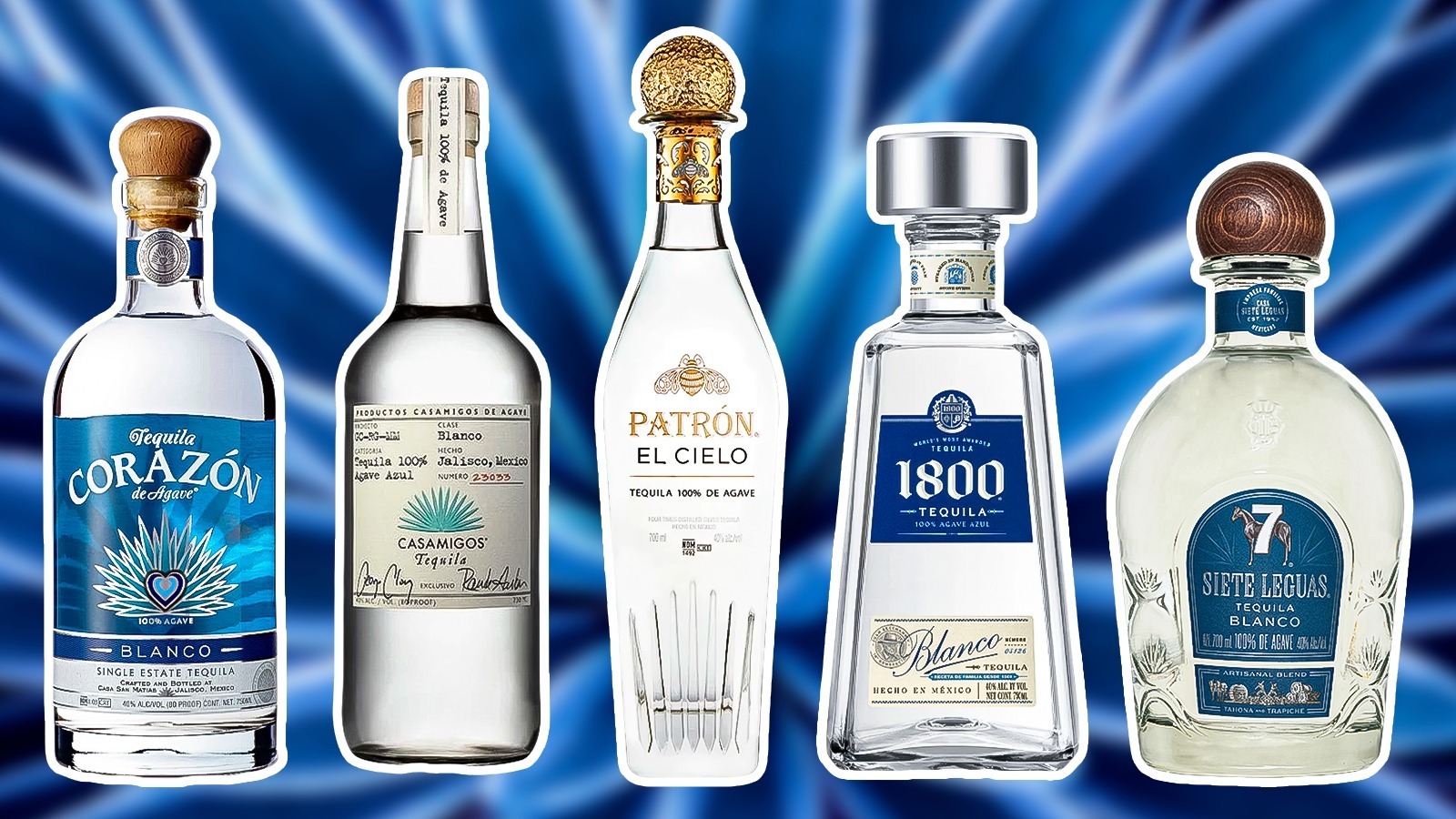
The sensory profile of a good tequila is built on layers of flavor that unfold slowly. Start with the aroma: fresh, earthy agave notes should dominate, often accompanied by subtle hints of citrus zest or black pepper. On the palate, the liquid should feel smooth and viscous, not thin or harsh. Finish with a clean warmth that lingers, ideally revealing notes of oak, vanilla, or cooked agave depending on the aging process.
When comparing brands like Altos, Sauza, and Don Ramon, this pure tasting method highlights their distinct personalities. Altos tends to be bright and herbal, with a crisp finish that emphasizes the blue Weber agave. Sauza offers a more familiar, slightly sweeter profile with noticeable citrus notes, making it approachable but less complex. Don Ramon provides a robust, earthy character with deeper oak influences, particularly in its reposado expressions. Tasting them side by side without mixers makes these differences undeniable.
Altos Tequila: The Tahona Standard
Altos Tequila stands apart in the crowded tequila market by adhering to a strict, traditional production method that prioritizes flavor purity over industrial efficiency. Founded in 1998 by Jorge Valdez, the brand produces 100% blue weber agave spirits using a tahona wheel—a massive stone roller pulled by a horse or mule—to crush the cooked agave piñas. This ancient technique extracts the agave juices more gently than modern industrial shredders, preserving the complex sugars and fibers that contribute to a richer, more textured spirit.
The hallmark of Altos is its high-protein agave content. While many large-scale producers use lower-quality agave or add cane sugar to cut costs, Altos uses only the highest quality piñas, which results in a spirit with a distinctively high protein count. This protein content is crucial for fermentation, leading to a cleaner distillate that retains the natural earthy and vegetal notes of the plant. The result is a tequila that tastes unmistakably of agave, without the harshness often associated with mass-produced alternatives.
Sensory Profile
When poured neat, Altos Blanco offers a clear, crisp introduction to the tahona style. The aroma is bright and herbaceous, with prominent notes of steamed agave, lime zest, and a hint of black pepper. On the palate, the texture is slightly oily and viscous, coating the mouth with flavors of cooked agave, green apple, and a subtle floral sweetness. The finish is clean and moderately long, with a gentle warmth that lingers without burning. This profile makes it an excellent choice for sipping, allowing the drinker to appreciate the nuances of the stone-crushed production method.
Sauza Tequila Profile
Sauza holds a unique position in the tequila landscape as the oldest tequila brand in existence, founded in 1873. While it may not command the same premium reverence as artisanal small-batch producers, its historical significance is undeniable. As one of the best-selling tequilas globally, Sauza bridges the gap between mass-market accessibility and genuine traditional production methods. It serves as a foundational entry point for many drinkers exploring the spirit, offering a consistent and recognizable flavor profile that has evolved over more than a century.
The sensory experience of drinking Sauza pure or neat reveals a spirit designed for approachability rather than complexity. The Blanco expression, in particular, offers a clean, straightforward taste of blue agave with distinct notes of citrus and a mild peppery finish. Unlike heavier, oak-aged expressions that can mask the agave character, Sauza Blanco lets the raw plant shine through, providing a crisp, slightly sweet entry that is easy to sip. This clarity makes it an excellent benchmark for understanding the basic flavor architecture of blanco tequila without the distraction of heavy barrel influence.
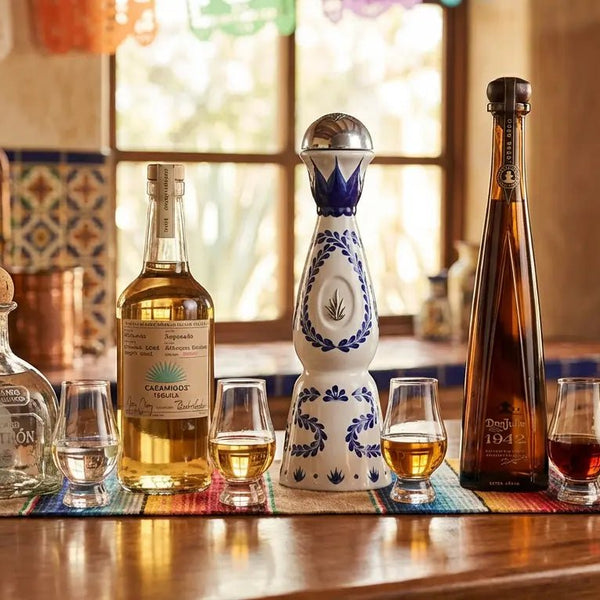
As you move into the Reposado category, the flavor profile shifts subtly. The brief aging in oak barrels introduces a softer, smoother texture and hints of vanilla and caramel, balancing the natural sharpness of the agave. This makes the Reposado version particularly versatile for sipping neat on its own, offering a rounder mouthfeel that appeals to those who find Blanco too sharp. The color transition from clear to a pale golden hue is visible in the bottle, signaling the change in character that occurs during the aging process.
Sauza’s mass-market accessibility ensures that these flavors are available everywhere, from high-end bars to local liquor stores. This widespread availability does not diminish its quality but rather democratizes the experience of drinking real tequila. For those new to the spirit, Sauza provides a reliable, historically rooted option that respects tradition while remaining firmly rooted in the modern market. It is a brand that prioritizes consistency and clarity, allowing the drinker to focus on the essential flavors of agave, citrus, and oak without pretension.
Don Ram Tequila profile
Don Ram Tequila occupies a specific niche in the tequila market: it is the bottle that enthusiasts reach for when they want quality without the premium price tag often attached to boutique labels. While it may not command the same shelf-space visibility as giants like Jose Cuervo or the luxury tier of Patrón, it has earned a steady reputation among those who prioritize the liquid inside over the marketing outside. The brand is frequently cited in enthusiast circles for its consistent smoothness and its ability to deliver a clean agave experience at a value-oriented price point.
When evaluating Don Ram, the first thing to note is its commitment to traditional production methods. Like many respectable tequilas, it is made from 100% blue Weber agave, which is distilled to preserve the natural flavors of the plant rather than masking them with additives or excessive aging. This approach results in a spirit that feels honest and unadulterated, a quality that becomes immediately apparent when you pour it neat.
Sensory experience: Agave, citrus, and spice
Drinking Don Ram Tequila neat reveals a profile that is both approachable and nuanced. The aroma is fresh, dominated by the sweet, earthy scent of steamed agave with a subtle hint of citrus zest. On the palate, the initial hit is smooth and slightly sweet, allowing the natural sugars of the agave to shine through without being cloying.
As the tequila settles on the tongue, secondary notes emerge. There is a distinct presence of black pepper that adds a gentle warmth, followed by a faint, woody undertone that suggests the brief resting period in oak barrels. This combination creates a balanced drinking experience: the citrus provides brightness, the pepper adds character, and the oak grounds the spirit. It is not a complex, multi-layered spirit designed for slow contemplation like a high-end reposado, but it is certainly refined enough to be enjoyed on its own, without the need for mixers.
Value and versatility
The true strength of Don Ram Tequila lies in its versatility and affordability. Because it is smooth and well-balanced, it works equally well as a sipping tequila or as a base for classic cocktails like a margarita or a paloma. The flavor profile is robust enough to hold up against lime juice and other ingredients, yet subtle enough that it doesn't overpower the drink. For those looking to explore tequila without committing to a high-end bottle, Don Ram offers a reliable and enjoyable entry point into the world of 100% agave spirits.
Comparing the top three
Altos, Sauza, and Don Ramon occupy distinct positions in the tequila landscape, each offering a different sensory profile for the neat drinker. Understanding their differences helps you choose the right bottle for your palate, whether you prefer bright citrus, bold pepper, or smooth oak.
| Brand | Price Range | Agave Profile | Flavor Notes |
|---|---|---|---|
| Altos | $$ | 100% Blue Weber | Bright citrus, green pepper, fresh agave |
| Sauza | $ | Mixed/Blue Weber | Light citrus, mild spice, crisp finish |
| Don Ramon | $$ | 100% Blue Weber | Smooth oak, vanilla, subtle sweet agave |
Altos is known for its clean, unadulterated agave character. When sipped neat, it presents a sharp, peppery start that gives way to fresh citrus zest. It is a straightforward spirit that highlights the raw plant rather than barrel influence.
Sauza offers a lighter, more accessible profile. Its flavor is dominated by mild citrus and a crisp, clean finish. It lacks the intensity of 100% agave expressions but provides a refreshing, easy-drinking experience with subtle spice notes.
Don Ramon, particularly its Reposado expression, introduces oak and vanilla notes through barrel aging. The result is a smoother, sweeter profile with a lingering warmth. It bridges the gap between unaged Blanco and aged Añejo, offering complexity without overwhelming the palate.
How to drink tequila pure
Best Tequila Brands Ranked works best as a clear sequence: define the constraint, compare the realistic options, test the tradeoff, and choose the path with the fewest hidden costs. That order keeps the advice usable instead of decorative. After each step, pause long enough to check whether the recommendation still fits the reader's actual situation. If it depends on perfect timing, unusual access, or a best-case budget, include a simpler fallback.
Checklist for buying
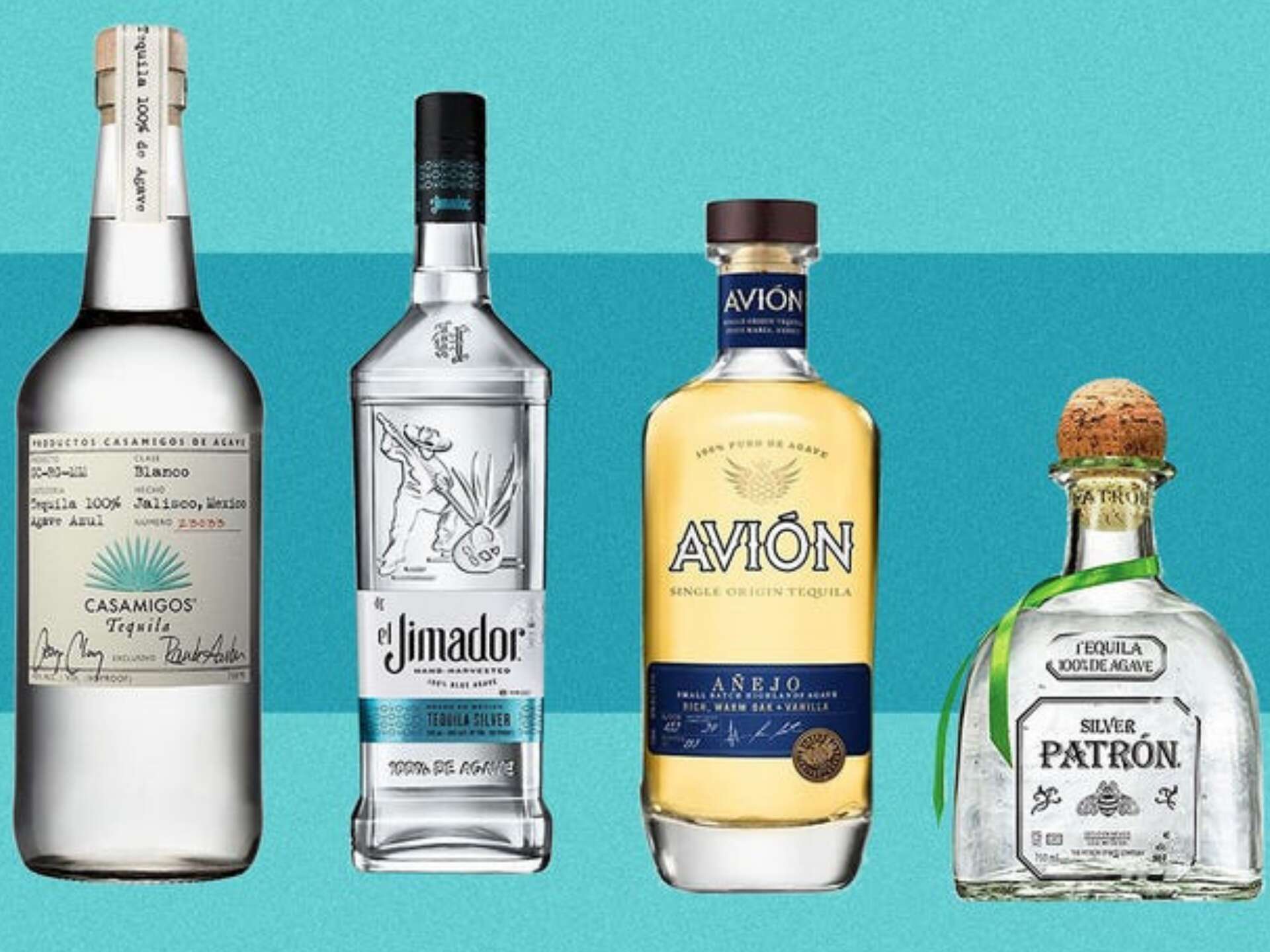
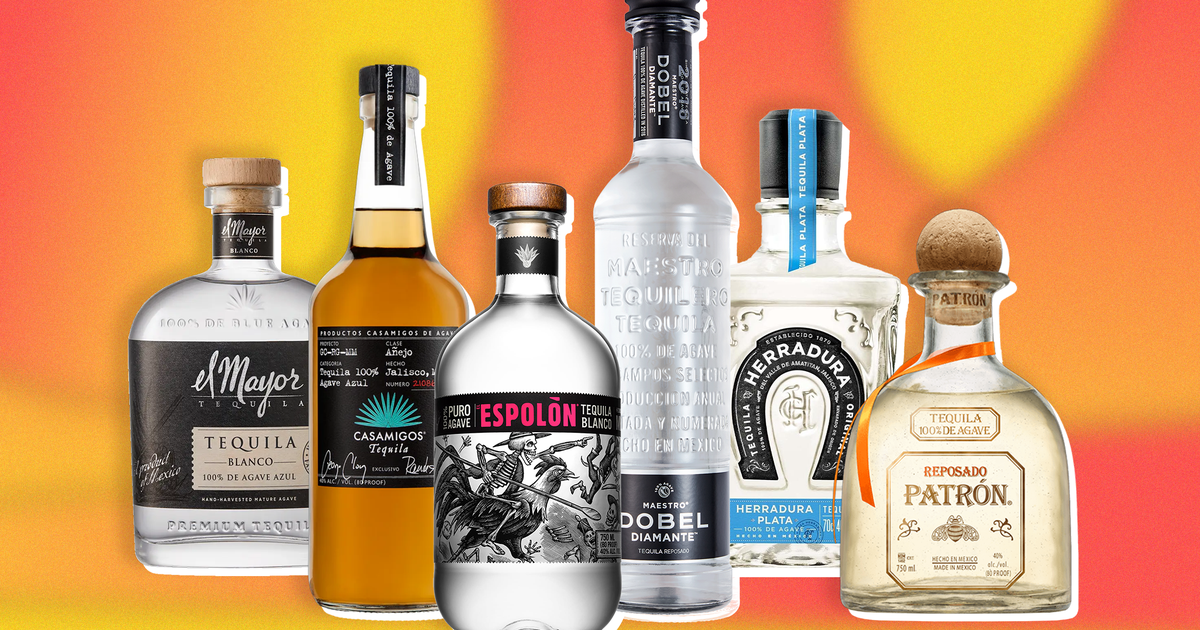
Before you pour a shot or mix a margarita, verify the bottle’s credentials. The difference between a smooth, sippable spirit and a headache-inducing mess often comes down to two specific details on the label.
-
100% Agave: Look for this phrase to ensure no cane sugar or other additives dilute the flavor.
-
NOM Code: A four-digit number identifying the distillery; it guarantees the spirit was produced in a regulated facility.
-
Distillation Count: Double-distilled tequila is smoother and cleaner; triple-distillation removes more character for neutral spirits.
Skip bottles that list just "Tequila" without the "100%" designation. Those often contain up to 49% other sugars, resulting in a harsh burn and flat, artificial notes. The NOM code also helps you trace the spirit’s origin, ensuring it meets Mexican regulatory standards for purity and production methods.
Common tequila: what to check next
Tequila is often misunderstood as a simple party spirit, but treating it with the same respect as a fine whiskey or cognac reveals its true character. Whether you are exploring the crisp agave notes of a blanco or the warm oak of a reposado, understanding storage and serving basics ensures every sip delivers the intended flavor profile.
Can you drink tequila neat?
Absolutely. Drinking tequila neat allows you to fully appreciate the raw agave flavor, which is the defining characteristic of the spirit. High-quality 100% blue Weber agave tequilas, particularly those from established brands like Altos or Don Ramon, offer complex profiles ranging from herbal and citrusy to peppery and earthy. To experience this, pour a small amount into a glass with no ice and let it warm slightly in your hand. This releases the volatile aromatics, highlighting the natural sweetness of the cooked agave without the distraction of mixers.
How long does opened tequila last?
Unlike wine, tequila does not continue to age in the bottle, so its quality remains stable as long as it is stored correctly. An opened bottle will maintain its flavor profile for 1 to 2 years, provided the seal is tight and the spirit is kept away from direct sunlight and extreme temperature fluctuations. Heat and light can degrade the delicate aromatic compounds, leading to a flat or oxidized taste. For the best experience, store your tequila upright in a cool, dark cabinet. While it won’t spoil like milk, the nuanced flavors that define brands like Sauza will fade over time if exposed to harsh conditions.
What is the difference between blanco and reposado?
The primary difference lies in the aging process, which directly impacts the color and taste. Blanco tequila is bottled immediately after distillation or rested for less than two months in stainless steel or neutral oak. It delivers a sharp, vibrant taste of fresh agave, often with notes of citrus and black pepper. Reposado, meaning "rested," is aged in oak barrels for a minimum of two months but less than a year. This time in wood softens the spirit, adding hints of vanilla, caramel, and oak while mellowing the agave’s sharp edges. Choosing between the two depends on whether you prefer the bright, pure taste of blanco or the smoother, layered complexity of reposado.
No comments yet. Be the first to share your thoughts!