

What is tequila made from
Tequila is a protected designation of origin spirit, meaning it can only be produced in specific regions of Mexico, primarily Jalisco and parts of four other states. Unlike mezcal, which can be made from over 30 types of agave, authentic tequila must be made exclusively from Blue Weber Agave. This strict requirement is what gives tequila its distinct, cleaner, and sweeter profile compared to the broader, often smokier range of mezcal.
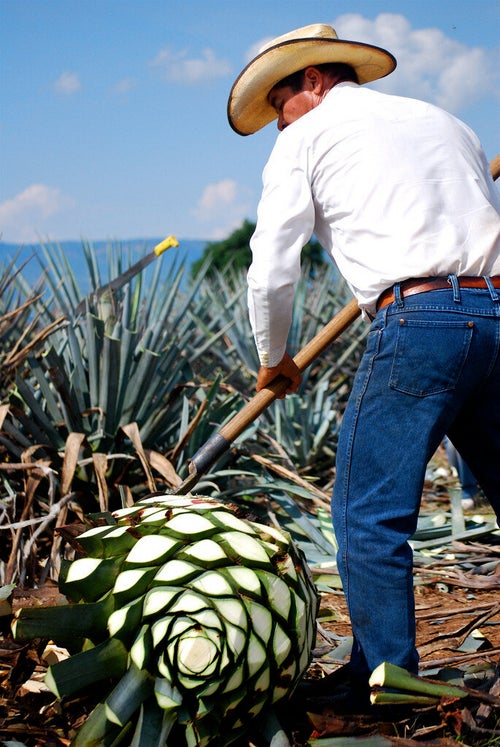
The process begins with harvesting the mature agave plant, known as a piña, which resembles a large pineapple. The leaves are removed, leaving the core, which is then cooked to convert its complex starches into fermentable sugars. This step is critical; it defines the sugar base that eventually becomes the spirit. Whether the agave is roasted in traditional brick ovens or autoclaves, the goal remains the same: to extract the pure, unadulterated flavor of the plant.
Without this specific botanical, the bottle cannot legally be labeled as tequila. This foundational rule ensures a consistent quality marker across brands like Altos, Sauza, and Don Ramon.
Difference between mezcal and tequila
Tequila and mezcal often get grouped together, but they are distinct spirits with different rules and flavors. Think of tequila as a specific type of mezcal, much like how Champagne is a specific type of sparkling wine. If it’s labeled tequila, it must follow strict geographic and production standards. Mezcal has broader rules, allowing for a wider variety of agave plants and traditional methods.
The most significant difference lies in the agave variety. Tequila can only be made from the blue Weber agave plant. This specific plant gives tequila its characteristic sweet, earthy, and citrus-forward notes. Mezcal, on the other hand, can be made from over 30 different types of agave, including the Espadín, Tobalá, and Tepeztate. This variety introduces a much wider range of flavors, from fruity and floral to deeply smoky.
The cooking process also sets them apart. Tequila agave hearts, called piñas, are typically steamed in industrial ovens or autoclaves. This method cooks the agave evenly and preserves its natural sugars without adding smoke. Mezcal piñas are roasted in earth pits lined with hot stones and covered with maguey fibers. This slow-roasting process caramelizes the agave and infuses it with the signature smoky flavor that defines most mezcals.
| Feature | Tequila | Mezcal |
|---|---|---|
| Primary Agave | Blue Weber | 30+ varieties (e.g., Espadín, Tobalá) |
| Cooking Method | Steam ovens or autoclaves | Earth pit roasting with hot stones |
| Flavor Profile | Sweet, earthy, citrus, peppery | Smoky, herbal, fruity, complex |
| Geographic Origin | Designated regions (mainly Jalisco) | Designated regions (mainly Oaxaca) |
| Production Style | Often industrial, consistent | Often artisanal, variable |
Best tequila brands overview
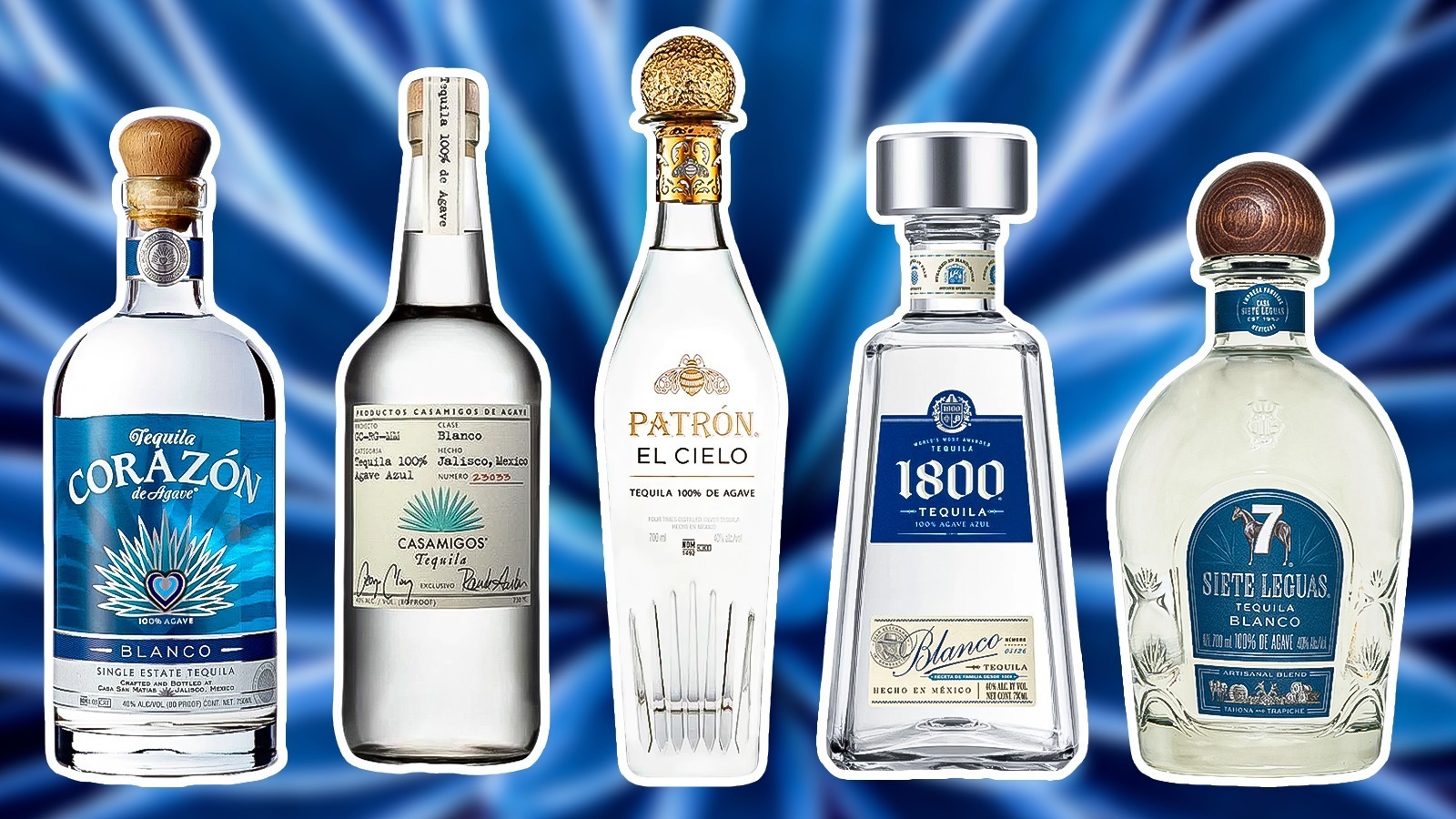
Navigating the tequila aisle can feel like decoding a menu written in a foreign language, but focusing on the market leaders simplifies the process. The brands that consistently rank at the top share a commitment to transparency, whether they are family-owned distilleries or global giants with strict quality controls. We are looking at the specific names that define the category: Altos, Sauza, and Don Ramon.
Altos stands out for its dedication to 100% blue Weber agave sourced exclusively from the highlands of Jalisco. The brand is known for a crisp, clean profile that highlights the natural sweetness of the agave without the interference of additives. Their blanco is particularly noted for its bright citrus notes and peppery finish, making it a versatile choice for both sipping and mixing in classic margaritas.
Sauza represents the accessible, entry-level segment of the market with remarkable consistency. As one of the oldest tequila brands in Mexico, Sauza produces a smooth, approachable spirit that appeals to newcomers. Their Hornitos line, often grouped with Sauza in retail displays, offers a slightly more complex profile with notes of cooked agave and vanilla, bridging the gap between budget-friendly options and premium sipping tequilas.
Don Ramon occupies a unique space as a brand that emphasizes traditional methods while maintaining affordability. Produced by the Sauza family, Don Ramon tequilas are often praised for their robust agave flavor and smooth texture. The Reposado variant, aged in oak barrels, brings out deeper flavors of caramel and oak, providing a rich experience that rivals more expensive bottles in blind tastings.
When selecting a bottle, look for the "100% de Agave" label on the neck. This ensures the spirit is made entirely from blue Weber agave, avoiding the harshness of mixtos that include other sugars. These three brands offer a reliable starting point for understanding the spectrum of quality available in the tequila market.
How to drink tequila properly
Drinking tequila is less about the shot glass and more about the spirit itself. While mixing it into margaritas or palomas is perfectly valid for casual enjoyment, tasting it neat allows you to experience the craftsmanship behind these premium selections. Whether you are pouring a high-proof sipper or a smooth reposado, the goal is to appreciate the agave character without the burn of poor quality or improper technique.
Think of tasting tequila like wine, but with a warmer, earthier profile. You do not need expensive crystal glasses, but the vessel matters. A standard snifter, a copita, or even a clean, narrow wine glass works best. The shape concentrates the aromas, allowing you to smell the citrus, herbal, and woody notes before they hit your palate. Avoid wide-mouthed tumblers, which let the alcohol evaporate too quickly and overwhelm your senses.
Temperature plays a surprising role in how tequila tastes. While many people prefer spirits at room temperature, tequila actually performs best slightly chilled. Keeping a bottle in the freezer or serving it over a single large ice cube can mute the harsher alcohol notes, revealing the smoother, sweeter agave flavors underneath. This is especially true for blanco and reposado tequilas, which benefit from a cooler temperature to balance their brightness.
To get the most out of your bottle, follow this structured tasting guide. It breaks down the ritual into simple, repeatable steps that help you identify what you like, whether that is a crisp blanco or a complex extra añejo.
Once you have mastered the basic tasting ritual, you can experiment with different serving styles. High-proof tequilas, such as those from Siembra Valles or Lost Lore, are designed to be sipped slowly. They offer a complex, intense experience that rewards patience. For everyday drinking, a well-made margarita or a simple tequila and soda with lime can be just as satisfying, provided you start with a good base spirit.
The key is to move away from the idea that tequila is a party drink and treat it as a beverage worth savoring. By paying attention to the glass, the temperature, and the aroma, you will find that even affordable brands offer surprising depth when drunk properly. Start with a clean palate, use the right glass, and let the agave speak for itself.
Checklist for choosing your bottle
Before you commit to a purchase, treat the label like a map. It tells you exactly what’s inside the bottle without needing a degree in chemistry. Start by looking for the words "100% Agave" or "100% Blue Weber Agave." This is the single most important marker of quality. If those words are missing, the bottle is a "mixto," meaning it contains at least 51% agave sugar with the rest filled in by other sugars or alcohol. Mixtos are often smoother going down but lack the complex, earthy character that defines true tequila.
Next, scan for the NOM number. NOM stands for Norma Oficial Mexicana, and this four-digit code identifies the specific distillery where the tequila was produced. Every legitimate bottle must have one. If it’s absent, the product is likely counterfeit or illegally imported. You can also use this number to verify the brand’s origin if you are curious about the distillery’s reputation.
Finally, check the age statement. The label should clearly state whether the tequila is Blanco (unaged or aged less than two months), Reposado (rested two months to a year), or Añejo (aged one to three years). Avoid bottles that are vague about their aging process or use terms like "Gold" or "Triple Sec" without a clear age designation, as these are often mixtos colored with caramel.
-
100% Blue Weber AgaveEnsures the spirit is made entirely from agave, not blended with other sugars.
-
NOM Number PresentA four-digit code identifying the official distillery; required for all authentic bottles.
-
No 'Mixto' LabelAvoid bottles that do not specify '100% Agave' or explicitly mention mixto ingredients.
-
Clear Age DesignationLook for Blanco, Reposado, or Añejo to understand the aging and flavor profile.
No comments yet. Be the first to share your thoughts!