

Make the recipe
A classic tequila cocktail doesn't need fancy garnishes or obscure ingredients; it relies on the balance between the spirit's agave character and fresh citrus. The following recipe uses a high-quality blanco tequila to let the plant's natural notes shine through, paired with lime for brightness and a touch of sweetness to round out the sharp edges. This approach works with top-tier brands like Altos or Sauza, ensuring the drink tastes clean and crisp every time.
To build this drink effectively, start by chilling your glassware. A chilled glass keeps the drink cold longer without diluting it with too much melting ice. While you wait for the glass to cool, measure your ingredients precisely. Consistency is what separates a home mix from a bar-quality pour.
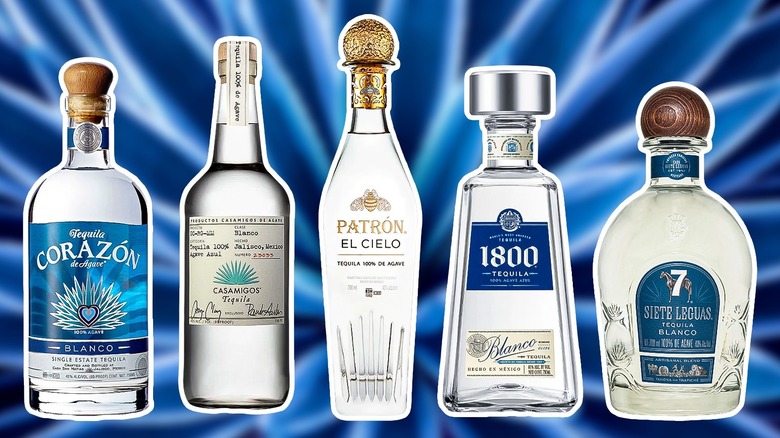
The key to this drink is the freshness of the lime juice. Bottled juice often has a flat, metallic aftertaste that clashes with the agave. Squeeze the lime yourself just before mixing. If you prefer a slightly sweeter profile, increase the agave nectar by a quarter ounce. For a more complex flavor, try using a reposado tequila instead of blanco; the oak aging adds vanilla notes that pair well with the citrus.
If the drink feels too strong, add a splash more club soda. If it tastes too sharp, add a few drops of simple syrup. Always taste as you go. The goal is a balanced sip where the tequila is recognizable but not overpowering. This recipe serves as a reliable baseline for enjoying the best tequila brands you’ve selected.
Keep the texture right
The difference between a tequila cocktail that feels polished and one that feels watery or cloying comes down to how you balance the spirit’s natural intensity with ice, acid, and dilution. Tequila, especially 100% agave varieties, carries robust earthy and peppery notes that can easily overpower delicate mixers if not handled with precision. The goal is to highlight the agave character without letting the drink turn dry, bland, or uneven.
Start with your ice. This is the most common mistake home bartenders make. Using small, crushed, or old ice leads to rapid, uneven dilution, watering down the spirit before it has a chance to integrate with the other ingredients. Instead, use large, dense cubes or spheres. They melt slower, providing the necessary dilution to open up the aromas without flooding the glass. If you are shaking, ensure your ice is fresh and dry; wet ice clumps together and fails to chill the liquid efficiently.
Next, watch your acid balance. Tequila has a natural sweetness and heat. Too little lime or lemon juice leaves the drink flat and one-dimensional. Too much makes it sharp and astringent. The rule of thumb is a 2:1 ratio of spirit to citrus for highballs, or 1:1 for shaken sour-style drinks. Always use fresh-squeezed juice. Bottled juice contains preservatives that mute the bright acidity needed to cut through the agave’s richness, resulting in a dull, syrupy mouthfeel.
Finally, consider the sugar. Agave nectar is the traditional sweetener, but it is thicker and more viscous than simple syrup. If you substitute it directly without adjusting your technique, the drink can become gluey. Dissolve agave nectar in a little warm water first, or use a 1:1 simple syrup for a cleaner finish. Stir or shake vigorously enough to emulsify the sugar and citrus, creating a slight froth that indicates proper integration. This texture is what separates a home-made mix from a professional pour.
Swaps that still work
You don't need a full bar to make a proper drink. The goal of a swap is to maintain the tequila's character while using what you have on hand. Here is how to substitute common ingredients without ruining the balance.
| Original | Substitute |
|---|---|
| Agave Nectar | Simple Syrup |
| Lime Juice | Lemon Juice |
| Tajín | Chili Powder + Salt |
| Mezcal | Smoked Paprika |
When swapping sweeteners, remember that agave nectar is thicker than simple syrup. If you use simple syrup, stir a little longer to ensure it dissolves into the cold tequila. For acidity, lemon is more volatile than lime. Start with less, taste, and adjust to keep the drink from becoming sour.
If you are looking for smokiness and only have mezcal, be careful. Mezcal is significantly stronger in flavor. A dash of smoked paprika works better as a garnish than a direct liquid swap, preserving the tequila's agave profile.
Serve and store it
Tequila is surprisingly stable, but it degrades faster than wine once the seal is broken. Treat an open bottle like a pantry staple rather than a vintage wine. Keep it in a cool, dark cupboard away from direct sunlight and heat sources. The alcohol content acts as a preservative, so oxidation is slow, but light and heat will flatten the agave notes within weeks.
For the best flavor, serve blanco and reposado tequila neat or on the rocks at room temperature. This allows the volatile aromatic compounds to reach your nose. If you prefer it chilled, keep the bottle in the freezer. The high alcohol content prevents it from freezing solid, creating a silky, viscous texture that masks minor imperfections in lower-quality spirits. Avoid warming it in your hands; the heat can make the alcohol taste harsh rather than aromatic.
Store your tequila upright to prevent the alcohol from corroding the cork or seal over time. Unlike wine, there is no need to lay bottles down. If you are mixing cocktails, keep your primary bottle accessible but out of sight. For long-term storage of unopened bottles, a dark closet is ideal. Once opened, aim to finish the bottle within six months to a year for peak freshness, though it will remain safe to drink indefinitely.
How to drink tequila like a pro
The "lick, shot, bite" method is largely a myth popularized by marketing campaigns. It works for cheap mixto tequilas designed to be masked by salt and citrus, but it ruins the experience of 100% agave spirits. Instead, sip it slowly like whiskey or brandy. Take small sips to let the liquid coat your palate, noting the transition from the initial agave sweetness to the final, peppery finish.
If you are serving guests who are new to tequila, offer a glass of water and a slice of orange on the side. Let them choose whether they want to enhance the flavor with citrus or drink it pure. This approach respects the craft of the distiller and encourages a more nuanced appreciation of the spirit's complexity. Avoid using lime wedges with premium añejo or extra añejo varieties, as the acidity will overpower the subtle oak and vanilla notes developed during aging.
Tequila brands: what to check next
Choosing the right bottle often comes down to balancing flavor profile with budget. While rankings vary by palate, certain brands consistently appear at the top of tastings for their quality and availability.
When selecting a brand, check the label for "100% de Agave." This ensures no added sugars or neutral spirits, which can cause harsher hangovers and less complex flavor. Avoid "mixto" tequilas if you plan to sip it neat.
No comments yet. Be the first to share your thoughts!