
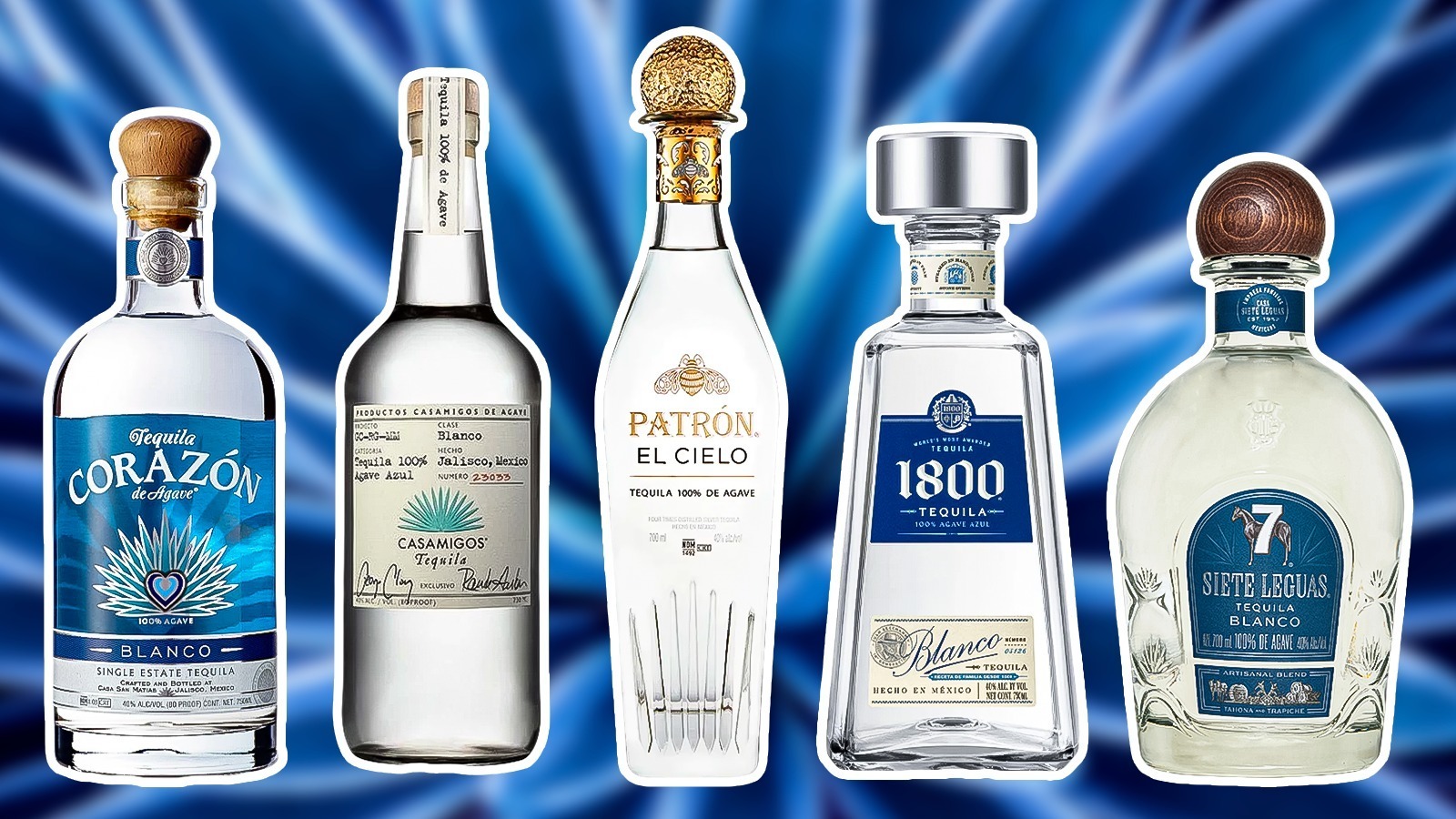

Finding the Right Tequila for Your Budget
Price is the first filter when buying tequila, but it doesn't always tell the whole story. A bottle's cost reflects the age of the agave, the distillation method, and whether it was made in a traditional palenque or a modern industrial facility. Understanding these tradeoffs helps you avoid overpaying for mass-produced spirits while still finding quality options for everyday mixing.
The Under $25 Sweet Spot
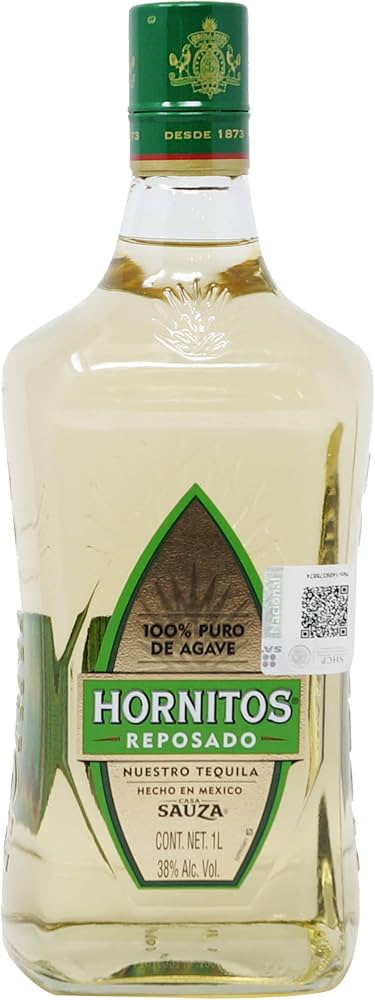
Brands like Altos, Sauza, and Don Julio (the standard line) often sit in this range. You are paying for consistency rather than complexity. These are reliable mixers for margaritas or palomas. Look for 100% agave on the label to avoid the harshness of mixto tequilas. While they lack the nuance of aged varieties, they offer a clean, predictable kick without breaking the bank.
The $25–$40 Mid-Range
This is where you start seeing reposado and añejo expressions from established brands. The aging process in oak barrels adds vanilla and caramel notes, smoothing out the sharp agave bite. Brands like Casamigos or Patrón often fall here. The price jump covers the barrel time and marketing, but the improvement in sipping quality is noticeable. It’s a good tier for casual sipping or special cocktails where you want the tequila to shine.
Over $40: Craft and Premium
At this price point, you are paying for small-batch production, heirloom agave varieties, or extended aging. Artisanal brands like Del Maguey or Ocho offer distinct terroir notes that mass-market brands can't replicate. These are sipping tequilas. The cost reflects the labor-intensive process and limited availability. If you enjoy exploring flavor profiles, this is where the real value lies, but for mixing, the premium is often unnecessary.
Shortlist real options
Use this section to make the ’s Best Tequila Brands Ranked decision easier to compare in real life, not just on paper. Start with the reader's actual constraint, then separate must-have requirements from details that are merely nice to have. A practical choice should survive normal use, maintenance, timing, and budget. If a recommendation only works in an ideal situation, call that out plainly and give the reader a fallback path.
| Factor | What to check | Why it matters |
|---|---|---|
| Fit | Match the option to the primary use case. | A good deal still fails if it does not fit the job. |
| Condition | Verify age, wear, and service history. | Hidden condition issues erase upfront savings. |
| Cost | Compare purchase price with likely upkeep. | The cheapest option is not always the lowest-cost option. |
Inspect the expensive parts
Use this section to make the ’s Best Tequila Brands Ranked decision easier to compare in real life, not just on paper. Start with the reader's actual constraint, then separate must-have requirements from details that are merely nice to have. A practical choice should survive normal use, maintenance, timing, and budget. If a recommendation only works in an ideal situation, call that out plainly and give the reader a fallback path.
-
Verify the basicsConfirm the core specs, condition, and fit before comparing extras.
-
Price the downsideLook for the repair, maintenance, or replacement cost that would change the decision.
-
Compare alternativesCheck at least two comparable options before treating one listing as the benchmark.
Plan for ownership costs
The price on the shelf is just the entry fee. Real ownership costs for tequila come from how you store it, how you replace bottles, and the hidden expenses of maintaining quality. A bottle of Altos or Sauza might cost $25, but if you treat it like wine and keep it open for months, you are paying for oxidation. Tequila does not improve with age in the bottle. Once opened, the clock starts ticking on flavor degradation, turning a cheap buy into a wasted investment.
Storage is the first hidden cost. Tequila needs a cool, dark place, away from direct sunlight and temperature swings. If you keep your bottle on a bar near a window or above a fridge compressor, the liquid heats up and expands, forcing air into the seal. This accelerates evaporation and flattens the agave notes. A simple cork or screw cap is fine, but a vacuum seal or inert gas spray can extend the life of an open bottle by a few months. These accessories cost a fraction of a bottle, but they protect your investment.
Replacement frequency is the second cost. Opened tequila begins to lose its volatile aromatic compounds within three to six months. For a casual drinker, a 750ml bottle might last two years, but the last third will taste dull. For a host or enthusiast, a bottle may vanish in three months. The cost per ounce rises sharply when you discard a bottle that has turned slightly sour or watery. Budget for replacing open bottles every six months if you want consistent quality, or buy smaller 375ml bottles to ensure you finish them while fresh.
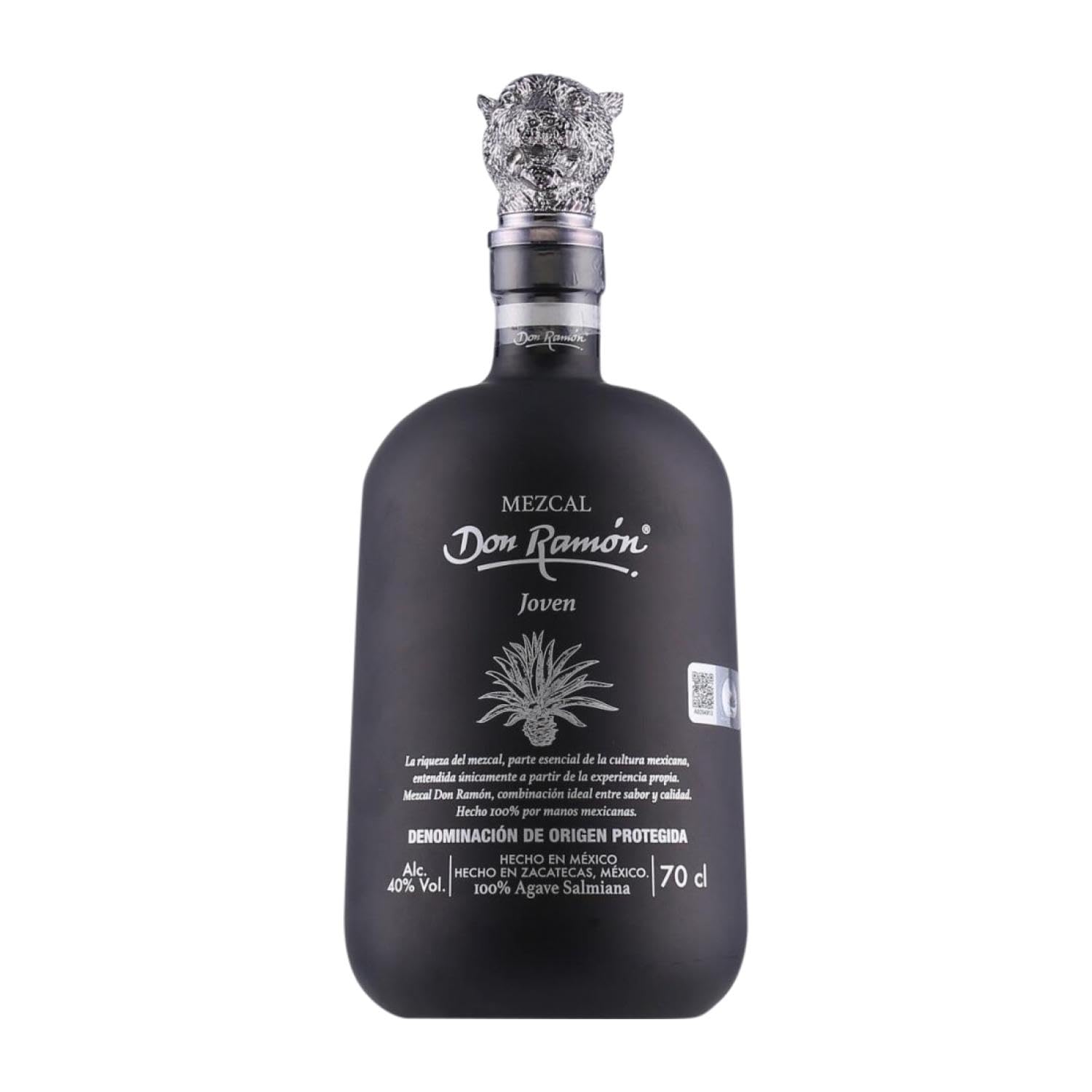
When a cheap buy stops being cheap is a matter of volume and usage. If you drink once a week, a premium bottle like Don Ramon offers better value per sip because the complexity stands up to dilution and time. A lower-tier brand might require more ice or mixers to mask imperfections, increasing your consumption of other ingredients. The true cost is the total experience: the bottle, the mixer, the glassware, and the time spent enjoying it. Choose a brand that delivers satisfaction in the first sip, not one that requires patience to appreciate.
![Organic Agave Nectar for Cocktails – 100% Blue Agave, Low Calorie, Vegan, Gluten-Free, Non-GMO – 750mL (2 Pack) USDA Organic [Amazon-developed Certification] Compact by Design](https://m.media-amazon.com/images/I/81gftprfF4L._AC_UL960_QL65_.jpg)
As an Amazon Associate, we may earn from qualifying purchases.
Tequila brands: what to check next
Choosing the right bottle often comes down to specific preferences in flavor profile and price point. Below are direct answers to the most common questions about tequila brands, based on our rankings and industry standards.
No comments yet. Be the first to share your thoughts!