

How to read tequila labels
Reading a tequila label is the difference between a smooth sip and a headache. The most critical detail is the percentage of agave. You will see two main categories: 100% de Agave and Mixto. The former is made entirely from the blue Weber agave plant, offering the authentic flavor profile of the region. The latter, Mixto, is allowed to contain up to 49% other sugars, such as cane sugar or corn syrup. While Mixto tequilas are often cheaper, they lack the complexity and purity of their 100% agave counterparts.
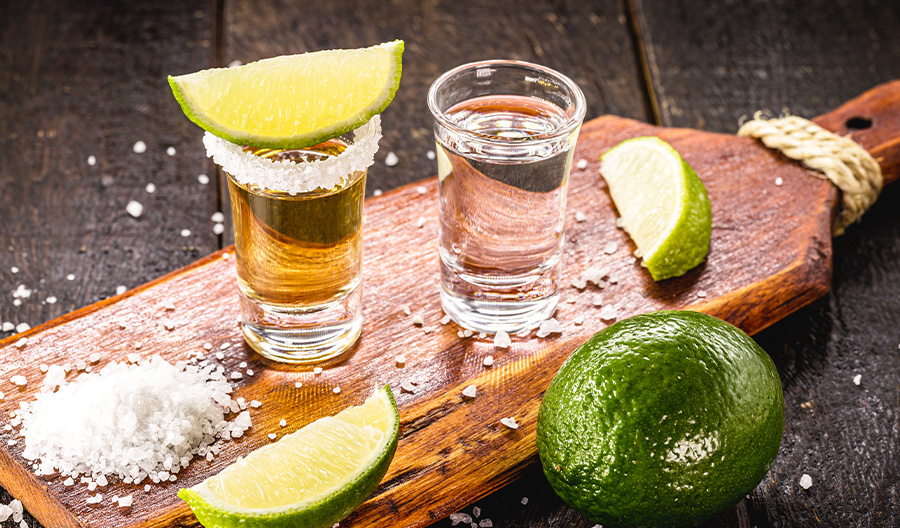
Beyond the agave content, the aging process defines the spirit's character and price. Blanco (or Silver) is unaged or aged for less than two months. It tastes bright and crisp, highlighting the raw agave flavor, making it the ideal choice for cocktails like the Tequila Sunrise. Reposado (Rested) sits in oak barrels for two months to a year, gaining a subtle vanilla and caramel hue. Añejo (Aged) matures for one to three years, resulting in a darker, smoother spirit with notes of chocolate and spice, best enjoyed neat. Extra Añejo is aged for over three years, offering a whiskey-like depth for serious sipping.
Understanding these categories helps you select the right bottle for your needs. For mixing, stick to Blanco or Reposado to ensure the tequila flavor shines through the juice and ice. For sipping, Añejo and Extra Añejo provide a luxurious, slow-drinking experience. When you see "Best Tequila Brands" lists, they often feature top-tier 100% agave expressions in these aged categories, reflecting the premiumization trend in the market.
Best tequila brands for sipping
When moving beyond mixed drinks, the focus shifts to how the agave plant expresses itself through fermentation and aging. Sipping tequila requires a spirit with enough complexity to reward patience, typically found in Reposado, Añejo, or Extra Añejo categories. The following brands represent distinct approaches to craft, ranging from industrial precision to small-batch tradition.
Don Julio remains the benchmark for consistency in the premium sector. Their 1942 Añejo is widely regarded as one of the smoothest top shelf tequilas available, offering a creamy texture and notes of vanilla and caramel that appeal to newcomers and veterans alike. While it commands a high price point, the production process involves extended aging in American white oak barrels, resulting in a spirit that is approachable yet sophisticated. It is the safe, reliable choice for those who prioritize a refined, sweet profile over aggressive agave intensity.
For drinkers seeking a more traditional, earthy character, Fortaleza offers a stark contrast. Produced in small batches using tahona stone wheels rather than modern roller mills, Fortaleza preserves more of the fibrous agave structure. The result is a spirit with a robust, peppery nose and a thick, oily mouthfeel. Fortaleza Añejo is often cited by enthusiasts as a superior sipper for its raw, unfiltered authenticity, appealing to those who view tequila as a agricultural product first and a cocktail ingredient second.
Altos provides a middle ground between the polished finish of Don Julio and the rugged nature of Fortaleza. Their Reposado is aged for eight months, striking a balance where the sharp edges of the blanco are softened by oak without being overwhelmed by it. Altos is known for its clean, crisp profile with distinct citrus and herbal notes, making it an excellent entry point for those exploring aged tequilas without committing to the heavier, sweeter profiles of extra añejos.
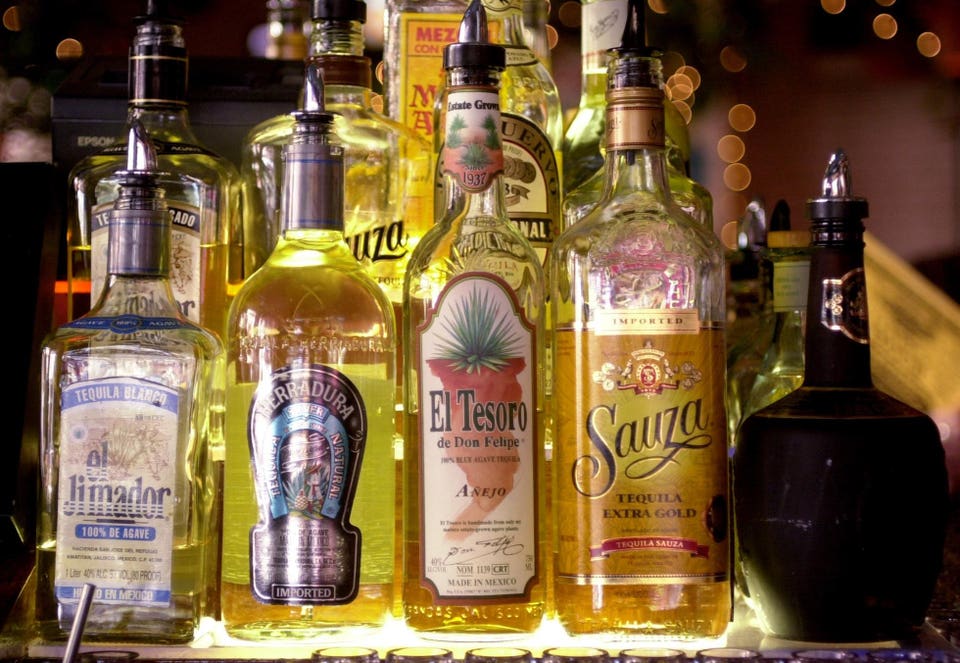
Comparison of premium sipping tequilas
The table below compares the core characteristics of these three brands to help you select the right bottle for your palate.
| Brand | Best Style | Flavor Profile | Price Range |
|---|---|---|---|
| Don Julio | Añejo | Vanilla, caramel, smooth | $60-$100 |
| Fortaleza | Reposado | Earthy, peppery, robust | $40-$60 |
| Altos | Reposado | Crisp, citrus, herbal | $30-$50 |
Best tequila brands for mixing
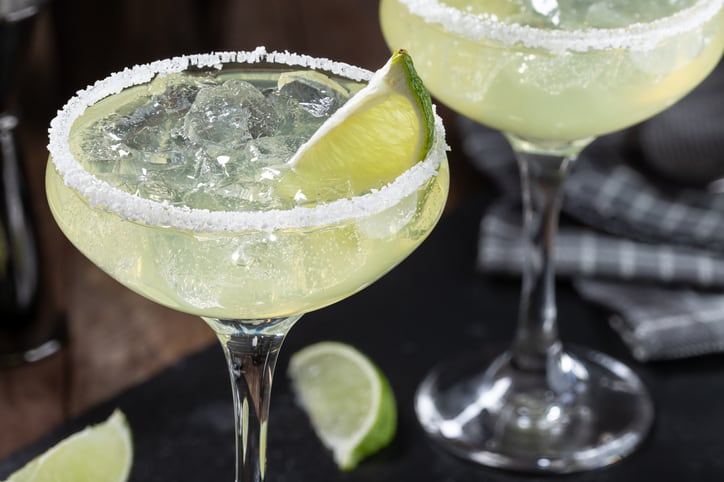
When you are building cocktails, the spirit needs to stand up to citrus, sweeteners, and ice without disappearing. The best tequila brands for mixing are accessible, affordable, and consistent. You do not need to break the bank for a good margarita or paloma. Look for bottles that offer clean agave flavor without harsh alcohol notes.
Sauza is a staple in bars for a reason. It is reliable, widely available, and inexpensive. The Sauza Hornos Gold works well in bright, citrus-forward drinks. It provides enough agave character to taste like tequila, but it is smooth enough that it does not overpower the other ingredients. It is the workhorse of the home bar.
Jose Cuervo is the most recognized name in tequila, and their Gold expression is a mixing favorite. It has a slightly sweeter profile with hints of vanilla and oak, which complements lime juice and triple sec perfectly. While purists might argue it is not the most complex sipping tequila, it delivers consistent results in high-volume cocktails. It is the safe, familiar choice for parties and gatherings.
Don Ramon Reposado offers a step up in quality without a significant jump in price. Aged briefly in oak barrels, it brings a smoother, rounder texture to your drinks. This makes it ideal for cocktails where you want a richer mouthfeel, such as a Michelada or a Tequila Sunrise. The subtle vanilla notes from the barrel aging blend seamlessly with orange juice or tomato-based mixers.
How to drink tequila properly
Stop treating premium tequila like cheap liquor. Shooting a shot of añejo or extra añejo is a waste of the complex flavors developed during months or years of aging. Instead, pour a small measure into a snifter or a wide-rimmed glass. This allows you to swirl the liquid and release the aromas of agave, vanilla, and oak before the first sip.
If you prefer the traditional accompaniment, keep the salt and lime separate from the glass. Dip your pinky finger in salt, lick it off, take a sip, and then bite the lime to cleanse the palate. This method lets you taste the spirit's true character rather than masking it with citrus and sodium.
Mixing is perfectly fine for blanco tequila in cocktails like the margarita or tequila sunrise, but it often overwhelms the subtle notes of aged varieties. Reserve mixing for spirits meant to be bold and bright. For the best tequila brands listed in this guide, start by tasting them neat to understand their quality before deciding how to serve them.
Tequila Sunrise Recipe
The Tequila Sunrise is a deceptively simple cocktail that relies entirely on the quality of its components. Because the recipe uses only three main ingredients, the character of the tequila shines through without being masked by heavy mixers. A high-quality Blanco or Joven tequila provides the necessary agave notes, while fresh-squeezed orange juice adds the bright acidity required to balance the sweetness. The visual appeal of the drink comes from the layering technique, which creates the signature "sunrise" gradient using grenadine.
To ensure you have everything ready before you start mixing, check off these essentials:
The key to a perfect sunrise is patience when adding the grenadine. If you pour it too quickly or stir it in, the drink will turn a uniform pink color and lose its iconic look. The density of the grenadine allows it to sink, creating a beautiful red-to-orange gradient that mimics a sunrise. For the best results, always use fresh orange juice rather than concentrate, as the latter can be too sweet and muddy the agave flavor.
No comments yet. Be the first to share your thoughts!